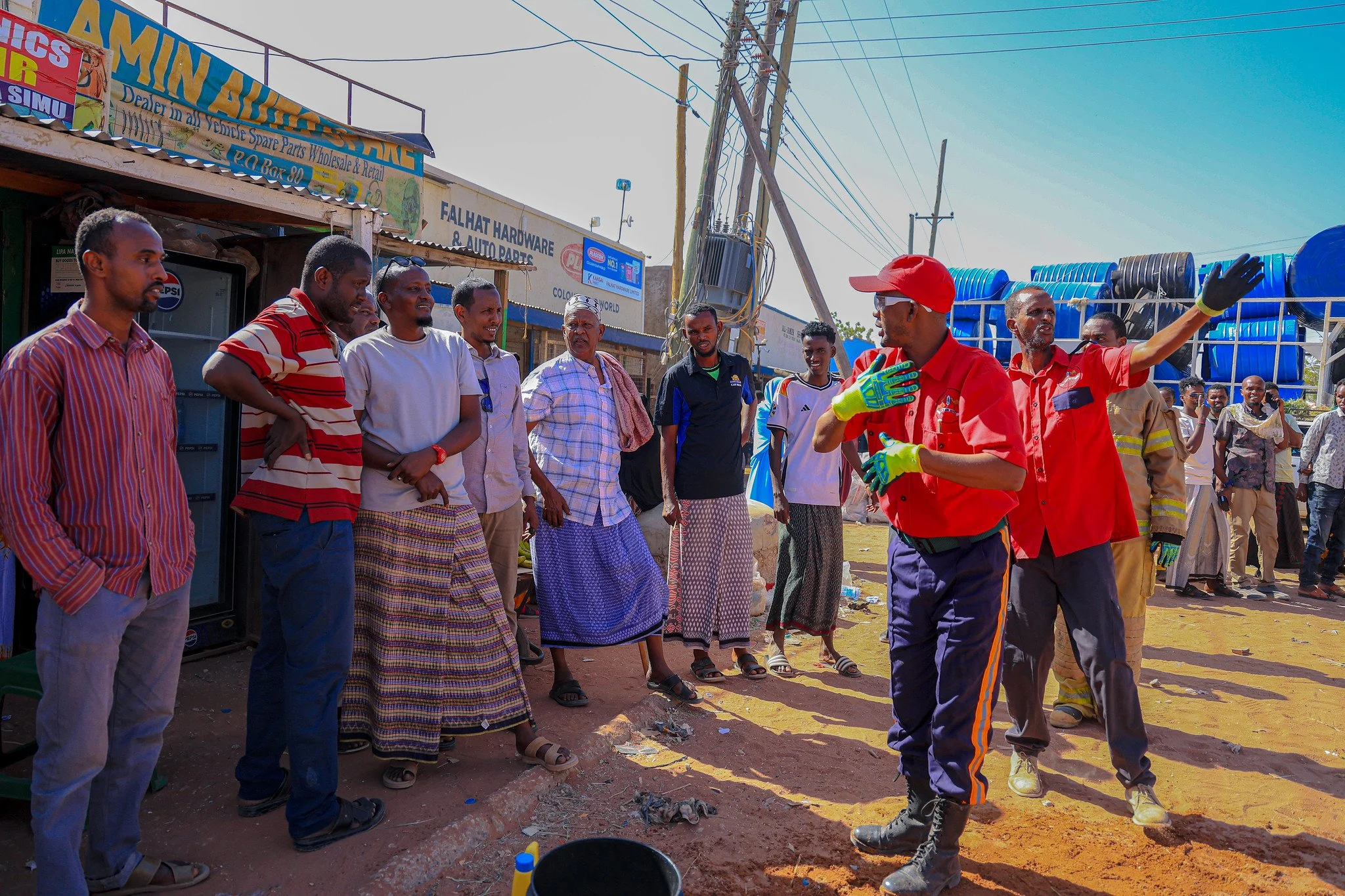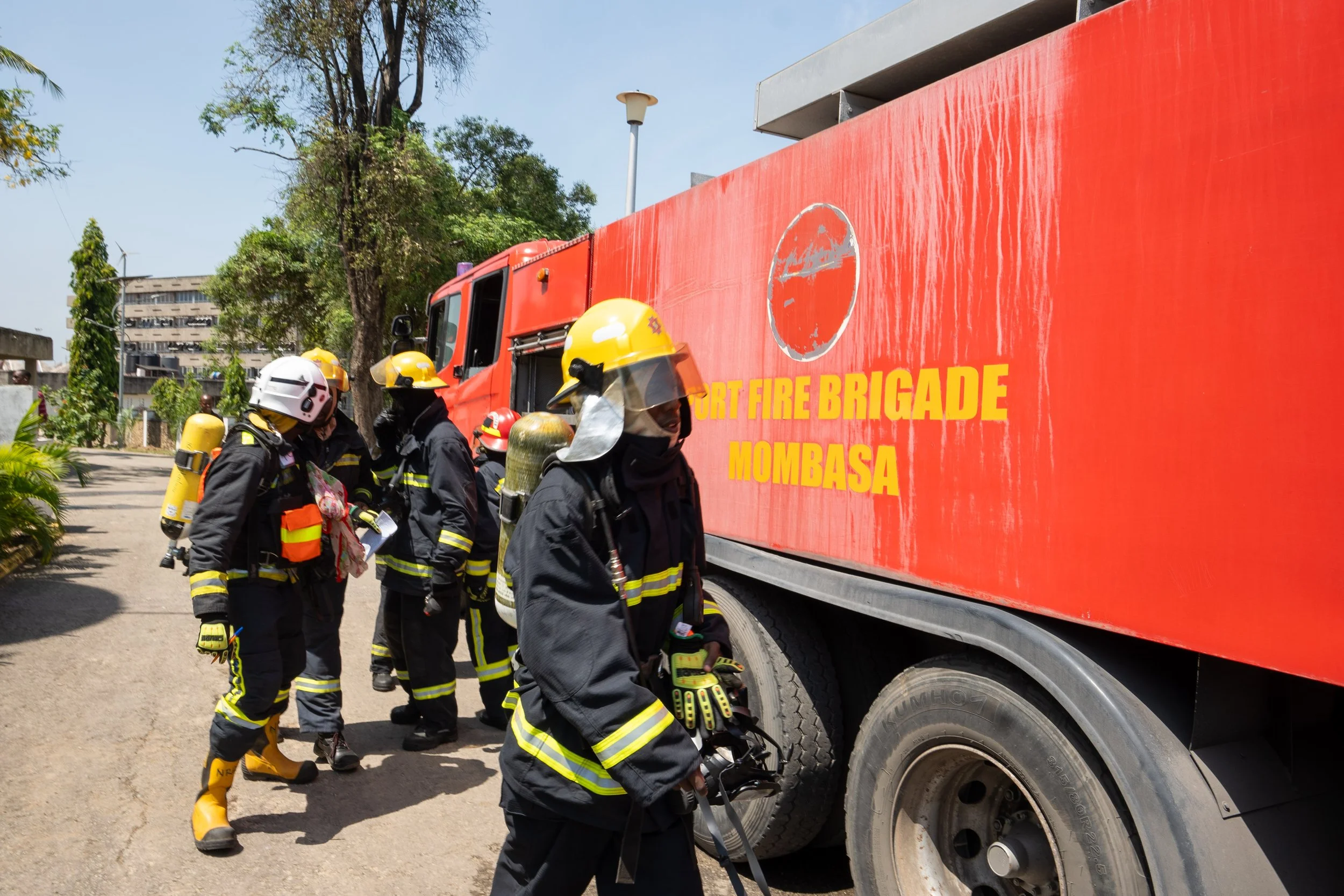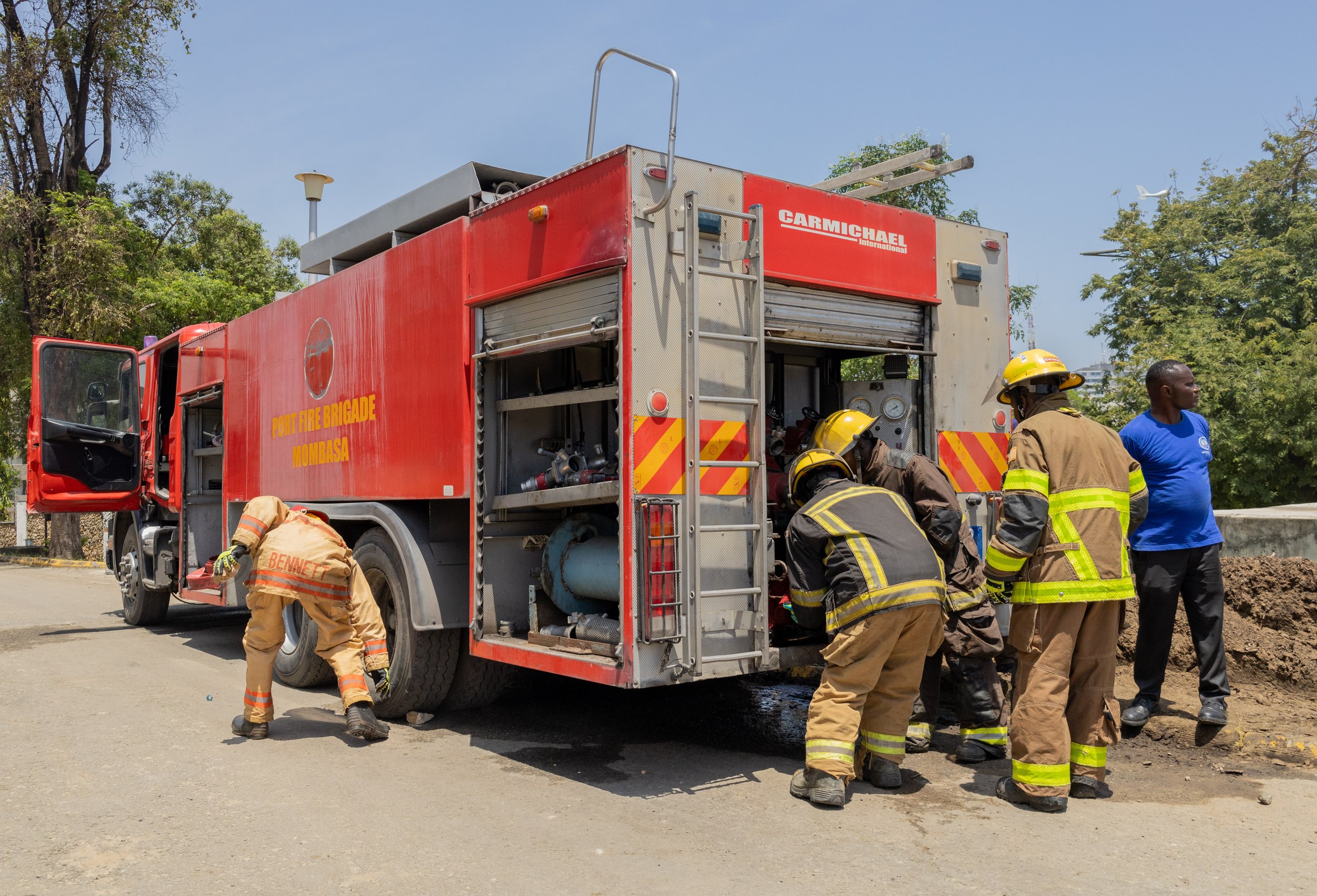
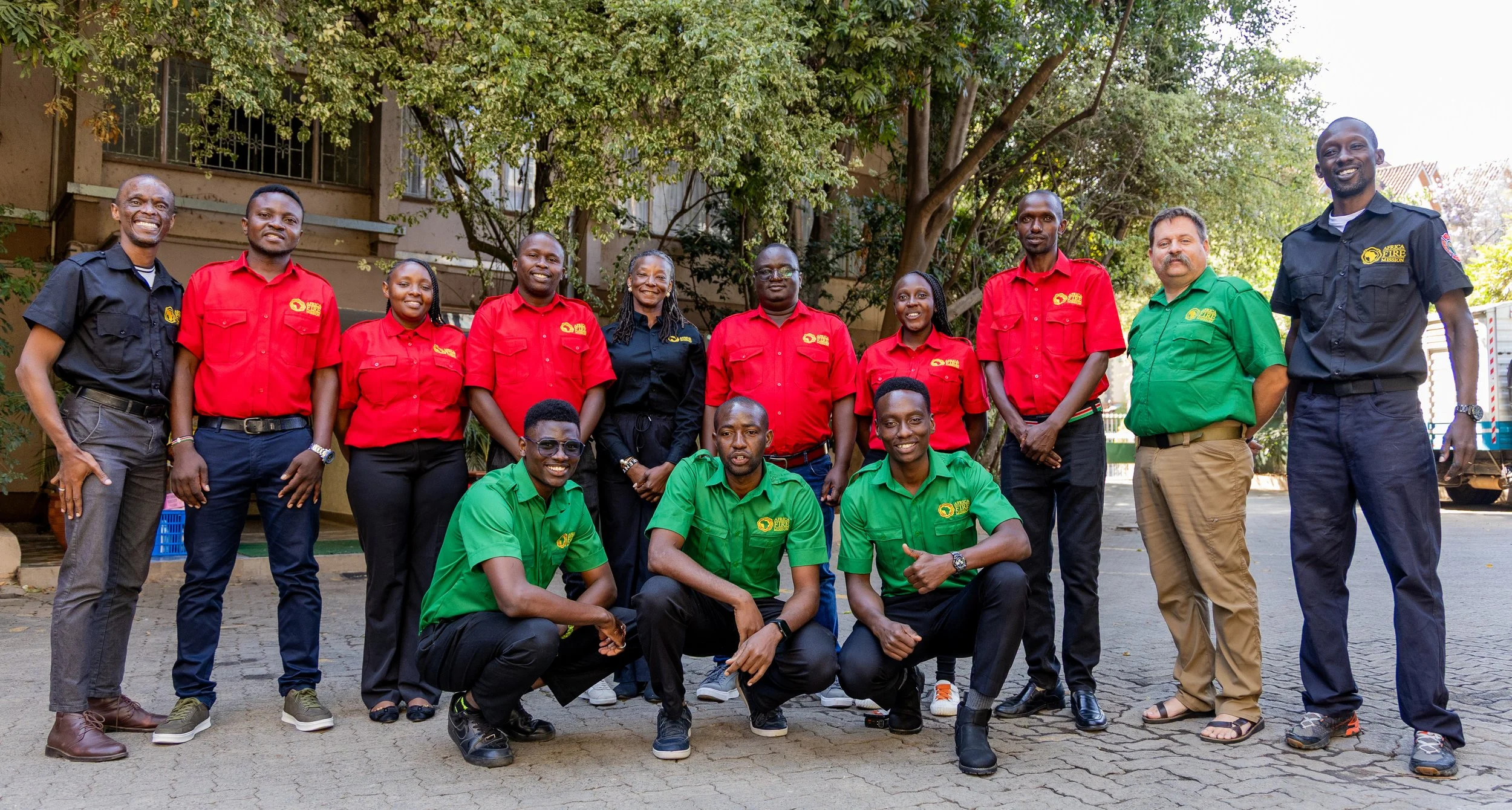
The 2026 internship has concluded, but its story is still being written, through every lesson shared, every drill conducted and every community made safer. Read more about the 2026 Fire Prevention Internship!

Written by Nancy L. Moore, MSW, LISW-S, CPCC
Executive Summary
First responders routinely respond to situations involving trauma, loss, and extreme stress. These experiences accumulate over time and can have profound impacts on physical health, emotional wellbeing, decision-making, and the long-term sustainability of fire brigades. Despite the critical role first responders play in protecting communities, first responder mental health is often overlooked, particularly in low- and middle-income countries.
Across Africa, many fire brigades operate with limited resources and minimal access to formal mental health support systems. First responders frequently experience repeated exposure to traumatic incidents such as fatal fires, road traffic accidents, disasters, and community violence. Without appropriate support structures, these experiences can lead to burnout, substance misuse, depression, family strain, and early departure from the profession.
This white paper outlines the importance of implementing a First Responder System of Care, a structured approach that supports first responder wellbeing before, during, and after traumatic incidents. The system includes prevention strategies, Stress First Aid (also referred to as Psychological First Aid), peer support programs, Critical Incident Stress Management (CISM), access to professional mental health services, and departmental policies that promote resilience.
By implementing a systematic approach to first responder mental health, fire brigades can protect their most valuable resource—their people—while strengthening operational readiness and long-term sustainability.
by retired Deputy Chief Howard Cohen
Ground ladders are one of the most basic and essential tools we use in the fire service. This is why it is important to master ladder skills early in your fire training and to continue practicing them throughout. Ladders are essential for many firefighting situations, including rescues, access to elevated areas, ventilation of structures, and establishing secondary means of egress. They are also often used in non-emergency situations. This is why every firefighter needs to develop a strong foundation in ladder knowledge, safety, and basic operations early in their training.
There are numerous ladder types. There are straight, extension, roof, and folding ladders (see Appendix 2 below for a detailed look at different types). There are ladders made out of aluminum, fiberglass, and wood. It is important that you are very familiar with the ladders your department uses. All ladders have some or all of the following components: beams, rungs, halyard, dogs, or pawls. For definitions of these terms, see Appendix 1. These parts might have different names in your fire district. In addition, it is important to know your ladder lengths. When you need to rescue someone from a second floor or higher, time is critical; you don’t want to pull a ladder that's too short.
It is not enough to know how to use a ladder; you need to know how to use it safely. Ladders are cumbersome, heavy objects to lift, carry, and raise into position. Therefore, to reduce the risk of injury when deploying a ladder, you need to know proper lifting techniques. Make sure you are familiar with basic shoulder carries, suitcase carries, and flat carries. Just as important, you need to be proficient at different types of ladder raises, such as the beam raise, flat raise, and basic extension ladder raise. Follow your department’s SOPs for the preferred ladder carrying and raising methods.
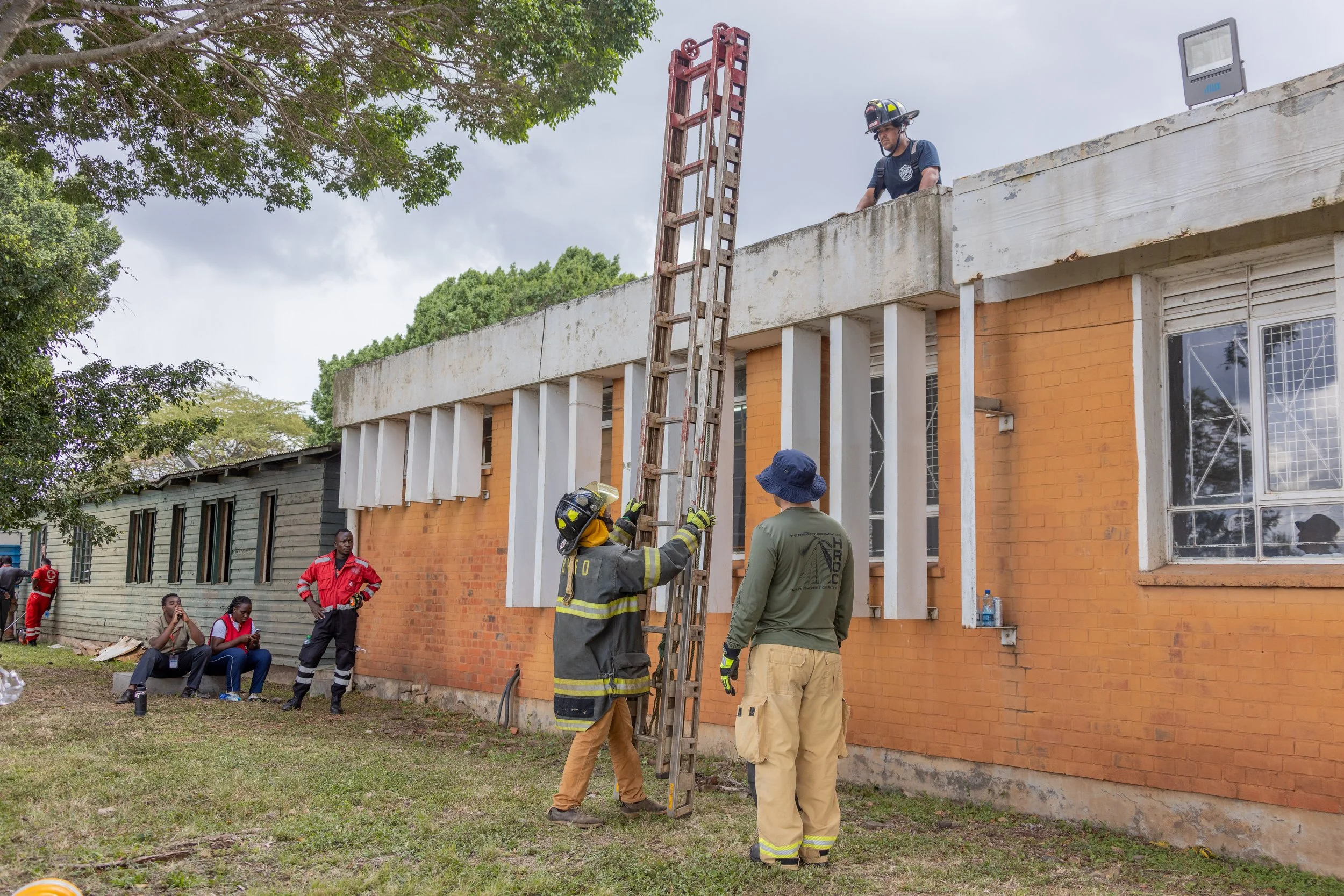
Effective ladder placement will keep you safe while allowing you access to difficult areas.
Another important ladder skill is placement: knowing how and where to place a ladder. Your department should establish SOPs for ladder placement based on the task at hand. For example, ladder placement for rescue purposes might differ from that for accessing the interior of a building. Other concerns with ladder placement include ground conditions, overhead obstructions, electrical hazards, and building stability. Make sure the ground is level and firm enough to support a loaded ladder. A general rule for the proper climbing angle for extension ladders is about 75 degrees. Alternatively, you can use the 4-to-1 rule. Leaning ladders should be placed 1 unit out for every 4 units up. However, ladder positioning may differ for other tasks, such as patient rescue, firefighter quick escape, ventilation, or roof access.
Finally, everyone needs to know how to clean ladders after use, inspect them, and report any damage. Review your department’s SOPs on ladder maintenance. Ladder skills and knowledge are vital to firefighter safety and operational effectiveness. A strong foundation in ladder types, safety, carries, raises, placement, and maintenance prepares you to perform essential tasks confidently and efficiently on the fireground.
Appendix 1: Ladder Parts
1: Beams (Rails)
The long side pieces that run the length of the ladder. They support the load and give the ladder its overall strength. On some ladders, the beams taper toward the tip to reduce weight.
2: Rungs (Steps)
The horizontal steps firefighters climb. They’re spaced evenly and designed with slip-resistant surfaces for boots and wet conditions.
3: Tip (Top)
The very top end of the ladder. It’s shaped to rest against a building or window sill and often includes ladder shoes or caps for grip.
4: Butt (Base)
The bottom end of the ladder that rests on the ground. Proper footing here is critical for ladder stability.
5: Butt Spurs / Ladder Shoes
Metal spikes or rubber pads at the butt that prevent the ladder from slipping. Spurs are used on soft ground; shoes are used on hard surfaces.
6: Halyard (Extension ladders only)
The rope used to raise and lower the fly section of an extension ladder.
7: Fly Section (Extension ladders only)
The movable upper section that extends to reach higher elevations.
8: Locks / Dogs / Pawls (Extension ladders only)
Mechanical hooks that engage the rungs to hold the fly section in place once raised.
9: Guides / Slides
Tracks that allow the fly section to move smoothly along the bed section.
Appendix 2: Types of Ladders
1: Straight Ladder
Single section, fixed length; Used for quick access to windows, roofs, and rescues. Often placed for secondary egress.
2: Extension Ladder
Two or more sections that extend using halyards and pawls. Provides greater reach than straight ladders. Common for upper floors, roofs, and ventilation.
3: Roof Ladder
Straight ladder with folding hooks at the top. Hooks secure over the roof peak. Designed for working on pitched roofs during ventilation.
4: Attic (Folding) Ladder
Short, collapsible ladder. Used in tight spaces like attics, closets, or scuttle holes. Easy to store and deploy indoors.
5: Aerial Ladders
These are permanently mounted on ladder trucks or quints. The ladder that extends hydraulically or mechanically. Provides high-angle access, rescue, and ventilation. Can support firefighters and victims.
6: Aerial Platform (Tower Ladder)
Features a bucket or platform at the tip. Allows safer rescue, master stream operations, and elevated work. Excellent for commercial or high-rise incidents.
Want to learn more about safe and effective ladder usage? Check out a Weekly Virtual Training by instructor and volunteer fire safety advocate Richard Gichina.
by Africa Fire Mission Training Team, Utilizing AI Technology
Firefighters are often the first to respond to life-threatening emergencies, whether it’s a cardiac arrest, choking incident, trauma, or another sudden crisis. In 2025, the American Heart Association (AHA) released its latest comprehensive update to the Cardiopulmonary Resuscitation (CPR) and Emergency Cardiovascular Care (ECC) Guidelines, and these changes matter for every member of the African firefighter community.
In a recent Weekly Virtual Firefighter Training, AFM instructor and EMS expert Eric Saunders focused on translating these guideline updates into practical, lifesaving actions that you can apply in the field. Watch the training for strategies you can apply, wherever you’re training or responding.
Watch this Weekly Virtual Firefighter Training for updates on CPR/BLS Guidelines
What’s New in the 2025 AHA Guidelines
Every five years, the AHA reviews the latest science to update its guidance for CPR and emergency use. One update unifies the chain of survival for adults and children into one streamlined model. Another clearly recommends 5 back blows followed by 5 abdominal thrusts if a conscious adult or child is choking, while rescuers should alternate between 5 back blows and 5 heel of hand chest thrusts for infants. Read more about the updates here.
Why These Updates Matter for Firefighters
Whether you are stationed at an urban firehouse or volunteering in a rural brigade, cardiac emergencies, choking incidents, and sudden collapses are not uncommon. Updated global science means:
· Faster, more effective responses
· Increased survival chances for victims
· More confidence in training and real-world performance
Firefighters are not just fire suppressors, they are lifesavers in every sense. Staying up-to-date with global standards ensures that the care you provide is backed by the best available evidence.
Want to deepen your lifesaving skills and stay current with international resuscitation science? Use these opportunities from AFM to strengthen your skills:
· Join our Weekly Virtual Trainings for African Firefighters
· Subscribe to AFM’s YouTube Channel
· Access our Resources and Training Materials
Stay safe, stay prepared, and keep training!
by James Nyadwe
Shallow water blackouts (SWB) pose a challenging risk to firefighters and first responders in aquatic emergencies. A SWB is a sudden loss of consciousness underwater due to oxygen deprivation, often after hyperventilation or prolonged breath-holding. Hyperventilation lowers carbon dioxide, delaying the urge to breathe and increasing risk. Consider the following risk factors, warning signs, and prevention strategies to ensure a safe response to aquatic emergencies.
Risk Factors
SWBs occur during competitive swimming, underwater training drills, and rescue simulations. Firefighters are at risk during aquatic training, even in shallow pools or tanks. They can happen silently and quickly, with no struggle or warning. Drowning occurs within minutes if not rescued. SWB-related incidents can endanger rescuers who respond unprepared.
Warning Signs
The following warning signs can alert you to a potential SWB:
Unusual breath-holding, like those in a competition
Dizziness or confusion during underwater drills
Sudden stillness underwater
Prevention Strategies
It is possible to prevent SWBs. You should never train or respond alone in water. Avoid hyperventilation before breath-holding, and enforce strict safety protocols during aquatic drills. Educate crews about SWBs and rehearse rescue responses.
Real-World Incident Example: Training Incident
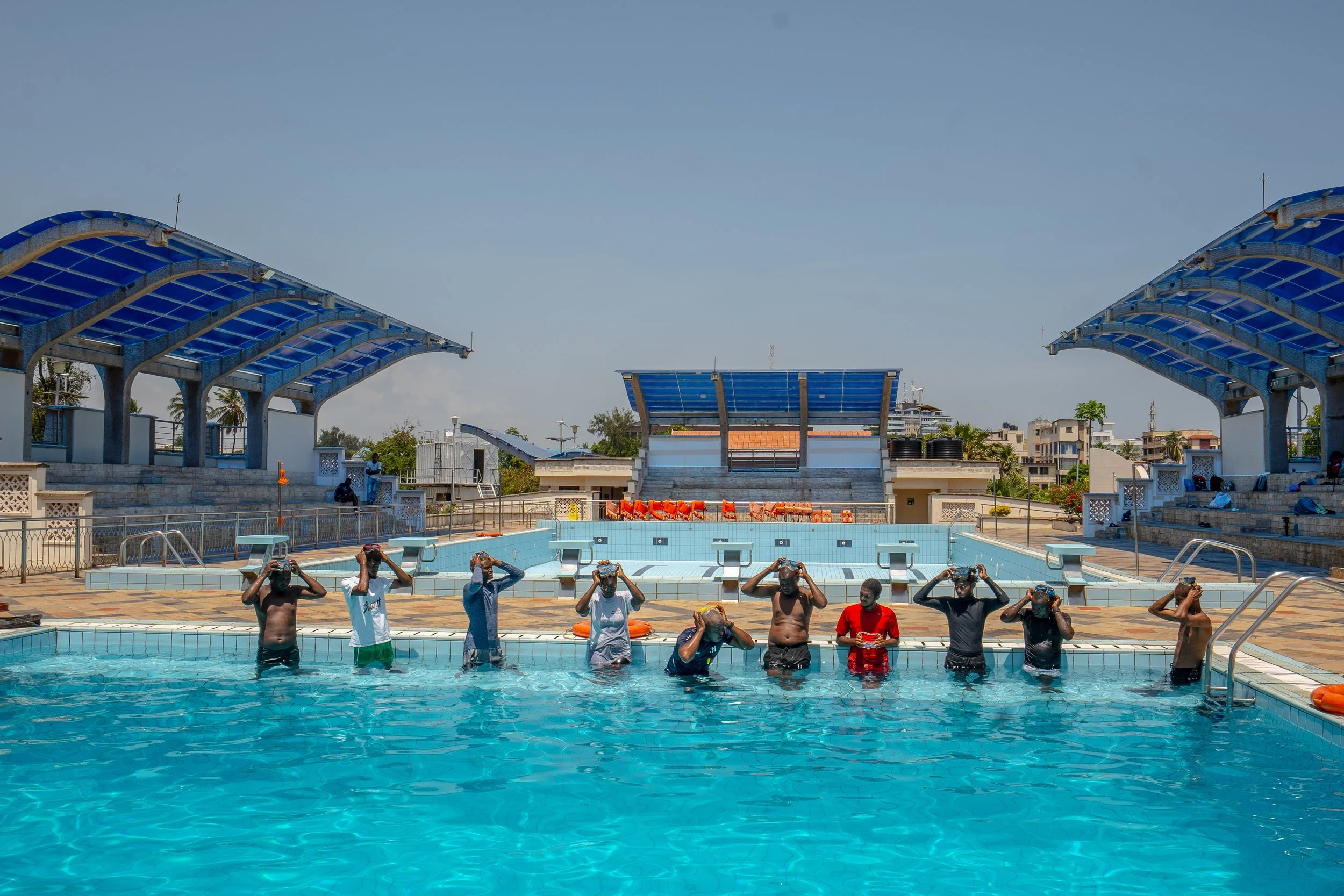
Underwater training or exercise can be a valuable way to strengthen your body and skills, but it’s important to stay safe and be vigilant for SWBs.
During a firefighter training session, a strong swimmer participated in an underwater endurance drill. After hyperventilating to extend breath-hold time, the individual lost consciousness without warning and began to drown silently. The absence of immediate supervision delayed rescue, resulting in a critical incident. This case led the fire department to implement strict “no solo underwater training” rules and mandatory spotters, which significantly reduced future shallow water blackout incidents among trainees.
Examples like this illustrate the caution that should be used during aquatic rescue, even if it is simply a training drill. Utilize the prevention strategies, consider the risk factors, and be vigilant for warning signs to avoid shallow water blackouts.

James Nyadwe is a Water Survival/Safety Expert and Trainer, Open Water Scuba Diver, and a Fire Advocate. James is passionate about sharing knowledge on safety issues on land and water that impact first responders. Additionally, James has served as an instructor for AFM’s virtual firefighter training.
In January 2026, Africa Fire Mission continued its partnership with Fire Aid through a follow-up training mission in Wajir County, Kenya, demonstrating what long-term, sustainable capacity building can look like in action.
Resources from Kristina Stiles
Saving Lives is Not Enough Report - A casualty-centred proposal identifying how Fire and Rescue Services can improve pre-hospital care and quality of life outcomes for burn survivors.
The Family Oops and Burns First Aid Book - A children's book created to support children and their families learning about burns prevention and first aid principles together. The book describes an accident prone family who are not burns aware, who have to go to school to learn about burn safety and first aid within the home. This book is a recommended reading for all nursery school teachers.
20 Minutes of Cool Running Water - Information on how and why to treat burns with cool running water for 20 minutes.
Burn Scar - Burn scars often form when deep skin layers are damaged and healing takes over three weeks. Discover why scarring is common, what treatments can reduce it, and why complete removal isn't possible.
“The 2025 Fire and EMS Symposium at Bandari Academy in Mombasa provided an excellent platform for counties across Kenya to strengthen their emergency response capacity. As an instructor in the leadership class, I witnessed the dedication of Kenya’s firefighters and paramedics first-hand and saw the critical need for strong, ethical, and modern leadership within the sector.”
Suleiman Adan Issack, Chief Fire Officer of Mandera County, writes about his experience at the 2025 Kenya Symposium
by Howard Cohen
Not all firefighters are emergency medical technicians or paramedics, but we often serve as the first responders at scenes requiring life-saving first aid. Therefore, it is vital for all firefighters to possess at least a basic understanding of first aid. This short article aims to outline foundational principles for addressing trauma in situations where immediate life-saving medical assistance is needed. This article should not be seen as comprehensive first aid training. Nevertheless, with the basic and limited information provided here, and without any formal training, you may still have the opportunity to save someone’s life.
Scene Survey: The First Task
Size up: Regardless of your level of technical first aid training or medical knowledge, your first task when responding to an incident involving injuries is to gather as much information as possible about the situation. This is achieved through a thorough size up. It is crucial to assess the risks and dangers before rushing in to provide aid. Ask yourself, “What is trying to kill or harm me?” Is it traffic, wildlife, fire, an unstable building, falling objects, or floodwaters? You do not want to become another casualty or cause further harm to the patient.
Number of patients: Once you’ve ensured the scene is safe and stable, it’s time to determine how many individuals are involved in the incident. It’s easy to focus on patients who are crying out in pain and overlook those who are unconscious or not visible. Additionally, it can be tempting to rush to assist a person whose injuries seem more life-threatening than they actually are, such as someone bleeding from a superficial head injury, while another individual nearby has stopped breathing.
Primary Survey: The Second Task
The primary survey is an assessment of the three essential life-supporting functions: the respiratory, circulatory, and nervous systems, often called the ABCDs. Any problems related to these systems present an immediate risk to the patient's life and must be addressed without delay.
ABCDs: Once the size-up is completed, the scene is safe (or as safe as you can make it), and you have a sense of the number of patients needing aid, initiate a primary survey of the patients by checking the status of the three conditions that represent an immediate threat to life.
Airway: Check to make sure that the mouth and airway are cleared and that air is actually going in and out.
Blood is circulating: Ensure that blood is not spilling out and that it is actively circulating.
Disabled: Check whether the spine is stable and the central nervous system is functioning normally. Due to the limited scope of this article, I will not discuss further injuries related to the head, neck, or spine.
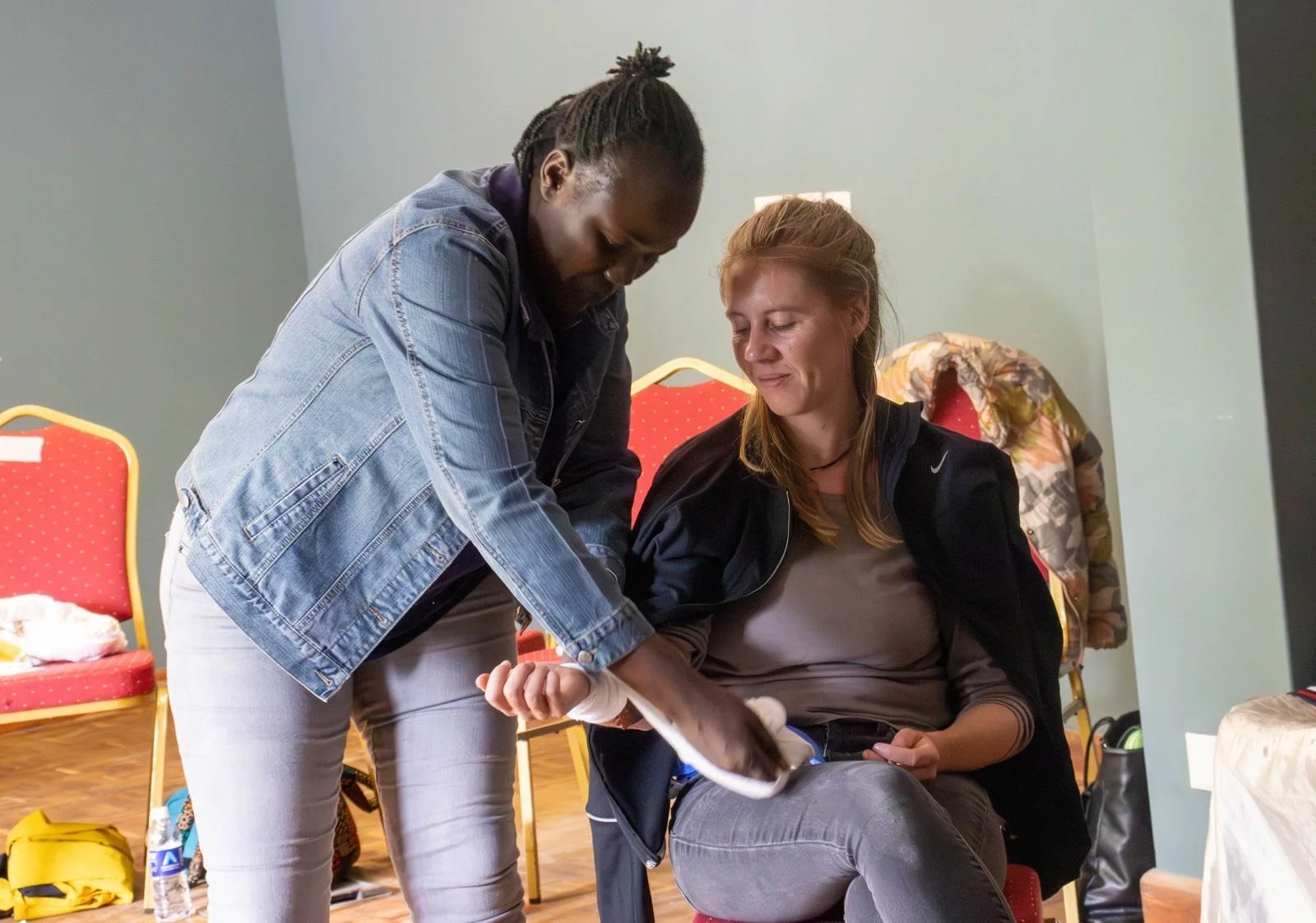
Active Bleeding Control Instructor checks the pulse and applies bandages to a patient.
Basic Life Support (BLS)
Basic life support (BLS) is the immediate treatment of one of the three life-threatening emergencies found during your primary survey. Its purpose is to provide temporary support to keep the patient alive while a secondary survey is conducted and/or until advanced treatment is available.
The simplest way to begin a primary survey is to ask the patient, “How are you?” If he answers, you know that his airway is not obstructed (A), his heart is beating (B & C), and his brain is functioning (D). If the patient does not respond or responds in an unusual way, you will need to look more closely.
Airway:
Airway problems result from an obstruction to the pharynx or larynx, which can be complete or partial. A complete obstruction is rapidly fatal, but it can be effectively and dramatically treated by clearing the airway. There are various ways an airway can become obstructed, such as vomit, a foreign object, swelling caused by trauma, an irritant, or an allergic reaction. It is imperative that you clear the airway, but you must do so without causing any additional harm to the patient.
Breathing:
A person can have an open airway yet still experience difficulty breathing. This may result from an injury to the brain, spinal cord, or diaphragm. The method for assisting a patient with breathing when more advanced medical care is unavailable is known as positive pressure ventilation or artificial respiration (mouth-to-mouth). The inflation rate should be around 12 breaths per minute or one every 5 seconds, with each breath lasting about 1 to 1.5 seconds. Rapid breaths can push air into the stomach, potentially leading to vomiting.
Bleeding & Circulation:
Uninterrupted blood circulation is essential for survival. There are two primary types of disruptions to blood circulation that a first responder can address: cardiac arrest and bleeding. Cardiac arrest occurs when the heart stops beating. During your primary survey, if you discover that the patient has no pulse, it indicates that her heart has stopped beating, and she is in cardiac arrest. It's important to note that in adverse situations, or if the patient is in shock, finding a pulse can be challenging. The carotid pulse is the strongest and easiest to access; it is located on either side of the larynx in the neck. If there is no carotid pulse, the heart is not beating. CPR (cardiopulmonary resuscitation) is the only treatment for cardiac arrest. Even with hands-on training, it has limited potential to restore and sustain life.
The second type of disruption to circulation results from significant blood loss. Controlling blood loss is essential as part of BLS. Bleeding can be internal, which is often difficult to identify and stop, or external, though it may not always be obvious. Addressing internal bleeding goes beyond the scope of this article and the capabilities of most first responders in the field. External bleeding is managed by applying direct pressure to the bleeding site with your hand, ideally using a cloth or bandage. This application is not intended to absorb the blood; instead, it provides uniform pressure across the wound. Prepare to maintain direct pressure for ten minutes or more. If the bleeding does not stop, remove the bandage to locate the source of the blood and then reposition your hand.
There is no easy rule for determining when bleeding is severe. A rule of thumb is that if it looks like a lot of blood, it probably is. However, severe bleeding can be missed if the patient is wearing a lot of clothing or the blood is absorbed into the ground around the patient.
Conclusion:
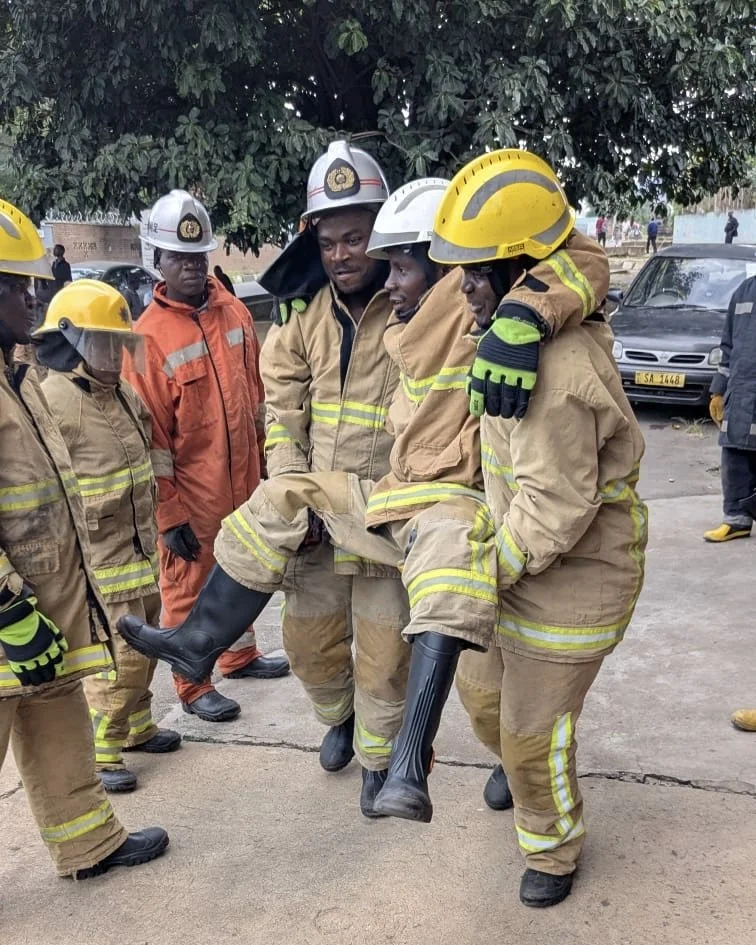
Firefighters practice safely transporting an injured person.
When developing first aid skills, like all skills a firefighter must master, training and practice are essential. Additionally, reading about the principles and theories that support these skills is important. However, there is no substitute for training and practice.
For more information, visit the following references:
Africa Fire Mission Active Bleeding Control Resources
The Outward Bound Wilderness First-Aid Handbook; Jeff Isaac & Peter Goth.
The Field Guide of Wilderness & Rescue Medicine; Jim Morrissey & David Johnson.
Opening an Unconscious Patient’s Airway with a Manual Manipulation
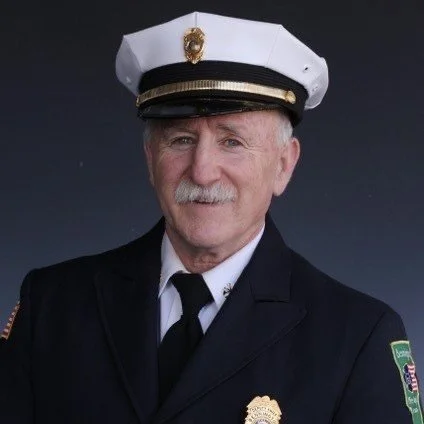
Howard A. Cohen was a volunteer firefighter for 20 years. He began his firefighting career as a chaplain and retired as the deputy chief. He is currently AFM’s online program content director. He frequently presents for the Weekly Virtual Firefighter Trainings and contributes to the AFM blog.
by Ibrahim Basafar
My name is Ibrahim Basafar, and I serve as the County Chief Fire Officer for the Mombasa County Government. I am also a PhD finalist in Law Enforcement and Legal Justice Systems at Mount Kenya University.
I recall joining the fire department from the Inspectorate department when His Excellency Abdulswamad Shariff Nassir was elected as the Governor of Mombasa County.
During a visit to the main fire station in October 2022, I was quite surprised by the conditions. There was no dedicated CFO office, recreation center, or classroom. The dormitories were in poor condition, infested with bed bugs, and lacked basic amenities like paint or fans.
The station was operating with only one functional fire engine with an unstable and leaking tank. Additionally, there were broken and leaking fire water hoses, no FFF foam, no allocated fuel, and a lack of essential protective gear such as fire tunics and breathing apparatus. There was also no established curriculum, control room, OB facility, or operational system in place. Sadly, the station had become known as a place to transfer officers with disciplinary issues from other departments.
Governor Nassir and I agreed that the fire department had been neglected and needed a complete transformation into a model department for other county and national entities to learn from. Our initial focus was on enhancing the capacity and discipline of our officers. Following this, we successfully increased the annual budget allocation for the fire department.
Today, we have 102 fire officers who have received comprehensive training in firefighting techniques, OSHA standards, first aid, and water rescue, along with internal supervisory training. Mombasa now has an Emergency Operation Center, overseen by a Fire Officer, which manages county-wide disaster and emergency responses. We have five operational fire engines and one rescue truck equipped with all necessary tools, including extraction equipment for road traffic accidents. All dormitories have been renovated, and the three main stations in Likoni, Changamwe, and Mvita have been refurbished to meet a standard fire department aesthetic.
Currently, we have 60 new, UK-standard fire tunic suits acquired by the county (not donated), 54 self-contained breathing apparatuses, UK-standard fire water hoses with branch nozzles, and a storage of 10,000 liters of AFFF foam. Continuous daily classes are conducted in all three stations using a standardized fire curriculum. Furthermore, a new fire station in Kiembeni is nearing completion at 85% and is expected to be fully operational by June 2025.
We have also extended our training to other counties and institutions, including 60 officers from Kiambu County Fire, 40 from Nairobi, 98 from Tana River (including Chief Wako), 300 individuals from various universities and colleges, and 220 ongoing trainees at the Mombasa Inspectorate school. In 2024, we conducted 52 school inspections and training sessions, as well as 50 community awareness programs.
Presently, 50% of our officers are fully equipped with standard fire tunic suits, boots, helmets, self-contained breathing apparatuses, and working uniforms.
With the continued support of His Excellency Abdulswamad Shariff Nassir, we are optimistic about achieving 100% PPE for the remaining officers in the next financial year. We also aim to build an additional fire station in Nyali, initiate a kitchen welfare program for our firefighters, and implement promotions for the existing force.
It truly makes our day when our firefighters return home safely with a sense of accomplishment.
Chief Fire Officer Ibrahim Basafar is Mombasa County Government’s Fire Chief. He is a PhD Finalist in Law Enforcement and Legal Justice Systems at Mount Kenya University. He is an experienced Fire Officer and safety expert.

“It’s incredible to see the advocacy and advancement taking place in the fire service in Mombassa. Collaboration, relationships, advocacy, and tenacity have been required to improve Mombassa’s fire service. We hope that other fire services in Africa can learn from what Mombassa is doing!”
- Nancy Moore, Africa Fire Mission, Executive Director
In March 2025, Africa Fire Mission (AFM) proudly launched our Active Bleeding Control Program in Kenya, a significant step toward enhancing emergency response capabilities in the region. This initiative addresses the critical need for immediate bleeding control, especially in areas where access to medical facilities may be delayed.
By Chief Mike Kull =- Programs Director, Africa Fire Mission
Africa FIre Mission held its annual All Kenay Fire and EMS Training Symposium in November 2024. AFM integrated discussions about mental health and wellness into all of the training classes that were offered. This topic is frequently requested and is especially relevant due to first responders being attacked while trying to lend assistance to the public during 2024 demonstrations in Kenya.
Mental health issues are often stigmatized, particularly among first responders and various communities across Africa, where such challenges are frequently perceived as signs of weakness. This stigma can lead first responders to fear ridicule or ostracism from their peers when confronting mental health or addiction problems. Such concerns are compounded by stories of alcohol abuse within the ranks of first responders, highlighting the urgent need for open dialogue and support.
To combat these stigmas, our training classes fostered a supportive environment where participants could learn, share, and hear the experiences of others. AFM’s instructors lead discussions and recounted their own journeys with mental health and wellness. This, facilitated open discussions that underscored the importance of mental wellbeing and talking about trauma and its impact. Wellness exercises, including mindfulness and physical exercise, were integrated into the program to promote holistic approaches to mental health.
Feedback from participants indicated that these interactions proved invaluable; one firefighter expressed gratitude to an instructor, sharing his battle with alcoholism and his triumph in achieving sobriety since the training began. Additionally, training participants reported that the sessions significantly broadened their understanding of the stress and trauma that first responders endure. Chief Fire Officers, expressed that they gained renewed insights into the struggles faced by their team members, affirming the need for continued support and open conversations surrounding mental health challenges in high-stress professions.
by Mark van der Feyst
Personal Protective Equipment (PPE) is essential for all firefighters. PPE for firefighters is not only required, but it is extremely important as it protects them from many dangers that they will face within the scope of their job. Some of the dangers that firefighters will come across within their job include heat and flames, hazardous materials, injuries, burns and possible death. While safety is the main reason why proper PPE should be worn, they are needed by firefighters to prevent them from inhaling hazardous fumes, toxins, and debris that could harm their lungs, respiratory system, as well as a shield to prevent the skin from absorbing harmful toxins and particles that might otherwise lead to chronic health conditions.
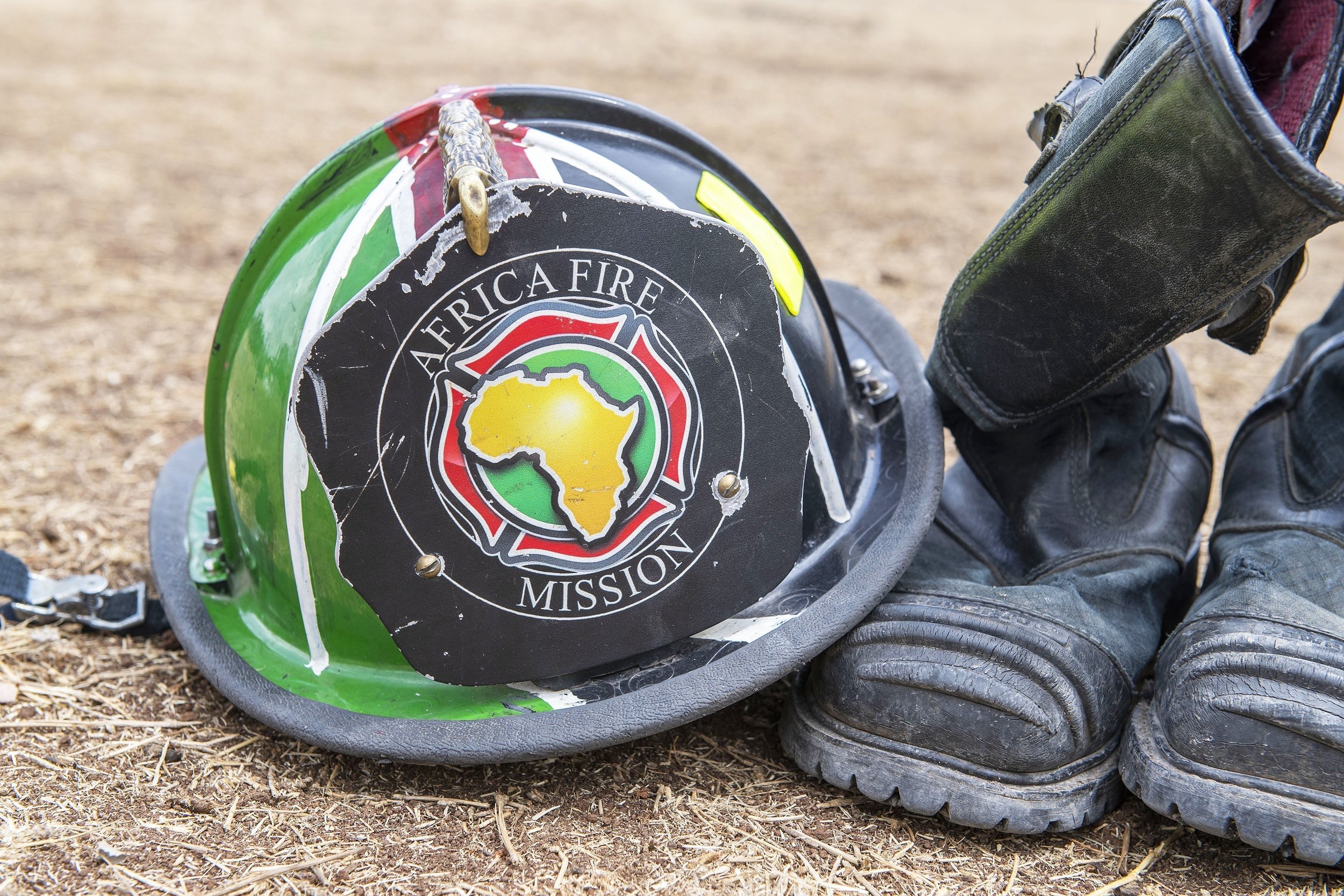
Firefighter helmet and boots
Firefighter's PPE, also known as turnout gear or bunker gear, is a critical component as it is made with different layers of fabric for optimal fire protection. The outer and thermal layer protects the firefighter from radiant heat, and it can also serve as protection from partial flame. The moisture barrier serves as a protection from the sprayed water to prevent the body from getting soaked, thus saving them from injuries due to steam burns. The gloves and boots that firefighters wear are made from fire-resistant materials to protect their hands and feet from sharp objects, radiant heat, and other dangers that might occur. The helmet is made from durable and fire-resistant materials as well as it includes a mounted flip-down shield to protect their heads and faces from extreme temperatures and falling debris. Likewise, it also prevents the firefighter from getting drenched from the sprayed water. The PPE also includes a face mask, air pack, and an air cylinder so that they are able to regulate air pressure and breathe clean air.
The proper fit of a firefighter's PPE is crucial to their safety as well as endurance. PPE that fits properly enhances the firefighter's ability to carry out their duties effectively while minimizing the risk of accidents and injuries. Gear that is not fitted properly can impede movement, restrict flexibility, and compromise overall functionality, posing potential hazards on the fire ground. Firefighters who are properly protected have a greater chance of survival than those who are not.
In addition to wearing PPE correctly, proper cleaning and maintenance of this gear is also essential. Carcinogens are present on the fireground so as a carrier of contamination, wearing inadequately cleaned or uncleaned PPE results in the transfer of that contamination to any surface or person the firefighter encounters. The equipment should always remain in good condition and be ready to be worn for the next emergency.
PPE is the only equipment that is used in every emergency. Wearing the appropriate PPE is heroic. A firefighter cannot help or save someone else if they themselves are hurt, injured, or worse, dead. Simply put, PPE is as important a tool as anything else in the fire service.
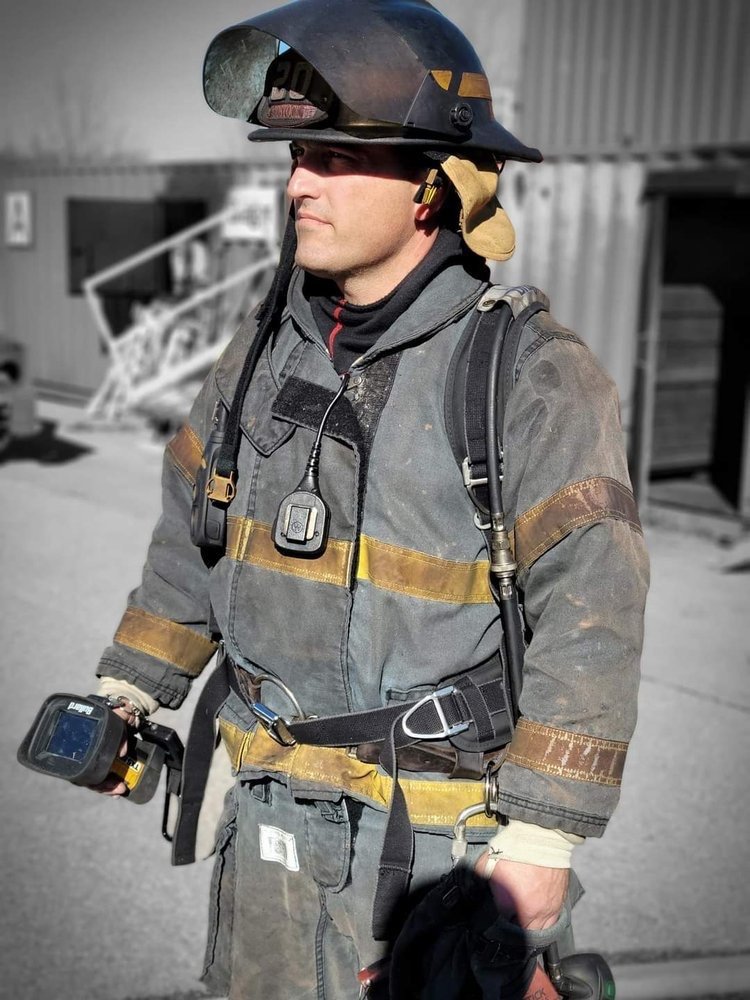
Mark van der Feyst has been in the fire service since 1998, currently serving as a firefighter with the Fort Gratiot Fire Department in Michigan. He is an international instructor teaching in Canada, the United States, and India. He is a veteran of two AFM trips to Kenya.
In November, Africa Fire Mission worked with partners and collaborators around the world to hold the 2024 Kenya EMS and Fire Symposium and Competition. This Symposium featured firefighter and EMS trainings, leadership development, mental health awareness, community fire prevention trainings, and the signature EMS and Fire Competition. All of the classes were desinged to have immediate application for firefighters and EMS personel. AFM was espeically focused on leadership development in emergency services and the mental, physical, and spiritual wellness of first responders. AFM would like to recognize members of the fire service who are making a difference across Africa, as well as the award winners of the Fire and EMS Competition!
Africa Fire Mission (AFM) is pleased to announce that it has received a grant from the Motorola Solutions Foundation, the charitable arm of Motorola Solutions. AFM will use this grant to support the funding for our Fire and EMS Training Symposium and Personal Protective Equipment (PPE) Distribution in Kenya. This event serves as an incredible opportunity to train members of the fire service and develop leaders. AFM team members will also prioritize the mental wellness of first responders by continuing the development for health and mental wellness programs for emergency personnel.
Africa Fire Mission (AFM) announces a grant award of $44,000 from the Laerdal Foundation for research to begin a Stop the Bleed® training program in Sub-Saharan Africa. The project will be led by Nancy Moore, MSW, LISW-S, Kirstin Henley, MD (Baylor College of Medicine), and Africa Fire Mission volunteers beginning November 2024 in Nairobi, Kenya.
by Tyler Prater
Water rescue operations are a very dangerous, highly technical operation. With water covering over 70 percent of our world, as first responders we are bound to respond to a water emergency. One of the biggest hazards is flash flood and swiftwater emergencies. Swiftwater is described as water moving more than 1 nautical mile per hour (Knot). NFPA 1006 standards breaks swiftwater rescue into 3 parts.
1. Awareness, meaning that the responder is aware of the hazards but is not trained to mitigate.
2. Operations, meaning that responders can take a defensive role using throwbags or throwable flotation and have been trained in self rescue defensive swimming techniques.
3. Technician level training, meaning that the responder is equipped and properly trained to respond to in water emergencies using a “Go” rescue.

It's also important to note the water rescue order of operations. Remember the saying “Reach, Throw, Row, Go.”
Reach - To reach for the victim trapped in the water. Long Sticks, ladders, poles, or anything sturdy enough to reach into the water to get to the victim.
Throw - Throw a rope or a flotation device to your victim trapped in the water.
Row - Use a boat to row your way to the victim.
Go - The most dangerous and last resort in water rescue: to send a rescue swimmer into the water.
As in all rescue operations, PPE is an especially important factor for water rescue. Making sure anyone operating near the water knows how to swim and has proper flotation in place. If making a “Go’ rescue it is imperative that the PFD the rescuer is wearing has enough flotation for both the rescuer and the victim. When responding to emergencies in fire apparatus, remember that we are not invincible to the power of water. It only takes a few inches of water to float and move a vehicle. Turn around, don't drown. Flood water is also a known health hazard. As water floods a village or city it picks up all waste and hazardous materials and flows it across the city. If vehicles or sewage facilities are involved, fuels and biohazards could enter the water. Treat all flood water as hazardous water and make sure to thoroughly decontaminate your body and all equipment used in the water. Multiple bystanders die each year trying to rescue victims in flood water. Tying yourself to a rope that you cannot break free from is also another hazard that is commonly misunderstood. If a rope is tied around a rescuer and that rescuer gets hung up, or reaches the end of the rope the power of the current will push the rescuer under the water.
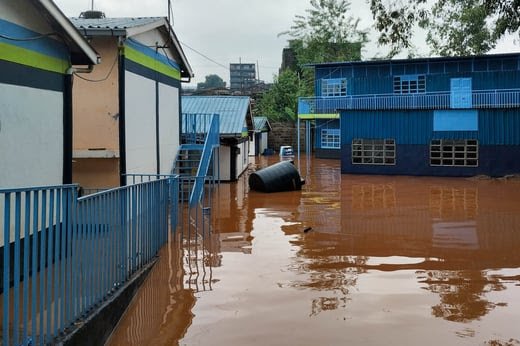
Understanding and treating water rescue events as a high hazard, low frequency event will make both the rescuer and victim safer in the long run. Public education of the hazards of flash flood and swiftwater hazards is also imperative to preventing water emergencies. Remember to follow your level of training. Rescuers must have the appropriate PPE and resources available to make an in water rescue. For more information on this topic and to learn more about training standards, reference NFPA 1006 - Professional qualifications of technical rescuers, or check out TDISDI.com / ERDI and search for swiftwater rescue.
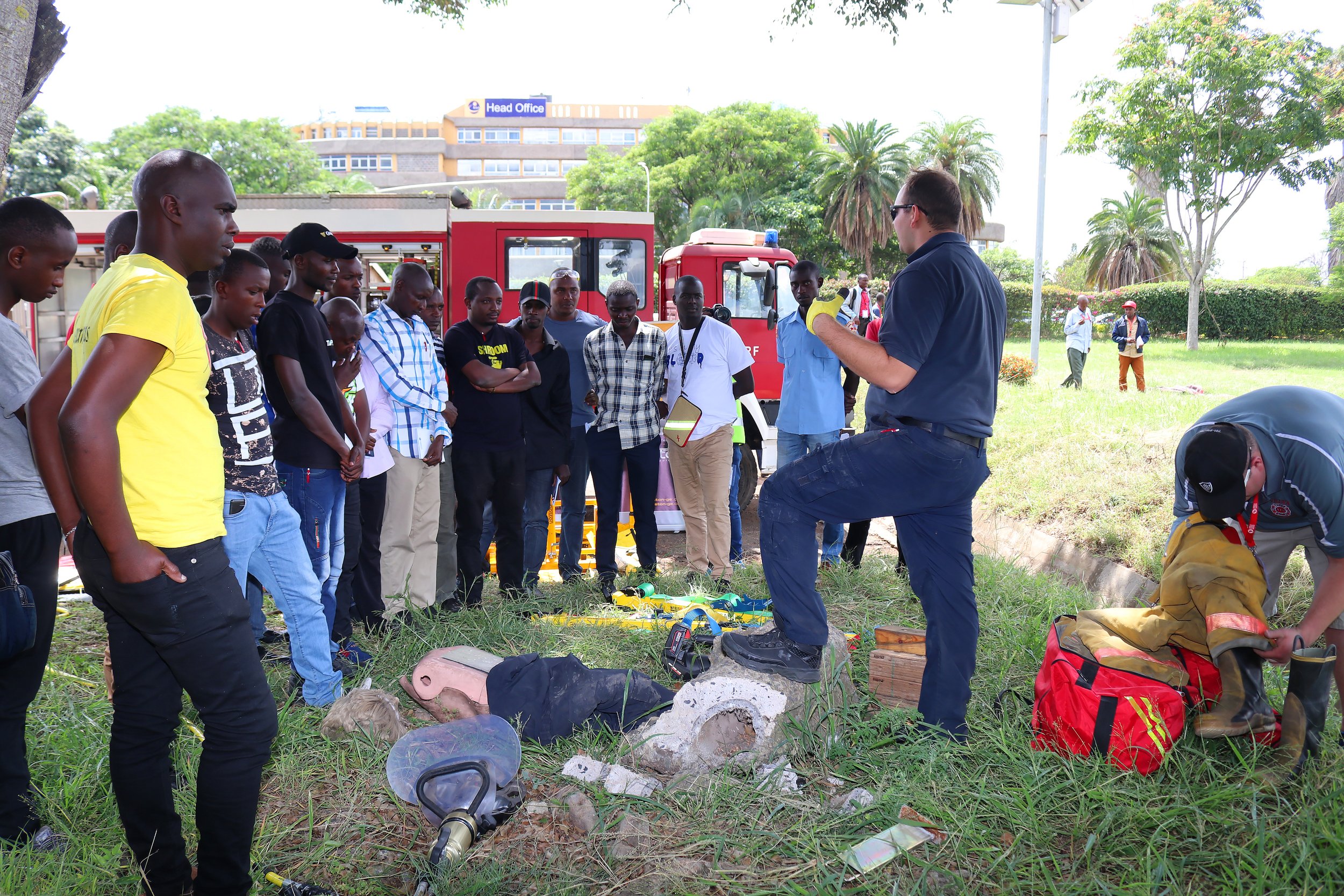
Tyler Prater is a 8 year member of the St. Louis Fire Department and currently serves as a rescue squad member. Tyler is also a water rescue specialist and instructor for Water and Dive Rescue.

It was great to be back in Abuja, Nigeria in January and early February!
An AFM team of six provided training to FCT firefighters, IHVN staff and partners from the “Committee of Stakeholders on the General Safety & Security of Cadastral Zone C00 Abuja FCT.” The training allowed the AFM team to assess the capabilities of the firefighters as well as gain a better understanding of the community’s perspective of firefighters. Training for the FCT Fire Service focused on enhancing fire response capabilities, promoting utilization of available equipment and tools for firefighting, and enhancing community awareness.
Team member Mike Kull elaborated that “we were able to provide quality training on a wide variety of topics - Breathing Apparatus, Ladders, Hose Drills - Firefighters from FCT Fire Service were eager to learn and we expect to see rapid and positive results from this training. We realize that development is a slow process but we have high hopes for the firefighters here in Nigeria.”


Head of Operations, FCT Fire Service, Engr. Adesina Abioye, stated that the training has updated Fire Service Staff with modern professional ways of rescue and firefighting, and served as a refresher course on fire prevention and administration for the Senior Staff who participated. “The importance of the partnership cannot be overemphasized; it has brought tremendous benefits to the partners and the stakeholders community. What would have cost the FCT administration a huge sum of money was made available at no cost due to partnership,” he said.
AFM also conducted a needs assessment to identify tools and equipment needed to further develop the FCT Fire Service and donated firefighting equipment. This equipment included firefighting coats, boots, gloves, suspenders and helmets for enhanced effectiveness in responding to fire incidents and saving lives, property, and critical infrastructure.
We are grateful that IHVN is committed to collaborating with FCT Fire Service to enhance the capabilities of the fire service and look forward to continued collaboration in Nigeria.