by James Nyadwe
Shallow water blackouts (SWB) pose a challenging risk to firefighters and first responders in aquatic emergencies. A SWB is a sudden loss of consciousness underwater due to oxygen deprivation, often after hyperventilation or prolonged breath-holding. Hyperventilation lowers carbon dioxide, delaying the urge to breathe and increasing risk. Consider the following risk factors, warning signs, and prevention strategies to ensure a safe response to aquatic emergencies.
Risk Factors
SWBs occur during competitive swimming, underwater training drills, and rescue simulations. Firefighters are at risk during aquatic training, even in shallow pools or tanks. They can happen silently and quickly, with no struggle or warning. Drowning occurs within minutes if not rescued. SWB-related incidents can endanger rescuers who respond unprepared.
Warning Signs
The following warning signs can alert you to a potential SWB:
Unusual breath-holding, like those in a competition
Dizziness or confusion during underwater drills
Sudden stillness underwater
Prevention Strategies
It is possible to prevent SWBs. You should never train or respond alone in water. Avoid hyperventilation before breath-holding, and enforce strict safety protocols during aquatic drills. Educate crews about SWBs and rehearse rescue responses.
Real-World Incident Example: Training Incident
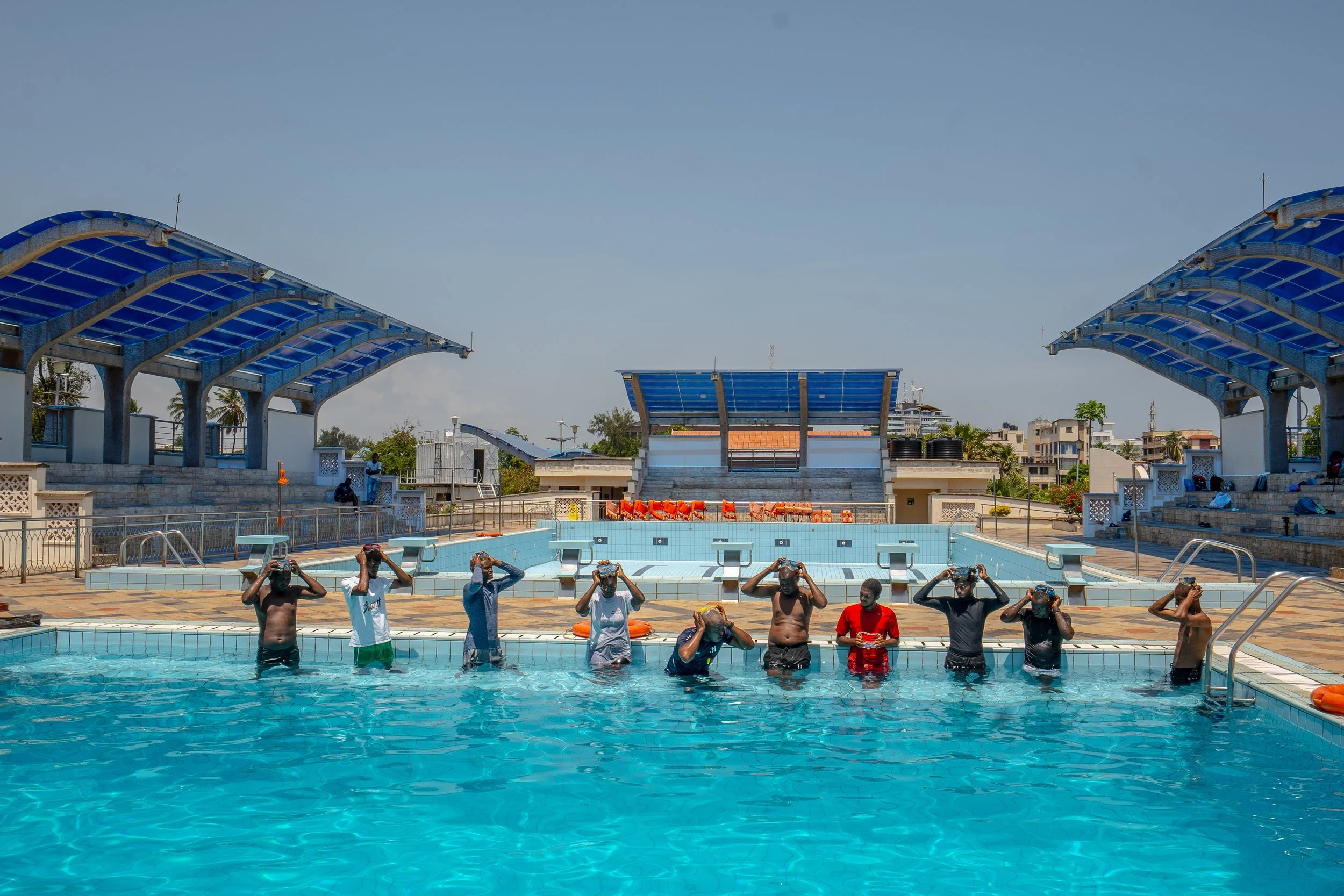
Underwater training or exercise can be a valuable way to strengthen your body and skills, but it’s important to stay safe and be vigilant for SWBs.
During a firefighter training session, a strong swimmer participated in an underwater endurance drill. After hyperventilating to extend breath-hold time, the individual lost consciousness without warning and began to drown silently. The absence of immediate supervision delayed rescue, resulting in a critical incident. This case led the fire department to implement strict “no solo underwater training” rules and mandatory spotters, which significantly reduced future shallow water blackout incidents among trainees.
Examples like this illustrate the caution that should be used during aquatic rescue, even if it is simply a training drill. Utilize the prevention strategies, consider the risk factors, and be vigilant for warning signs to avoid shallow water blackouts.

James Nyadwe is a Water Survival/Safety Expert and Trainer, Open Water Scuba Diver, and a Fire Advocate. James is passionate about sharing knowledge on safety issues on land and water that impact first responders. Additionally, James has served as an instructor for AFM’s virtual firefighter training.