
FOR IMMEDIATE RELEASE
Monday, June 8, 2026
Nairobi, Kenya – June 2026
Africa Fire Mission (AFM) is calling on schools, communities, government leaders, and fire brigades across Kenya to strengthen fire safety education and emergency preparedness following recent school fire incidents that have resulted in the loss of young lives and impacted communities across the country.
Recent tragedies serve as a reminder that fire prevention, preparedness, and effective emergency response must remain priorities for every educational institution. While firefighters play a critical role in responding to emergencies, the greatest opportunity to save lives comes before a fire ever starts.
“Every child deserves to learn in a safe environment,” said Nancy Moore, Co-Founder and Executive Director of Africa Fire Mission. “Schools, fire brigades, government agencies, parents, and community leaders each contribute to creating safer environments for children. By combining strong building safety practices, fire prevention education, and regular preparedness exercises, we can reduce risk and help prevent future tragedies.”
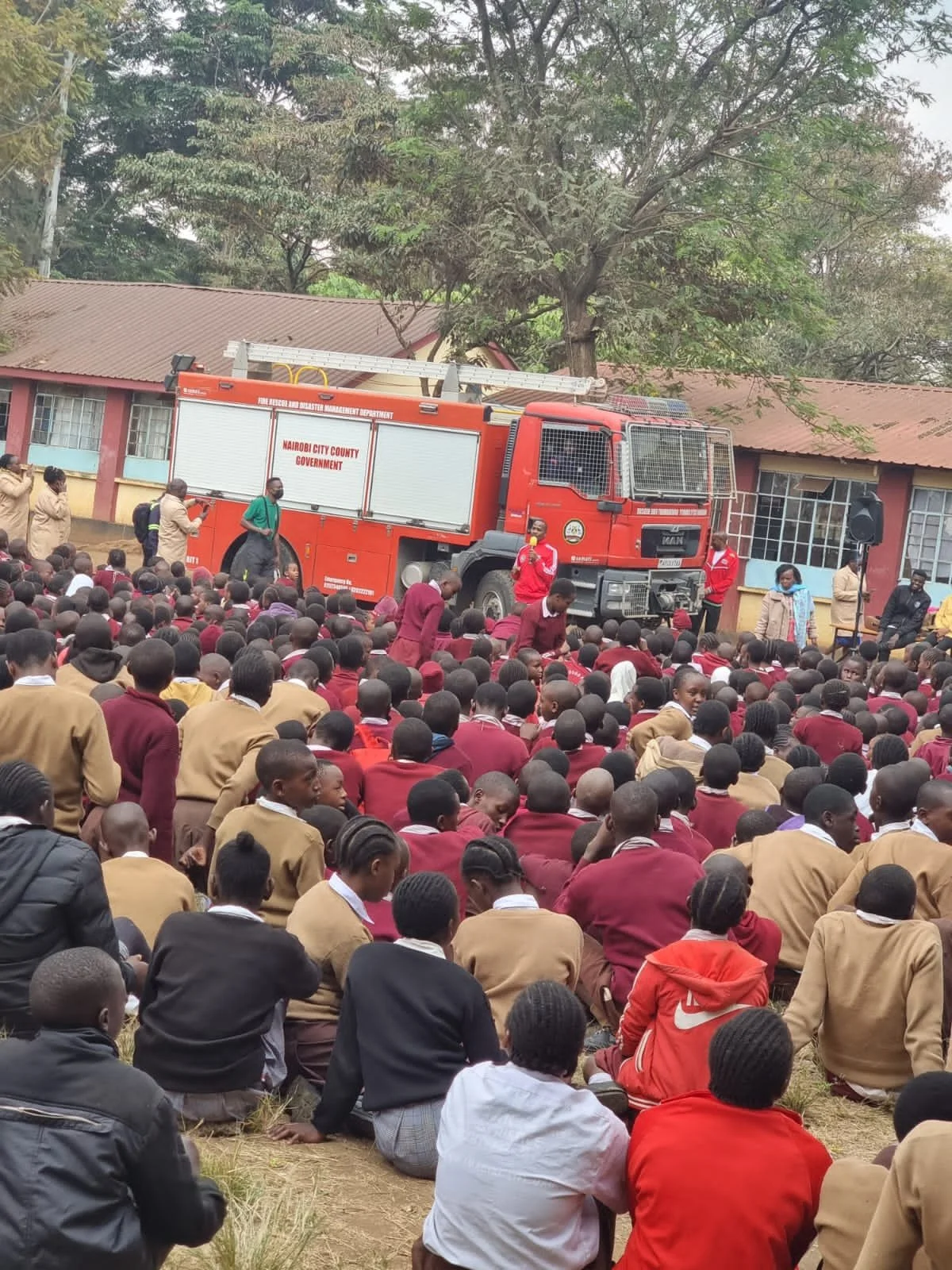
For more than a decade, Africa Fire Mission has partnered with firefighters, educators, community organizations, and emergency responders throughout Kenya to promote fire prevention education and improve community safety. Through school outreach initiatives, firefighter training programs, and community fire safety education, AFM has helped thousands of students, teachers, and community members gain practical skills to prevent fires and respond safely during emergencies.
The Role of Fire Brigades in School Preparedness
Local fire brigades offer valuable expertise that extends far beyond emergency response. Firefighters can assist schools by:
• Conducting fire safety inspections and identifying hazards
• Reviewing evacuation plans and emergency procedures
• Participating in fire drills and evacuation exercises
• Training teachers, staff, and student leaders
• Providing fire prevention education and demonstrations
• Recommending improvements to building safety and emergency access
Strong partnerships between schools and local fire brigades help create a culture of preparedness and ensure that schools are better equipped to respond effectively during emergencies.
Safe Buildings Save Lives
Fire safety begins long before an emergency occurs. AFM encourages school administrators, education officials, and facility managers to regularly evaluate school buildings to ensure critical life safety features are functioning properly and accessible when needed.
Key considerations include:
• Dormitory and classroom doors that can be easily opened during an emergency and swing outward in the direction of evacuation
• Emergency exits that remain unlocked and unobstructed whenever buildings are occupied
• Windows that can be opened or used as emergency escape points where appropriate
• Clearly marked exit routes and assembly areas
• Functional fire extinguishers and fire detection systems
• Safe electrical installations and routine inspections to identify potential hazards
• Adequate supervision and emergency procedures for boarding facilities, especially during nighttime hours
Many school fire tragedies around the world have demonstrated that blocked exits, locked doors, overcrowding, and delayed evacuation can significantly increase the risk of injury and loss of life. Creating safe buildings and regularly practicing evacuation procedures helps ensure that students and staff can respond quickly and safely when emergencies occur.
Fire Prevention Education Matters
“When a fire occurs in a school, seconds matter,” said Jose Ngunjiri, Fire Safety Officer for Africa Fire Mission. “Every student should know at least two ways out of a building, every teacher should know the evacuation plan, and every school should regularly practice emergency drills. Firefighters can respond quickly, but preparation before an emergency is what saves the most lives.”
Ngunjiri added, “Simple measures such as regular fire drills, clear evacuation routes, accessible emergency exits, and strong partnerships with local fire brigades can make a significant difference when an emergency occurs.”
AFM encourages schools throughout Kenya to establish or strengthen fire safety programs that include regular fire drills, staff training, student education, emergency planning, and ongoing collaboration with local emergency responders.
As Kenya continues to grow and develop, investments in fire prevention education and preparedness represent one of the most effective ways to protect students, educators, and communities. Through collaboration between schools, fire brigades, government agencies, and community organizations, meaningful progress can be made toward preventing future tragedies.
About Africa Fire Mission
Africa Fire Mission is committed to building and increasing the sustainable capacity of the fire services across Africa through training, empowerment, support, and encouragement. Since 2012, AFM has partnered with firefighters, emergency responders, educators, and community organizations to strengthen fire prevention, preparedness, and emergency response capacity across Africa.
Through its Fire Safety Officer program, school fire prevention initiatives, firefighter training programs, and community outreach activities, Africa Fire Mission works alongside local partners to create safer communities and reduce the impact of fire-related emergencies.
Media Contact: Africa Fire Mission
José Njuki-Imwe Ngunjiri
Fire Safety Officer
Jose@africafiremission.org
+1 513 620 4236
Nancy L. Moore
Co-Founder and Executive Director
Africa Fire Mission
nancy@africafiremission.org
www.africafiremission.org