Through a long journey of healing, research and life experience, I have understood what my trauma means for me in this life. The thing about exceptional experiences, like trauma, is that once they have occurred, there is no erasing them. Now, this doesn't mean it has to remain the same forever and ever. The beauty of the human mind is that we can create perspective. Take politics, for example. The same people and the same problems have different perspectives on how to solve the issues. A lesson I have learned through my trauma experience is that this approach can take one out of dark times and into brighter days.
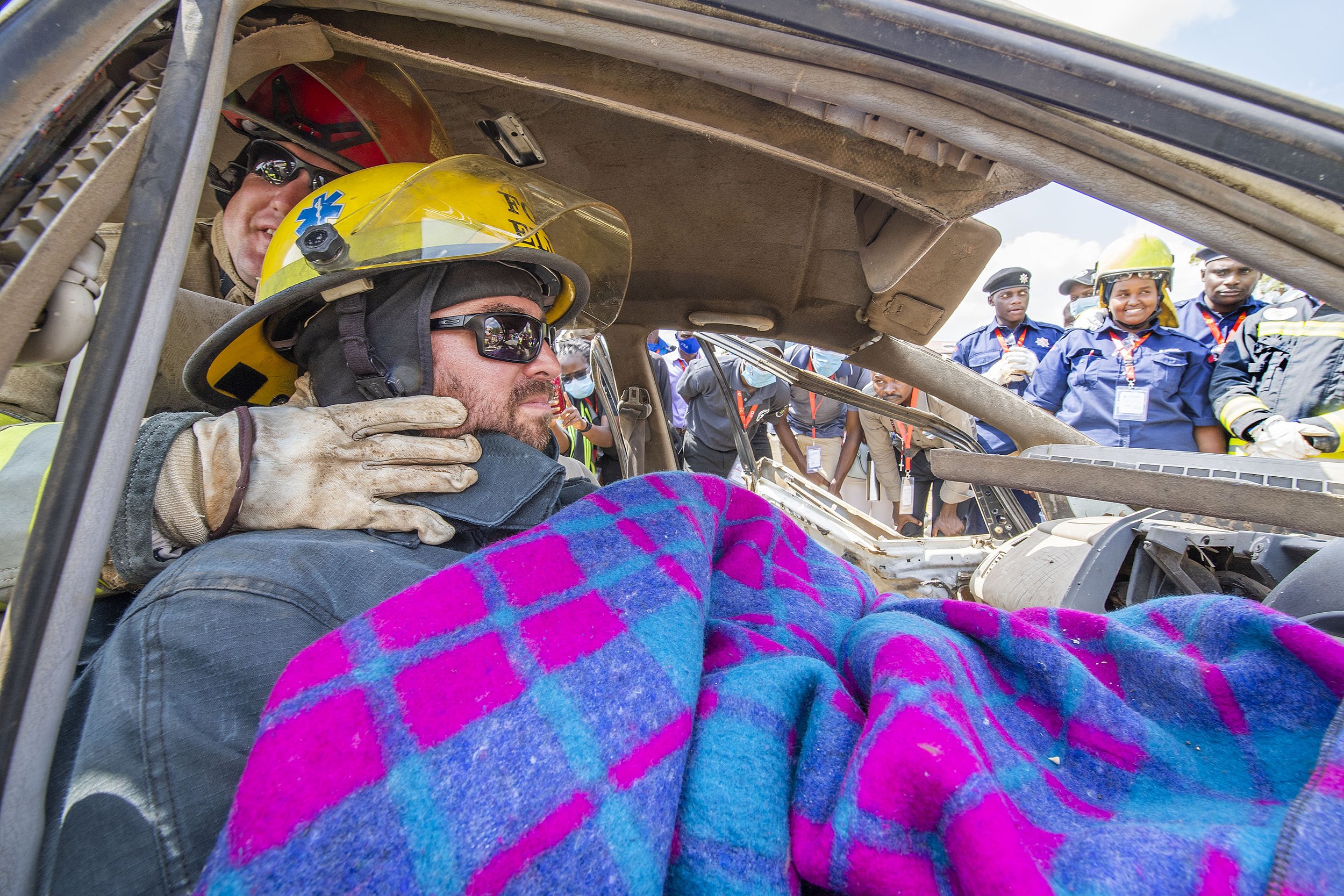
In December 2020, I was a part of a crew that extracted a woman from a house fire. The scene was a known homicide, the victim was beaten and burned to death. The image of her body and her children standing on her lawn stayed with me for a long time; they were hard to shake. At the same time in my life, I owned a Gym, and the closures from the pandemic were wreaking havoc on my finances, my stress and my relationship; this traumatic experience put me over the edge.
The shift that happened through various therapies was very subtle yet extremely powerful.
It was this:
Why is this happening FOR me? vs. Why is this happening TO me?
For vs To:
The understanding of this came from experiencing trauma's impact on my life. Let's break down the who, what, where, when, and why of trauma.
Who is Trauma?
Weird question, right? Too often, we become our trauma; it victimizes us, and we fall into the trap of continually asking ourselves, why did this happen to me? We create an entire identity around our trauma and allow that story to infiltrate our lives. Unfortunately, most of the time, this takes on a negative narrative that can lead to dark places of unhappiness, anxiety and depression; that is what happened to me. Once I learned that I am not my trauma, it enabled me to separate from it. From this place of separation, I could now view it as something different.
Our Trauma comes from an experience; it sticks around and hunts us because of the narratives our mind places on the traumatic experience. By learning to change this narrative, we can change how we perceive the experience of trauma in our life.
What is Trauma?
Is the Trauma the event that occurred? Perhaps and if that is true that trauma is the event, then why do we continue to suffer from the trauma after the event takes place? I sat down for dinner three days after extracting a dead, burnt person from a house fire. My wife had made roasted chicken for dinner. The traumatic experience was now over; however, my entire body was shaking, my heart was pounding, and I could not bring myself to eat as I was on the verge of vomiting, just from the look of the chicken on the table. My children were trying to talk to me as I stared blankly at the food before me, not hearing a single word. I was having physical, emotional and psychological responses to the event that had occurred three days prior. The trauma was alive and thriving within me.