
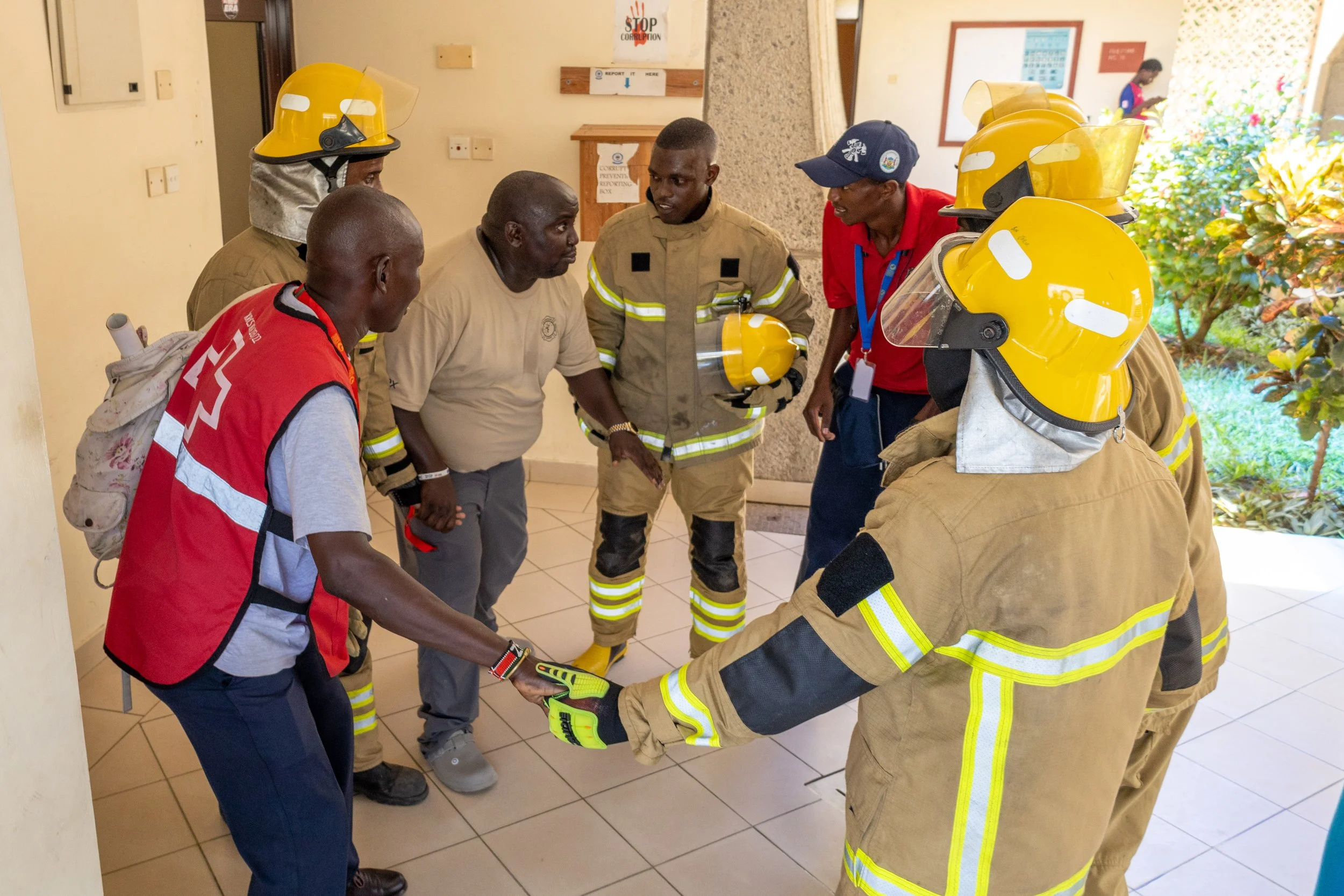
by Retired Deputy Chief Howard Cohen
Firefighters, emergency medical technicians (EMTs) and other first responders routinely confront some of the most devastating scenes imaginable. Overtime, the accumulative impact of providing care and support to victims of these traumatic events takes a huge toll on the first responders emotional, psychological and spiritual well being. Repeated exposure to gruesome accident scenes and wrecked lives has been documented through numerous studies throughout the world to contribute to the deterioration of first responders mental health, as well as inflicting a moral injury on them. Moreover, trauma induced stress not only harms first responders, but it also negatively impacts job performance, undermines team cohesiveness and damages family relationships.
While it is impossible for first responders to avoid encountering horrendous accident scenes, there are proven peer-based intervention strategies that improves resilience and helps restore mental well being.
Critical Incident Stress Management (CISM) is a comprehensive, integrated, systematic and multicomponent strategy widely used in many places throughout the world. It was developed by Dr. Jeffrey T. Mitchell in the early 1980s, and promotes pre-event stress and crisis management education, planning and policy development, as well as training for the management of traumatic stress.
Stress First Aid (sometimes referred to as Psychological First Aid) is another important peer-based intervention program. Unlike CISM, Stress First Aid requires very little training. Stress First Aid is built upon three primary objectives: (1) recreate a sense of safety, (2) establish meaningful social connections, (3) reestablish a sense of efficacy. Whereas CISM is orientated toward first responders, Stress First Aid is effective with civilians as well. Stress First Aid immediately address physical needs, e.g. food, water, sleep, bathroom breaks and determines if additional help, formal or informal, is necessary. CISM typically occurs one or two days later and assumes these basic physical needs have been addressed. Both programs address symptoms of stress and include education on how to mitigate unhealthy behaviors. The biggest difference is that CISM is a comprehensive program that includes Stress First Aid as a component. Another difference is that it takes several days to become trained in CISM, whereas Stress First Aid, as a stand alone peer-based intervention, requires little training.
CISM and Stress First Aid are both peer-based programs. This means that the program is presented peer to peer. This is important because first responders tend to be reluctant to open up to outsiders, or those who are not or were not first responders. Although there are many different reasons for this, what is important is that the best way to provide critical early intervention to intercept post traumatic problems from developing later is through a peer to peer program.
Peer to Peer Based Mental Health Programs for First Responders
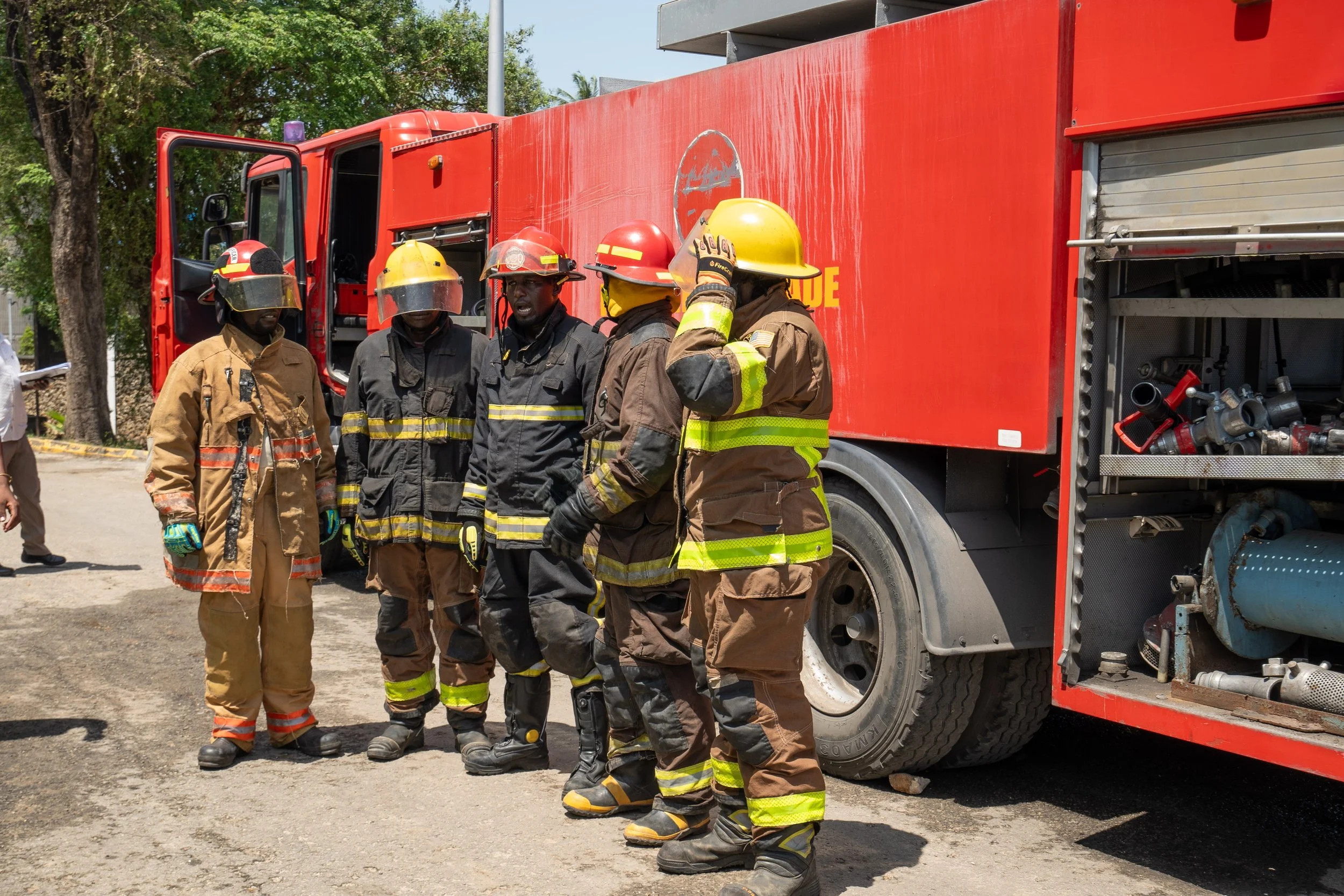
Peer to peer communication is key to many support systems.
It is often said that those who provide care for others cannot do their job if they do not take care of themselves. While the availability of supporting data varies from country to country, the reality is that first responders everywhere are more likely to suffer from psychological distress due to job stress, repeated exposure to trauma, lack of sleep, the physical demands of the job, lack of resources and working long hours or multiple jobs. Increasingly world wide, we are beginning to see the consequences of the stressors of the job. Unfortunately, first responders are often reluctant to seek out professional therapy primarily because of cultural stigmas, both within the first responder world and/or the wider society, because of mistaken belief that dangerously equates seeking help with weakness. First responders are often more open to participating in peer to peer to programs. Moreover, numerous studies throughout the world found that peer to peer program are the most effective way to mitigate long term negative consequences of secondary trauma.
The physical, emotional, mental and spiritual health of first responders is critical to their being able to safely and efficiently perform their duties to protect citizens and property. Therefore, it is important for first responders to have access to peer to peer-based programs with properly trained peer leaders.
Training
Fortunately, training first responders to serve as peers for others is neither complicated nor expensive. The first step to provide Stress First Aid training for every first responder. These trainings typically take several hours and can be done in person or online. The First Responder Center for Excellence Offers several relevant training: https://firstrespondercenter.org/
Once concepts of Stress First Aid have been put into place for first responders, the next step is training peers in Crisis Incident Stress Management. This involves several days of training by a trained trainer. You can reach out to Africa Fire Mission if you are interested in receiving this training.
Conclusion
Eddy Kimani, a celebrated Kenyan media personality who battled bouts of mental illness, said Kenyan men were more prone to bouts of depression that lead to suicide due to stereotypes about what it means to be a man. As Kimani so aptly describes it, “Men are generally taking their lives in Kenya because of the warped understanding of what it is to be a man. An African man guards up his feelings because he fears the repercussions in a society that has taught men that they do not cry, that they are not supposed to show their emotions or be vulnerable.” You can read more about Kimani’s perspective here >
Kimani’s description is often also true of first responders who are often required to stuff their emotions while responding to traumatic events and then afterwards because of social pressure.
The good news is that introducing easy to learn and inexpensive peer-based interventions can save lives and improve the mental health and spiritual wellness of first responders, leading to them better serving their communities and caring for their families.