Training

Using Good Fire to Improve Ecology and Reduce Hazard Fuels

By Jonathan Thomas

Jonathan is an AFM volunteer instructor and most recently participated in #afmvirtual2020; is works for the U.S Forest Service as a Wildlife Biologist

20180328_113353.jpg

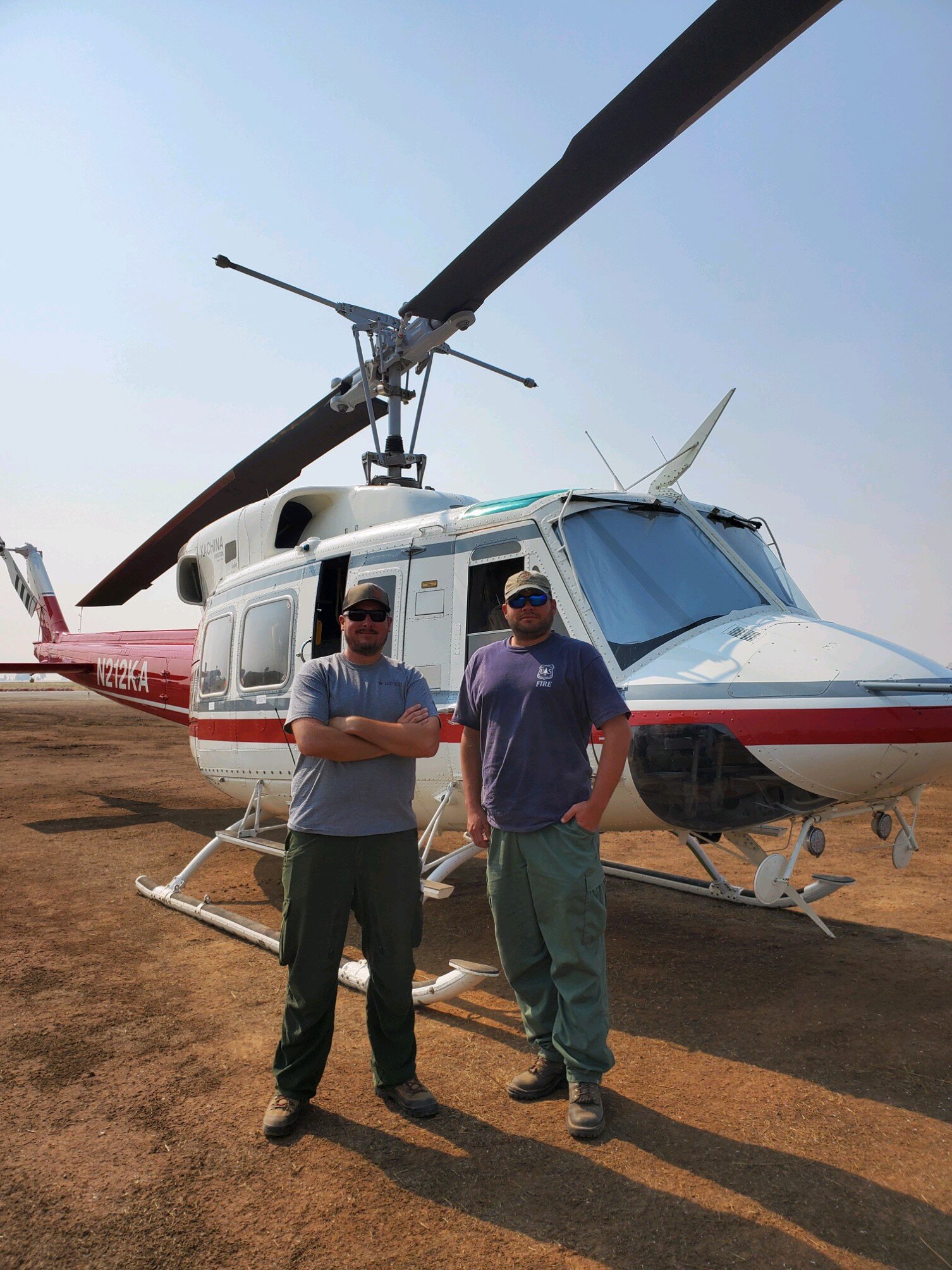
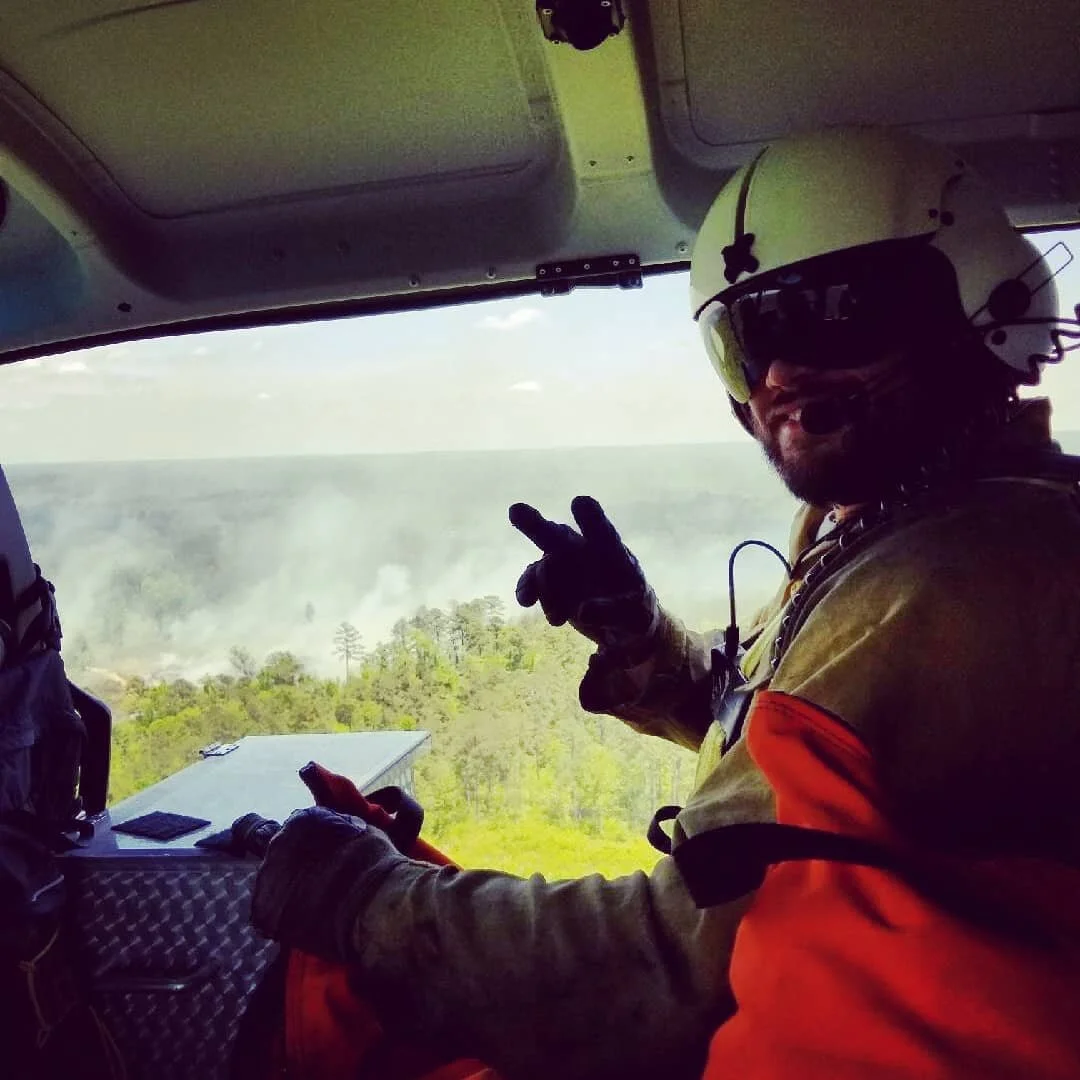
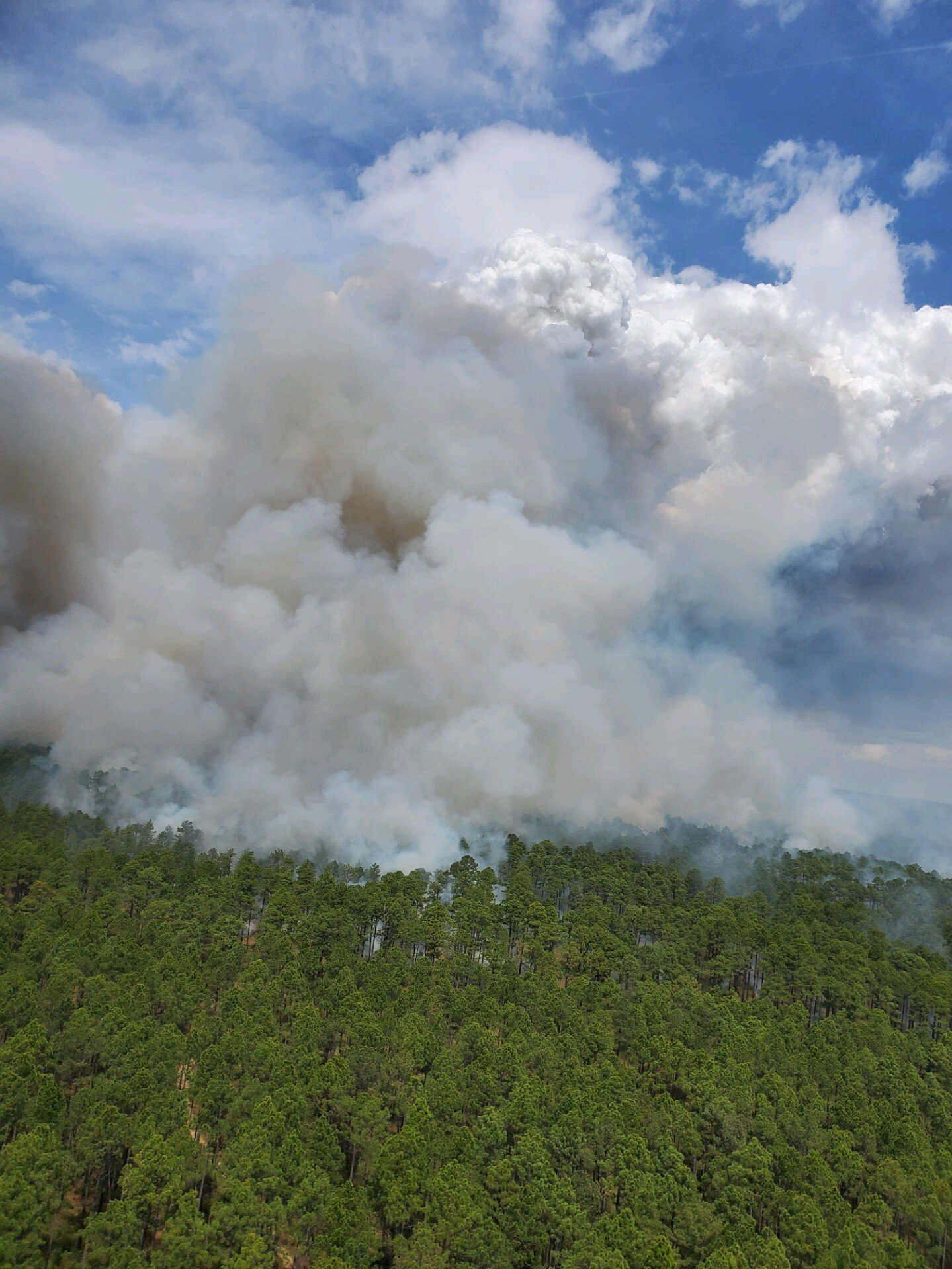
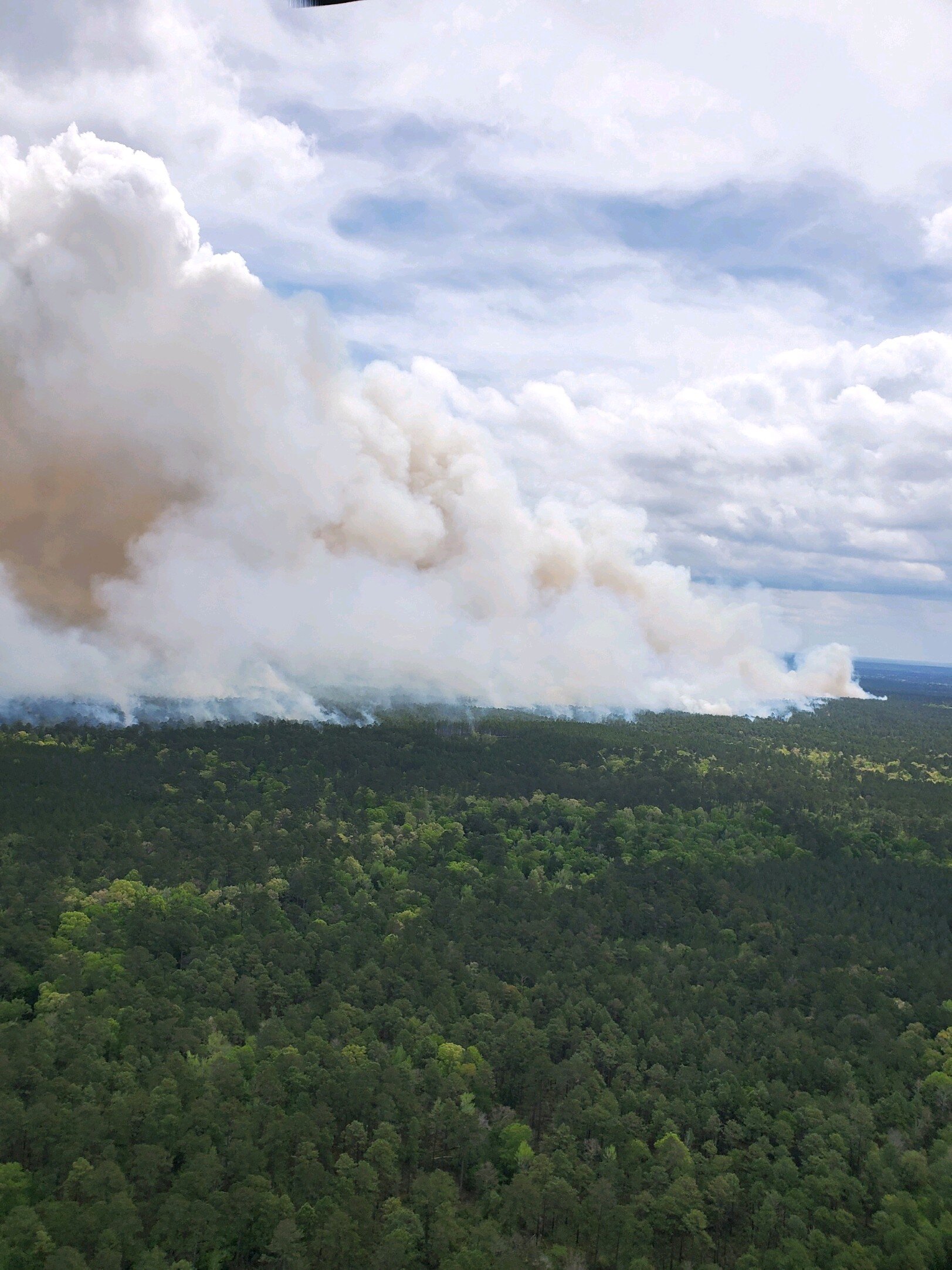
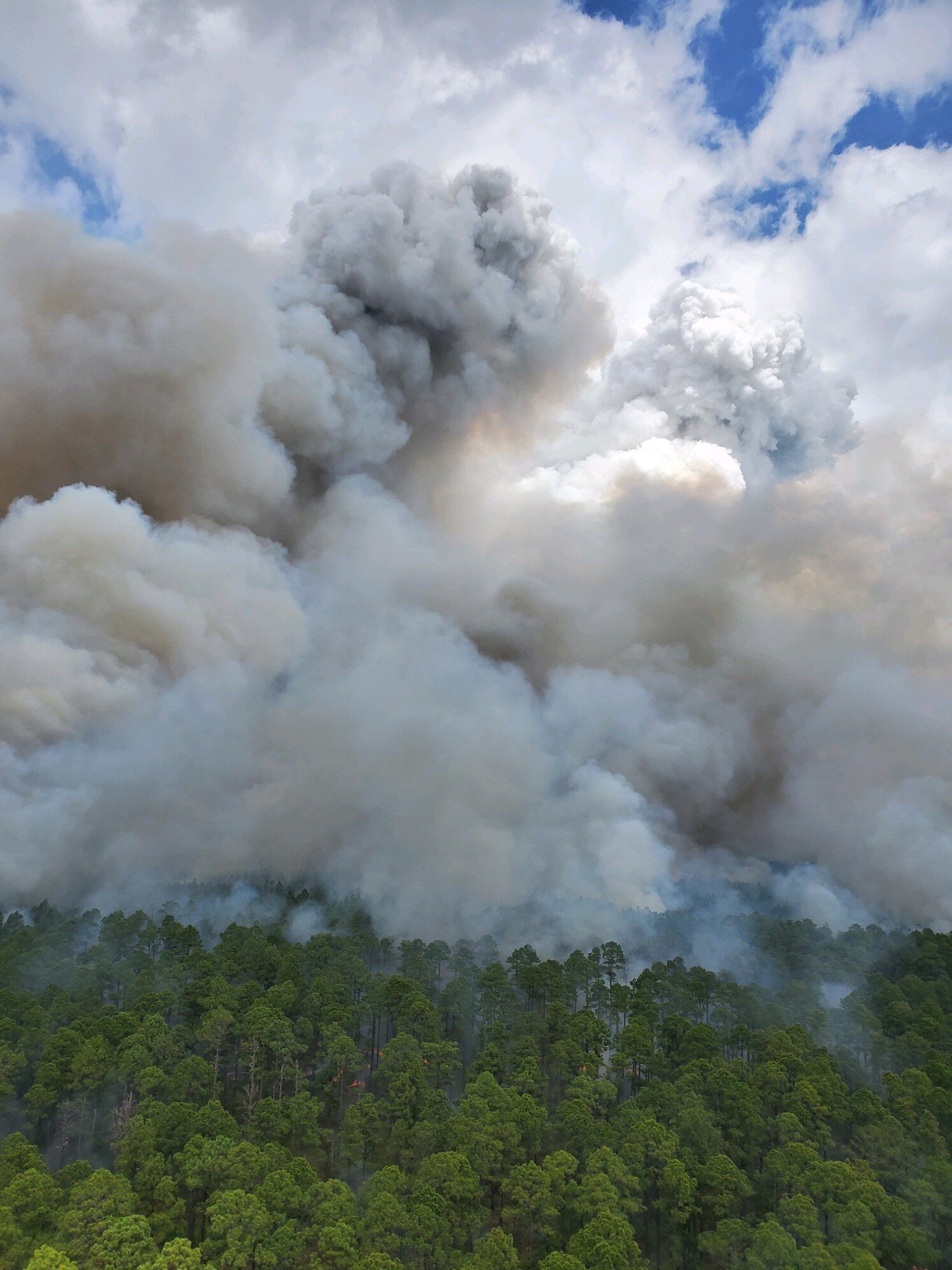
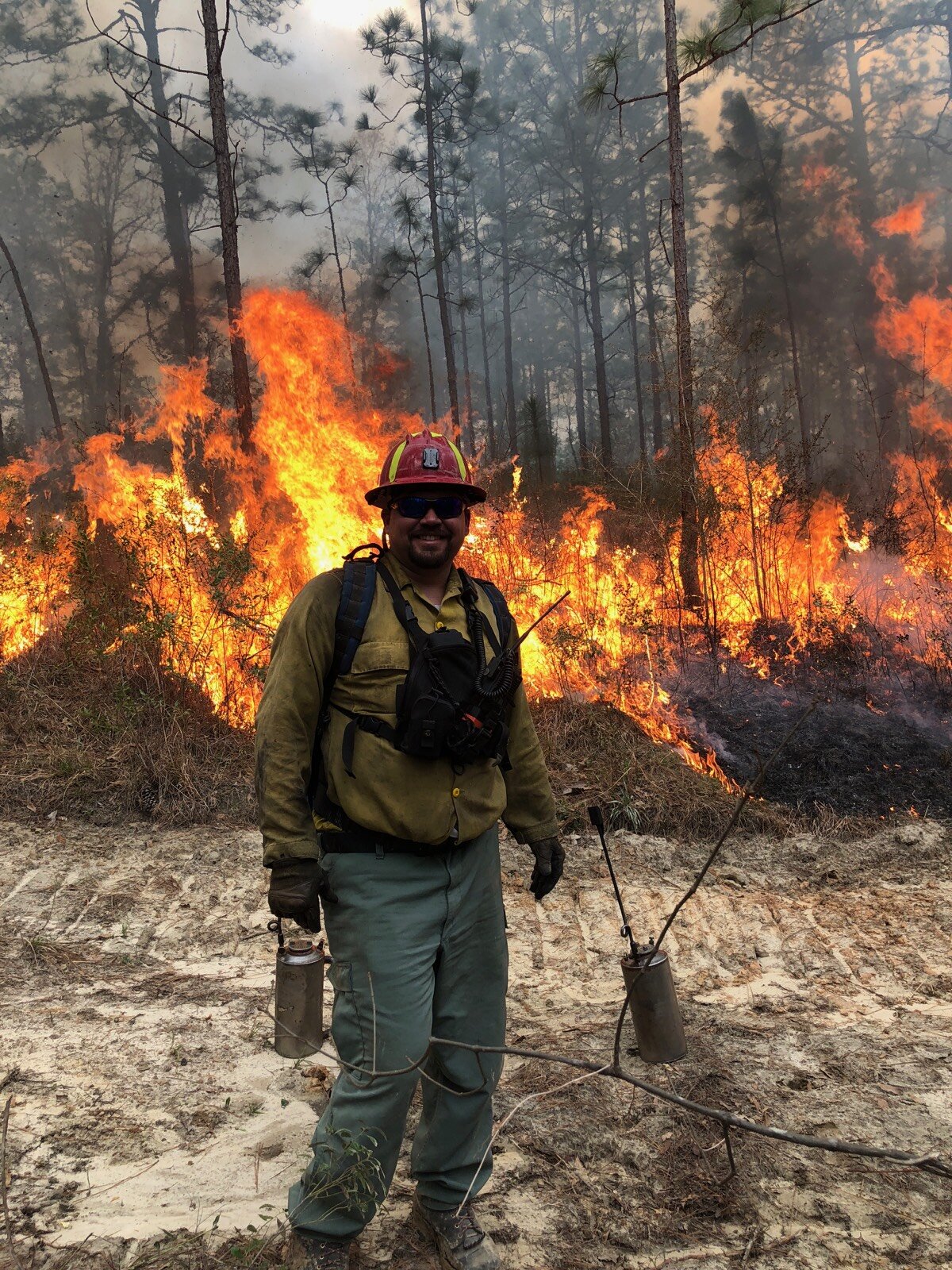
Wildfires do more than threaten our communities, destroy crops, and run-away wildlife, which might supplement some of our food, the fires help the ecology.   Over the many years before we began to strive diligently to stop wildfires from burning up our resources and threatening our homes, fires burned of a large area of the landscaped uncheck by nothing but nature.  These fires often during high periods of fire danger were not as destructive as we see in fires today. The reason fires then were so less destructive was due to the frequent burning that was happening, these fires continually burned up the hazard fuels allowing both fresh undergrowth to come back and be nurtured on the fresh ash.  The fires then before we humans decided to stop the natural wildfires were often less destructive and lead to a healthier ecosystem.    Well let us step into today and talk wildfires today.  Today wildfires are extremely more destructive and growing into the megafires of the past, despite us, firefighters’ best efforts.  The reason for this is due in no small part to hazard fuel build up across the landscape.   I remember the old saying in the United States, “Keep em’ Small, and catch them in 24.”   The saying often used around my agency was meant to keep a fire as small as possible and do our best to have contained the fire in 24 hours.  This philosophy, although going out the door by the time I started, was what lead to our problems, but the agency decided to help solve this huge buildup of hazard fuels and to improve ecology by putting needed fire back on the ground.   

Here is what presents it problem how to put fire on the ground to improve ecology.  To address this issue the fire staff looks at the multiple factors on where and when to put fire on the ground.   First is to find a place that needs hazard fuel reduction and some burning to help improve ecology, (Ask any farmer as they burn their fields to improve production) once an area is determined the fire staff generally starts building control lines same as a wildfire, except they work to exclude infrastructure and any ecological sensitive areas from the fire.  After that the fire staff has to go out and watch the weather, do determine the best time to burn, when fuel conditions provide the best opportunity to maintain control over the fire while also allowing the fire to consume the fuel build up. 

Then comes the impact from the prescribed fire to the local community and to the people working the fire.  The community must be informed of what is happening and why, as seeing smoke start popping up can cause panic.  Also the folks on the ground need both training and a understanding of the different aspects of everything happening that day, from ignition patterns, weather information, safety zones, pressure lines, holding forces, and who and where everyone is along with their role on the fire.   

Successful prescribed fires bring good fire back on the landscape by reducing fuel buildup all while improving the ecology of an area.  Studies and experience have shown that good fires slow or stop the bad fires that we are all used to trying to stop.  Good fire also renews the ecosystem and allows for it’s dead and down to be returned to the soil to promote fresh new vegetation that improves the ecosystem.  Good fire is something we must look into not only to help the ecosystem dependent on natural fires to return nutrients to the soil and clear away old build up but also to reduce hazard fuels making firefighters and communities safer.   
There is no “I” in leader - Leadership in the Fire Service

by: Deputy Chief, Howard Cohen - Bennington, Vermont

Howard has been volunteering with AFM since 2020.   He is the Chaplain and Deputy Chief of the Bennington Fire Department in Vermont.   Additionally, Howard is a Rabbi and Life Coach.   

H.Cohen.jpg


There is no “I” in leader - Leadership in the Fire Service

Around firehouses all over the world, and translated into many different languages, one will hear the phrase “there is no I in team.”  Every firefighter knows that we work together as a team when we are combating our universal enemy, out of control fire.  We even have a name for the firefighter who thinks s/he can do it on their own.  We call them rogue firefighters.  Similarly, when it comes to leadership every team needs to  have leaders, there is “no I in leader.”  A leader is always part of the team.  

Leadership is an earned privilege.  A title does not make a leader.  A title gives you authority and a specific set of responsibilities. As firefighters we are trained to work within a command structure.  We do what we are instructed to do.  A leader, however, motivates and inspires his/her team members to work together toward a common goal.  A leader challenges and inspires us to grow as a person and as a firefighter.
There are many qualities good leaders share.  These include, dependability, reliability, empathy, good listening skills, patience, good communication skills, creativity, positivity, and an ability to teach and mentor.  Above all, a leader must be a person of integrity and vision.  Not every leader is equally strong in all these areas.  But every leader has strong skills in at least some of these areas. 

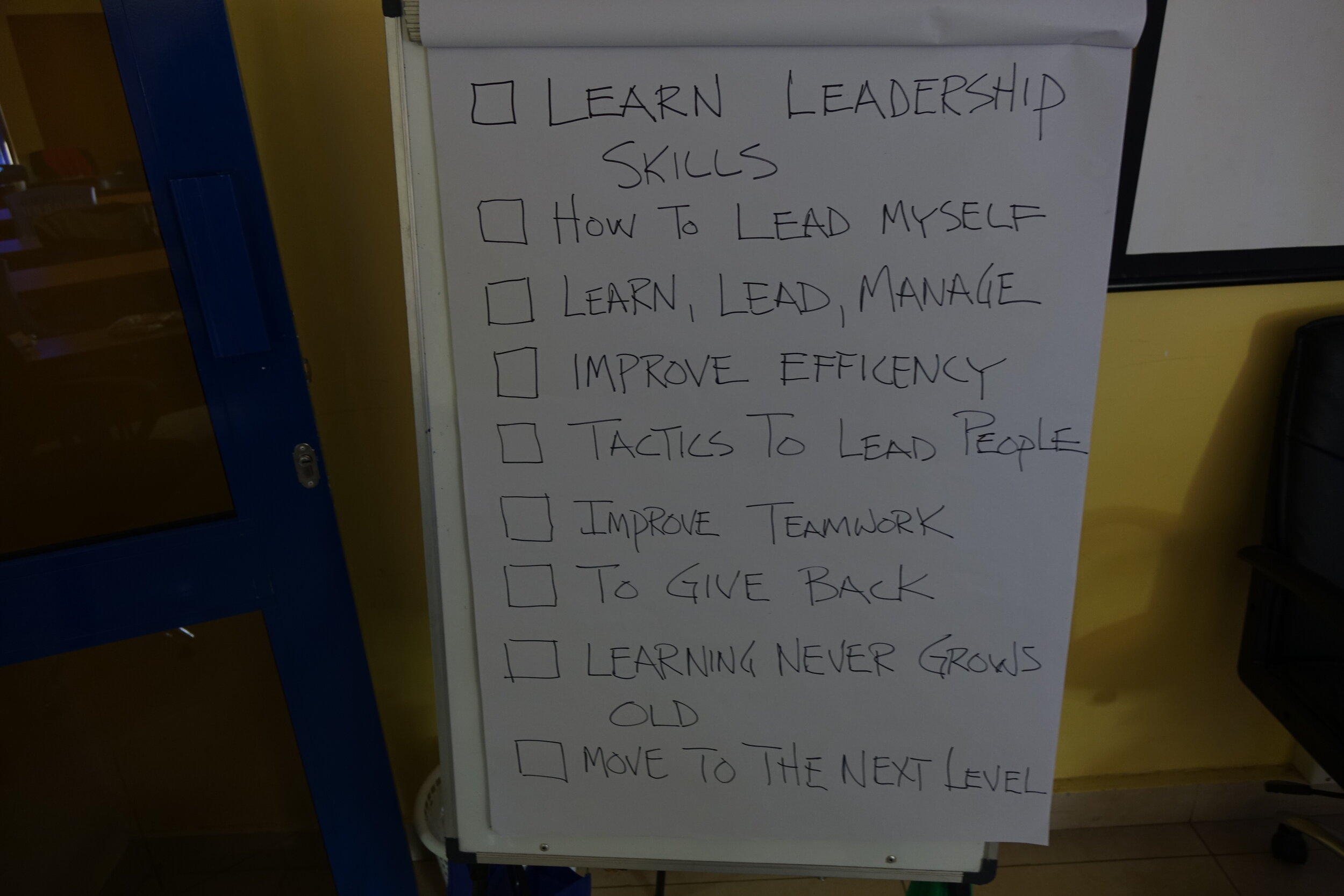
Leadership also involves a set of skills.  Anyone who is interested and motivated can learn leadership skills.  However, knowing how to use these skills is no different than learning any other set of skills. It requires practice, practice and more practice.  Contrary to what some people like to believe, no one is a born leader.  Leaders arise out of a combination of circumstances such as a situation that requires leadership, cultivation of leadership skills and the awareness that this is now your moment to step up and lead.

So how does one acquire leadership skills?  The same way one learns any new set of skills. Find yourself a teacher or mentor.  Read leadership books.  Take leadership training courses. Finally, practice, practice and practice some more, your new skills.  Even if you do not aspire to a leadership role within your department, developing the essential skills of a leader will make you a better and stronger team member. There is no downside to cultivating your leadership potential.

There is also another, less formal way, to nurture your leadership potential.  It is actually a thought exercise. Think of three to five leaders you admire.  These leaders can come from all walks of life and they do not even need to still be living.  You just need to admire their leadership abilities.  Once you have identified these three to five, people ask yourself, “what leadership qualities of these leaders do I admire the most?”  Now seek out ways to develop those same skills within yourself. 

To sum up, effective leadership is about simple things like being a good listener, being honest, trustworthy, humble and recognizing one’s role on the team - how interact with and impact others.  At the end of the day, if your actions inspire others to do more, to be better, and to learn more then you are a leader.

Using Water Efficiently to Put Out Fire

by Edward Collet

Jackson Township Fire Department Firefighter/EMT, Ohio; Ohio Fire Chiefs Association Water Supply Technical Advisory Committee Co-Chair

IMG_7683.jpg

Using Water Efficiently to Put Out Fire

The question of what to do when water is limited has plagued firefighters since the first bucket of water was thrown on a fire.  Early on the full bucket of water was used no matter how many more were available.  All available resources were used to extinguish the fire as fast as possible.  Even before science told us about the need to match the thermal energy released by the fuel with the energy absorption of water, early firefighters knew a big fire needed a lot of water.  Over time firefighters became hesitant to ever run out of water fearing they would look bad.  This lead to low pressure, low flow nozzles (high pressure low flow is another topic) and smaller hose, often a 1” (25mm) “red” line from a hose reel being the weapon of choice to fight most fires.   Fire departments stopped running out of water, but fires burned longer and more property was destroyed. 

All fires go out, they either run out of fuel and/or oxygen, or enough heat is absorbed by water to lower the temperature below the ignition temperature.  The question we must ask ourselves as firefighters is “are we overwhelming the fire with water to cool it or is the fire consuming fuel till the energy is low enough for our stream to extinguish the flames.”  If we are effective in our job, we will put enough water on the fire to absorb all the energy being released and maybe a little more so we are the ones putting out the fire.

I experienced this dilemma first hand.  A call came in for a garage on fire during one of our monthly trainings.  Something like this never happens, a fire when there are enough people at the station to put two fully manned engines, a squad, and the tender on the road.  Unfortunately, the tender was at the other station requiring two firefighters to drive to the station on the north side of the township to retrieve it.  The fire was on the south side of the township, so it would be some time before the extra 3000 gallons (11,356 liters) of water arrived.  Until then we would have to make due with 1,000 gallons (3,786 liters) on one engine and, 1250 gallons (4,731 liters) on the other.  While we were still a distance from the scene a glow could be seen on the horizon letting us know this was a major fire.  When we arrived, command instructed both engines to pull quick attack monitor and hit the fire.  Our quick attack monitor flows 500 gallons (1,900 liters) a minute so our water was gone in roughly 2 minutes.  But the fire was knocked down from a massive inferno to a minor fire.  The building was already a loss when we arrived but using all our water to overwhelm the fire helped to protect nearby exposures.  Had we been worried about looking bad by running out of water a couple 1 ¾” attack lines would have been pulled to put 300gpm (1,135lpm) on a fire needed over 750gpm (2,840 lpm) to quench it.  The fire would have burned much longer placing exposures in greater danger.   

Use the water you have to put the greatest portion of fire out as fast as possible.   Firefighters must apply water in quantities great enough to overwhelm the fire; otherwise we are just wasting water waiting for the fire to burn down to match our fire flows.   Always ask, am I putting out the fire or is the fire burning down to meet my flow.  

It may seem counter intuitive to use higher flows when water will run out compared to using low flow and conserving water.  Putting more water on the fire will put it out faster and protect the exposures.  Train on techniques to stream application to become more proficient at using the available water.  

Stay safe, train hard, and always ask is there a better way to do the job. 

Media and the Role of a Public Information Officer

By Chief Robert Rielage, retired

Chief Rielage is the former State Fire Marshall of Ohio and Fire Chief of Wyoming Ohio. He currently serves the community of Colerain Township, Ohio.

Media and the Role of a Public Information Officer

Have you ever wondered after a really serious fire, why your fire department has not gotten the credit that it deserved for doing a great job of controlling the fire and its spread to other areas?

After a mass casualty incident, whether a major automobile accident, a mass shooting, or a civil unrest where your department played a critical role in medical patient care, have you wondered why credit was not given to the fire department or even worse that no member of the fire department even took part in the press conference?

The answer may be that your department needs to have a Public Information Officer (PIO) – a person authorized by the Chief Fire Officer to make statements to the news media on the roles you play at major fires or medical incidents.  This person must know what can and what cannot be released to the press, but is authorized to comment and give details on the contributions your fire department made by delivering timely professional services to those affected by the incident.

What does a PIO do?  Here is a brief list that can help raise the awareness of the public that you do far more than fighting fires:

1)    In most cases, the PIO is a regular firefighter or fire officer with an outgoing, and friendly nature; the ability to write a simple press release, collect the email addresses or twitter accounts to send releases to news outlets or reporters, and to be able to speak clearly and precisely in front of a camera. (That comes with practice and can be learned – you just have to try)

2)    Being the official spokesperson on major fires, motor vehicle accidents or other emergency incidents who explains the role or roles that the fire service provided.

3)    Being properly dressed when acting as the PIO, either in a uniform or your Personal Protective Equipment (PPE) including at minimum your helmet and turnout coat.

4)    To issue timely fire safety messages in advance of holidays or other celebrations that may bring an increase in fires or other safety hazards to the general public. 

5)    To convey regular safety messages using social media, and keeping the public informed via a – Facebook, Twitter, or other platforms in the name of the fire department.  Examples may be posting after visiting a school to instruct students on safety, or just covering a training session showing firefighters practicing their skills.

6)    Sending out a press release on any honors given to the department or individuals for outstanding service such as a Firefighter of the Year recognition.

7)    To build relationships with other governmental departments, outside agencies such as the Red Cross, hospitals, faith-based organizations and other community or civic agencies interested in the safety or welfare of citizens.

While this may sound like a significant amount of additional work, once the PIO has established his or her self with these individuals or groups, the interaction becomes almost second nature.

By way of example, here is a video of Fire Lieutenant Jonathan Baxter after a recent significant fire along the wharf in San Francisco, California. The fire lieutenant’s comments start at @ 1:16 minute mark, end at 4:40, and then he comes back at @ 8:38 minutes until it concludes. Note as well, his several references to the department’s postings on social media that help explain the tactics deployed at this fire.

Please look at his appearance - he’s dressed in his PPE; his demeanor – very friendly, informative and knowledgeable; and the way he answers questions – by first repeating the question and then giving the answer in clear and concise statements.

https://sanfrancisco.cbslocal.com/video/4562891-fishermans-wharf-pier-45-fire-sffd-news-conference/

What steps can you improve the image of the fire department in your area?   

Reflections on AFM’s first Virtual Fire Training Symposium

Hank Clemmensen Photo.jpg

by: Hank Clemmensen, Board Member AFM; Retired Fire Chief, Palatine Rural Fire Protection District, IL

What a year 2020 has been in the United States, from COVID-19 to the protests and riots to some of the worst Western wildfires and hurricanes in the golf shores.  At times, we forget that it hasn’t been any better in other parts of the world and some of those places are not as prepared to handle these types of disasters.  

This is one of driving forces behind what we do at the Africa Fire Mission, why since 2012 we have traveled halfway around the world to help support the fire service in Africa. I’ve been participating in team trips with AFM since 2015.  During the fall of 2019, I spent more than 5 weeks in Africa working with fire fighters in Zambia and Kenya, sharing leadership skills that I have learned in the United States during my career in the fire service.  As difficult as that was for 5 weeks being in different countries and away from family, I would almost prefer it then teaching virtually.  

Although Kenyans speak English, they prefer to speak Swahili with their own dialytic.  When teaching in person, you pick up quick on their expression when you say something that they don’t understand.  However, when doing a virtual class, not until you get their homework or quiz back that you realize they missed some of main points of the lecture.

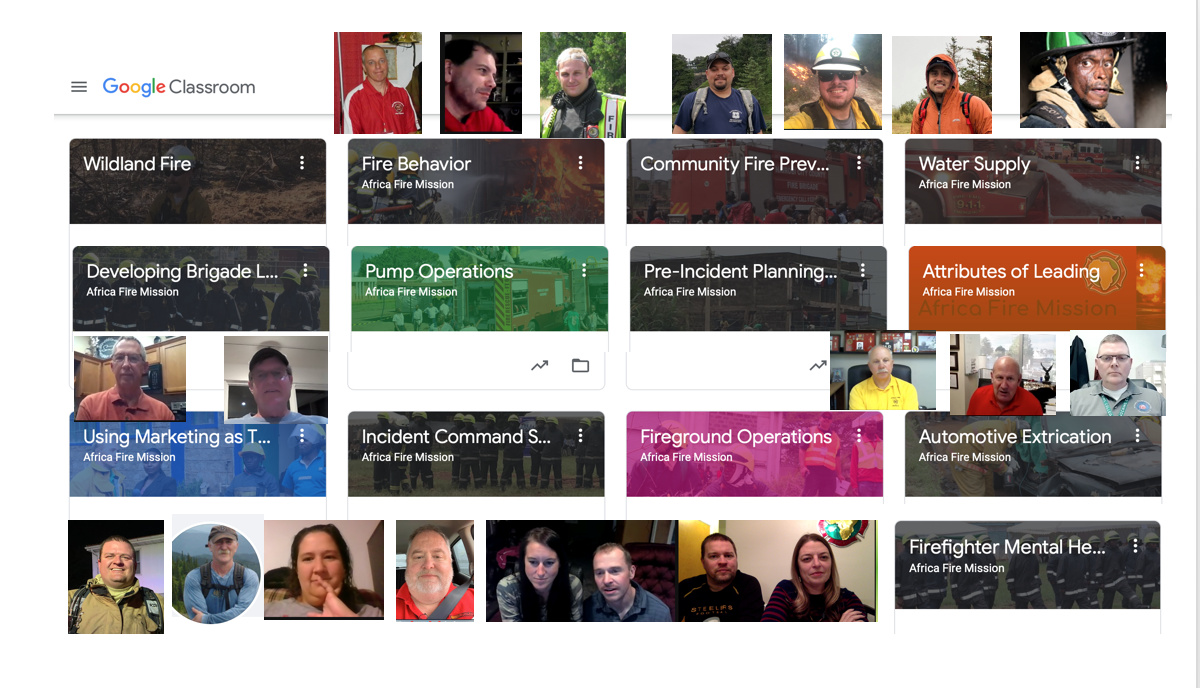
It was not until late summer that the final decision was made that we would not be traveling, and we were going to do a virtual symposium for the firefighters in Kenya.  Now how do we this virtual online training with volunteer instructors, no budget for IT support, little or no experience with putting together a virtual training symposium, and about 4 months to put it all together.  Not to mention the 9-hour time difference and the limited internet access in Kenya.

My first thought was that if my grandkids can do remote learning at home, I should be able to handle one forty-hour class.  A big thanks to Nancy Moore and the hours she put into setting up Google Classroom for this virtual learning.  The first challenge was to learn all I could about Google Classroom, and then figure out how to record the training since it would not be practical to try to do this live with the time difference.  Then of course, editing of those videos we recorded, which was a real learning process.   Let us not forget we had to come up with the class content, quizzes, and homework.  Now I remember why I gave up on secondary education and went into the fire service.

The good news was that most of the instructors for the different classes worked in teams.  I was fortunate enough to have Chief Kevin Milan, with the South Metro Fire Rescue in Colorado and Rick Best from the National Fallen Firefighters Foundation working with me on the Leadership class.  We created are videos with Zoom, which allowed us to have guest speakers join in and with some of my new video editing skills, it looked like we did it all in one take.

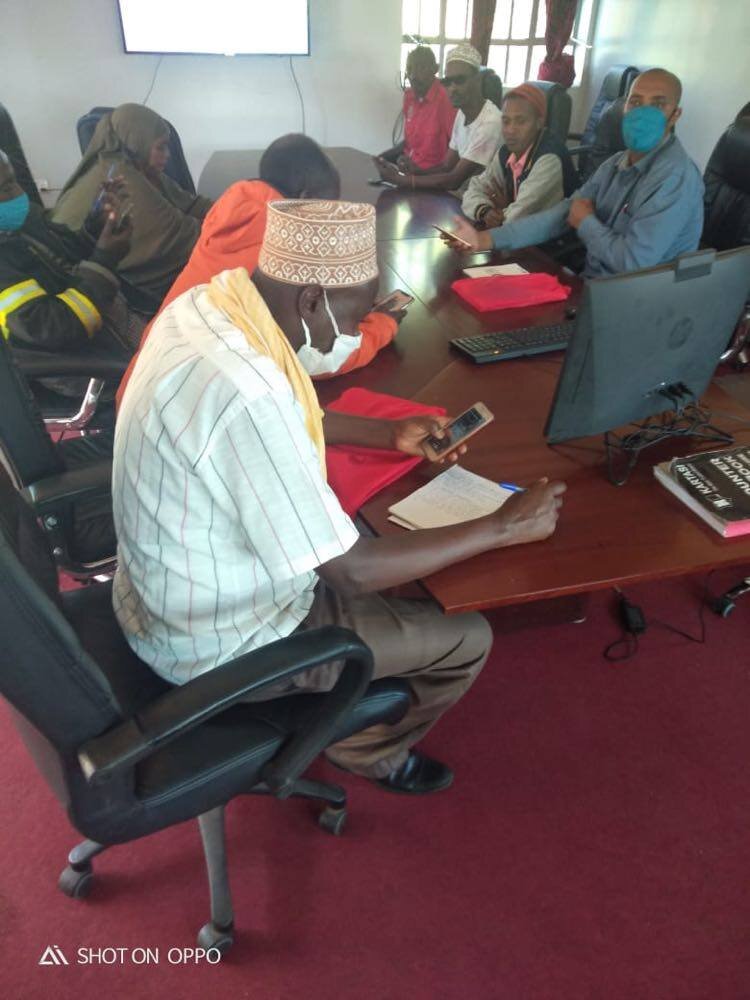
Another big issue was Internet access for our students and having enough band width to play all the videos and being to download the Google Classroom documents.  It appeared that most of the students used their cell phones to access Google and complete their homework assignments/quizzes.  It was amazing to see how hard they worked to make sure that homework was completed and submitted.  Although we may have better Internet access in the US, the firefighters in Africa really have the drive to make the technology work for them.

Being the first virtual Fire Symposium in Africa by Africa Fire Mission with more than 600 students from around the world (more than 16 countries represented), 20 volunteer instructors, and in the middle of a Covid-19 pandemic, I believe it was a great success.  Firefighters in Africa have proven again that they are extremely motivated to continue their mission to learn and improve the fire service their countries.  Every year I make new friends and learn so much from our brothers and sisters in Africa which is why I look forward to returning to Africa in the Fall of 2021.

For more information about AFM’s Mission’s in 2021 check out: Join a Mission

Screen Shot 2020-11-29 at 12.11.26 PM.png

The New Normal:  Virtual Fire Training Symposium 

Errol Sianga, ICT Fire and Rescue, Kenya

14 December 2020

The year 2020 began on an extremely high gear and as in previous years, I was looking forward to having a great and wonderful experience in the world of firefighting.  Suddenly the world was hit by the strange virus known as the deadly coronavirus (COVID-19) that affected and infected many people and countries making the whole world come to a standstill because of the rapid spread and highly contagious virus.

Traveling was impossible and social gatherings were also not happening.  Everyone was restricted and advised to STAY AT HOME, wash their hands with soap and water, sanitize as well and not forget to put on their mask, so that became the NEW NORMAL.

Life took a different turn in which I had to adjust my way of life. The coronavirus was spreading like a wildland fire.  I was trying to be safe and at the same time many countries were trying to figure out what type of a virus it is and the rush to come up with a vaccine started.

At this point, Africa Fire Mission began weekly VIRTUAL classes that were being held each Wednesday.  The weekly virtual classes were very informative and very refreshing. As the weekly classes were ongoing that is when the major announcement was made for the AFM VIRTUAL FIRE TRAINING SYMPOSIUM that was going to be held in the month of NOVEMBER from 16th-20th.  I was so excited and very anxious and looking forward to attending my first ever virtual symposium ever.   So, we were urged to register for the class through GOOGLE CLASSROOM.

The virtual symposium was very exciting with great and very knowledgeable instructors and wonderful reading materials. The sessions were very engaging and not forgetting the HOMEWORK part that was a good indicator to gauge how well I understood the subject and the content being delivered.

The awesome experience I gained from the symposium was a unique one and a memorable one in my firefighting career.  It was also a great networking platform. I have been sharing with my friends and colleagues the materials that I got from the symposium and the notes that I gathered from the symposium. I am looking forward to next year and more virtual training from Africa Fire Mission.

Errol+2020-12-14+at+10.03.05+AM.jpg

AFM Receives Motorola Solutions Foundation Grant

Africa Fire Mission Receives Motorola Solutions Foundation Grant

October 15, 2020

We are pleased to announce that Africa Fire Mission has received a grant from the Motorola Solutions Foundation, the charitable arm of Motorola Solutions. Through the grant, Africa Fire Mission will continue training efforts across Africa with fire training symposiums aimed at increasing the capacity of the fire service in Africa.

AFM’s Executive Director Dave Moore is grateful for this grant award “This funding will allow us to increase firefighter education and knowledge in several developing countries; and in addition to our traditional programs we will be able to focus on COVID 19 prevention as well. Many of our programs have transitioned to virtual due to the global pandemic, so this funding could not have come at a better time to help support these important programs in a virtual format.”

The Motorola Solutions Foundation awards grants each year to organizations, such as Africa Fire Mission, that support and advance education initiatives in public safety and technology and engineering. Additionally, the Foundation has a long-standing commitment to supporting programs that benefit underrepresented populations, including females, people of color, people with disabilities, veterans and others.

“This year, the Foundation’s grants will support programs that help millions of students, teachers, first responders and community members around the globe,” said Karem Perez, executive director of the Motorola Solutions Foundation. “We are thrilled to partner with organizations like Africa Fire Mission that are actively making a positive difference in their communities.”

About the Motorola Solutions Foundation

The Motorola Solutions Foundation is the charitable and philanthropic arm of Motorola Solutions. With employees located around the globe, Motorola Solutions seeks to benefit the communities where it operates. The Foundation achieves this by making strategic grants, forging strong community partnerships and fostering innovation. The Motorola Solutions Foundation prioritizes its funding on public safety education, technology & engineering education, disaster relief, and employee volunteerism. For more information on Motorola Solutions corporate and foundation giving, visit our website: www.motorolasolutions.com/foundation

About Africa Fire Mission

Africa Fire Mission is a 501(c)(3) committed to increasing the sustainable capacity of fire department in developing communities. We accomplish this through training, empowerment, support and encouragement.  Africa Fire Mission leverages our knowledge of the fire service, non-profits, humanitarian development, social justice, public administration, and social work to create unique and innovative transformation in the fire services and communities where we are working. For more information on Africa Fire Mission visit our webpage https://www.africafiremission.org

Mission Critical: Recognizing our Volunteers

On October 10, 2020 Africa Fire Mission during our Annual Fundraiser, Africa Fire Mission was pleased to honor Amelia Smith and Jonathan Seastone.   (watch the 2020 Chama on Facebook >)

Africa Fire Mission thrives on volunteers.   Volunteers are really the heart of our organization.   We have dozens and dozens of volunteers. We have volunteers from all across the United States, Africa and Europe that help to make AFM run on a daily basis.   In 2019, Africa Fire Mission logged 8851 volunteer hours!   These men, women, firefighters, civilians and children are all a vital part of Africa Fire Mission being able to achieve its goals and objectives. 

Screen Shot 2020-10-10 at 4.06.33 PM.png

Amelia Smith – Volunteer of the Year

Amelia is resourceful, relentless, takes on tasks with little direction, helps us to implement new projects that expand our mission.   Amelia traveled with LifeSpring Christian Church and Africa Fire Mission to Kenya several years ago and since then has been a dedicated volunteer along with her husband, Andy.  Thank you Amelia for all that you have done and all that you will do for Africa Fire Mission and those that we serve around the world.  Amelia says:  “It has been great to watch Africa Fire Mission grow and adapt through the years.  I’m grateful to be able to support AFM behind the scenes.”

When Africa Fire Mission travels with a team to provide training in Africa or other parts of the world, our team members volunteer their time, talents and treasures to provide world class training to our partners.  Our instructors, undergo training in advance of the trip to prepare of the mission and prepare the lessons that they will teach in our week long fire training events.   We have been fortunate to have many instructors return year after year and continue to build each year on the training that they have been providing as well as to build strong relationships with firefighers and our overseas partners. 


CO+team.jpg

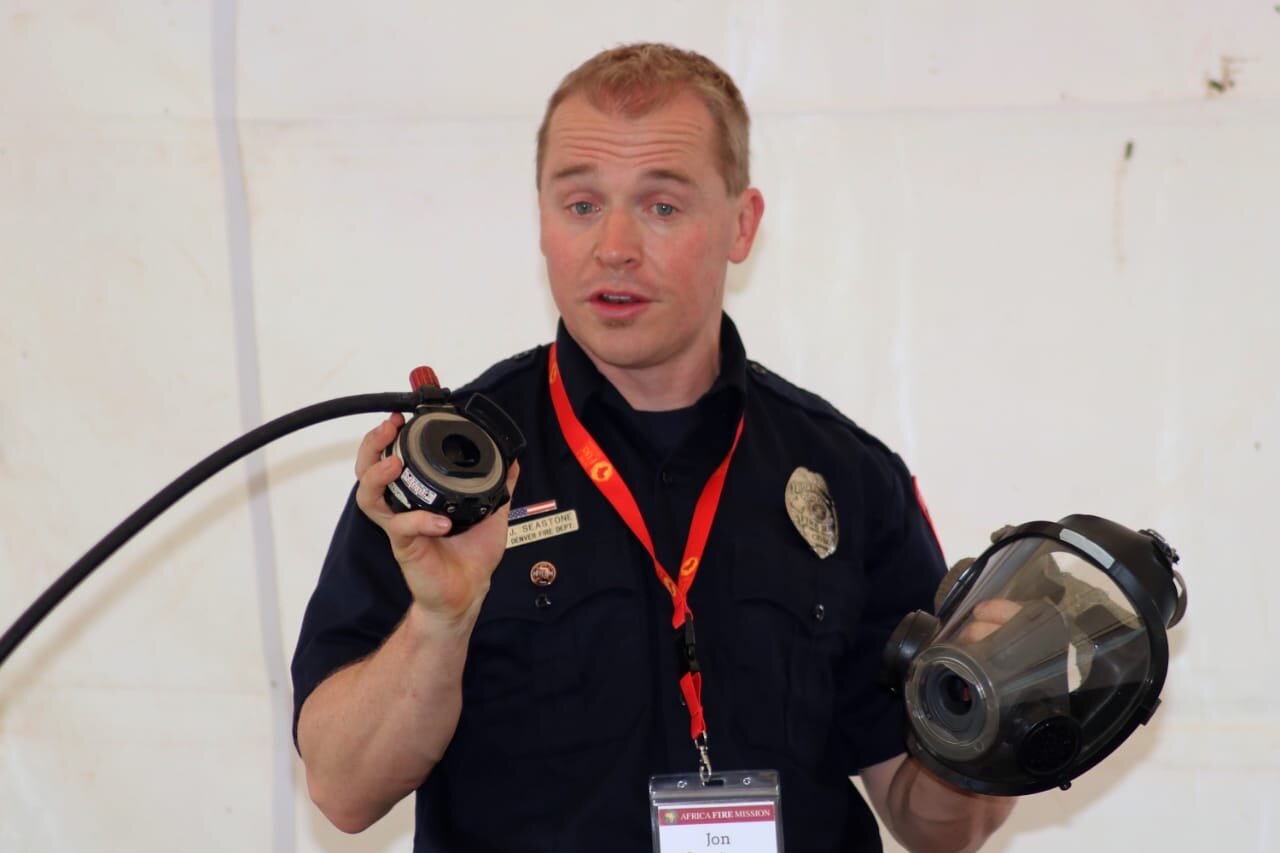
Jonathan Seastone, Trainer of the Year Denver Fire Department –

Jon has gone above and beyond the call of duty.  He has been on multiple missions and has recruited instructors for our work in Kenya, Zambia and Ukraine.   He has led new instructors to challenge themselves to teach the right material at the right level for the firefighters we serve.   Jon pushes and encourages the firefighters he teaches at our training events to push themselves beyond their limits, to be stronger than they think they are.   Jon is not afraid to hold Chief Fire Officers, in the countries where we serve, accountable for safe and advanced training for their firefighters so that their firefighters are able to serve their communities and to protect themselves from the dangers of fire. Jon and his wife Shandy, who serves as AFM’s volunteer Mission Teams Coordinator, have both helped to grow AFM’s programs in countless ways.   Jon says: “With every trip I’ve wanted to something bigger (with the training) and we are accomplishing that.   This award means alot.” 

Interested in volunteering with AFM in administrative roles or as one of our international instructors?

Importance knowing the Fire Department Emergency Contact

By Kelvin, Seru Kenya EMR

Picture how you would react in your local area, home, learning institutions, office or work one day when a fire broke out and you hadn’t the faintest clue where to start, what to do or who to contact about the situation. Imagine running to the area local administrator, manager or director’s office to obtain a point-of-contact information about the fire department only to be told there is none available.

Or maybe you are headed home and a fire broke out. Concerned bystanders try to help and would like to contact the Fire and Rescue Services but no information is found. This is often the case for many in Kenya, Africa.

Fire emergency contact information and numbers are very important for every individual, institution and organization to know, yet it is easily overlooked and forgotten by many—both employees and managers. Fire emergency contacts are the phone number or numbers for your local Fire and Rescue Services (access emergency numbers for Kenya here) . It is also important to know what to say when you call, using 4WCT.

W- who you are

W- what you need

W- what happened or is happening

W- where the incident is

C- confirmation of the information

T- time the incident took place

It is important to ensure each employee, local community group or volunteer, organization, institution, and office has accessible, well-written fire department emergency numbers placed at every corner; and also an action plan which indicates a step-by-step procedure of what to do in case of a fire outbreak. Also, having individuals who are trained as fire marshals in your local community, company, organization or institution will help in a long way.

From experience, it is also advisable for every County’s fire service to have a toll-free Emergency number for everyone in the community to reach them.

Most of the time the fire department would respond to a fire late due to the delay in contacting the fire department. As a result, the fire engine ends up being stoned by the local community and even at times even stealing items from the fire engine. Community members tend not to understand our response time starts from the time we receive the call but not when the fire starts. It is critical that we educate community members on the local contact numbers (see Kenya fire brigade numbers here)

For every individual, community volunteer, organization head, and institutional management: please make this a part of your monthly announcements to your employees and the general public the importance of having with them their respective area’s fire department emergency numbers, which will make it easier for everyone to reach First Responders.

As a Chinese proverb says, “Better a thousand times careful, than once dead”, so please do what you need to do to be safe, rather than sorry.

#TogetherForSafety