
By: Brad Banz-
Retired Fire Chief, Colwich Fire Dept., Retired Captain Wichita Fire Dept.
Unfortunately, as firefighters we are learning that a serious challenge we all face is cancer in the fire service. As time and research progress, we are starting to learn how serious that threat really is to our health and wellbeing as firefighters.
A comprehensive study was conducted by the U.S. National Institute for Occupational Safety and Health, also known as NIOSH. This study was conducted on nearly 30,000 firefighters who were employed by the Chicago, San Francisco and Philadelphia fire departments over a period from 1950-2009. These fire departments are some of the largest in the U.S. The study compared cancer rates of their firefighters in specific age groups and by race to the same age groups and race to comparable civilian populations in the same regions. The study concluded that the firefighters had greater rates of digestive, oral, respiratory, and urinary cancers than their civilian counterparts. According to the International Association of Firefighters, the labor union which represents many career firefighters in the U.S. and Canada, 66 percent of all firefighter line of duty deaths between 2002 and 2019 in the U.S. and Canada were cancer related.
This evidence shows that cancer is a concern among firefighters. Over our careers we are repeatedly exposed to many known cancer-causing agents and unknowns which evolve in the combustion process. Since we can’t avoid being around these contaminants, I would like to discuss ways of lessening exposure, and perhaps decreasing our cancer risk.

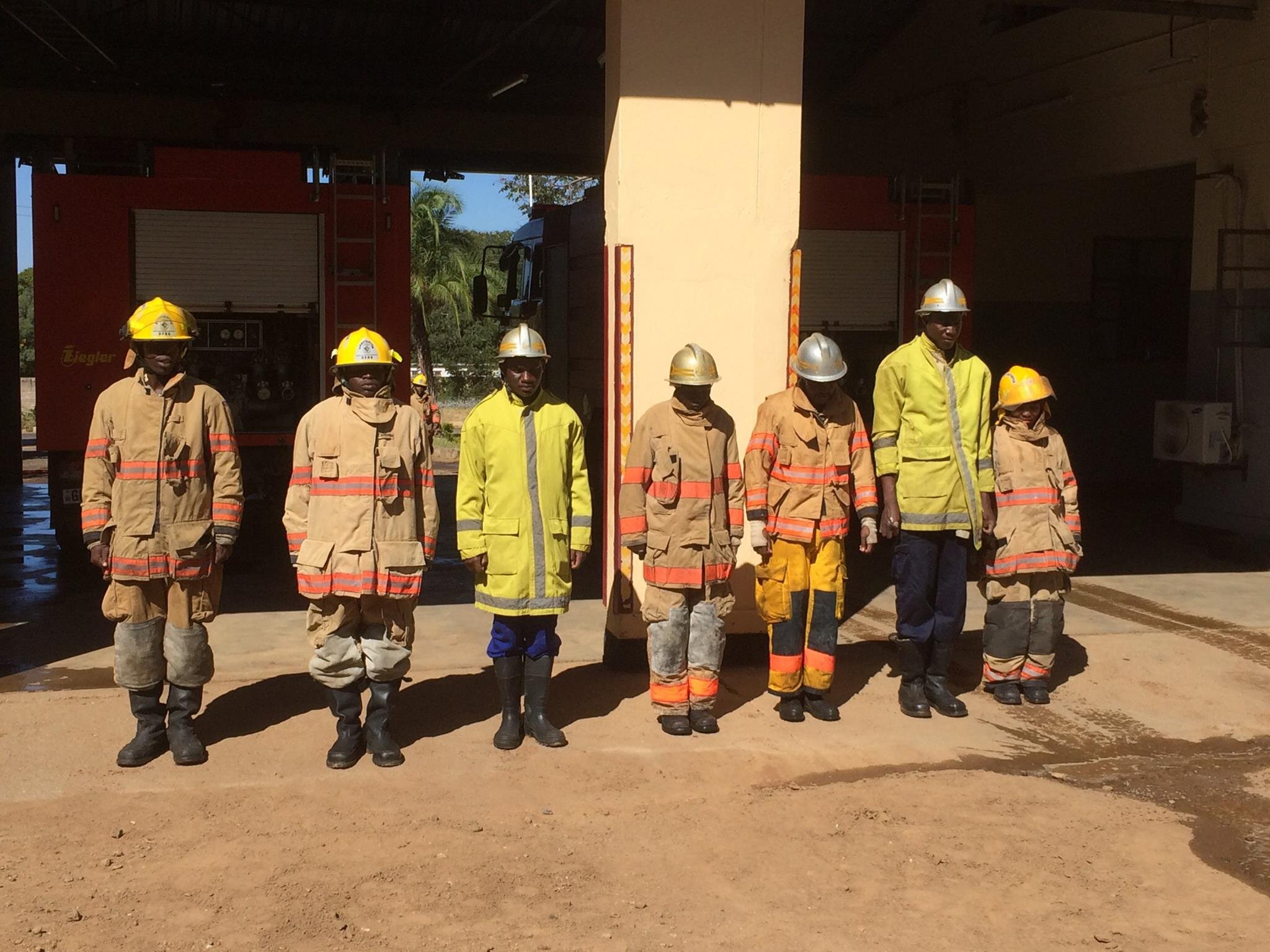
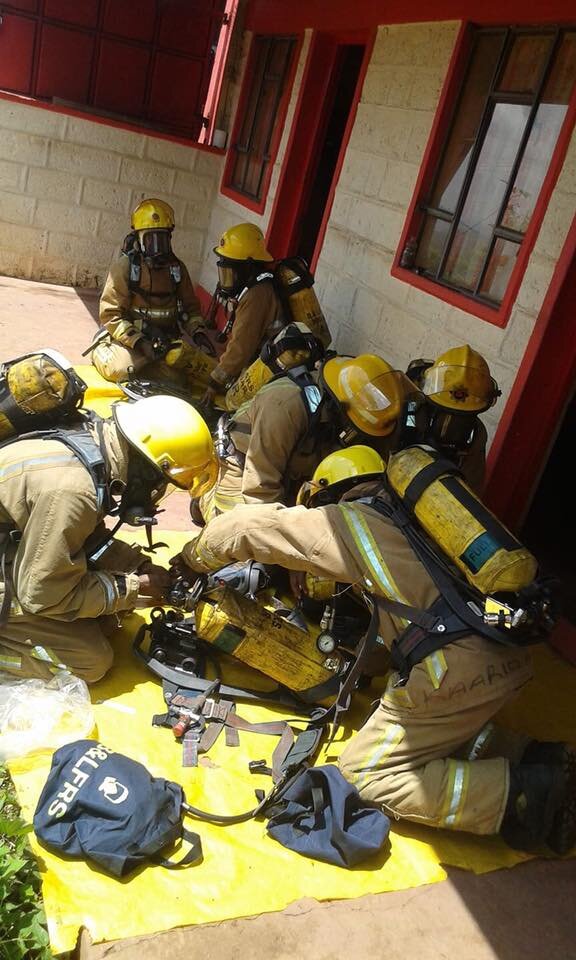
The first thing we can do is to keep ourselves clean. The chemicals in the grime that ends up on our skin are the chemicals that can cause cancer. The sooner we wash, the better. While on the scene, rinse hands and face upon completing work. Some firefighters have wipes. If so, use them. Upon returning to quarters and having all equipment readied for service, shower or wash as soon as possible. Concentrate on face, throat, armpits and groin area especially.
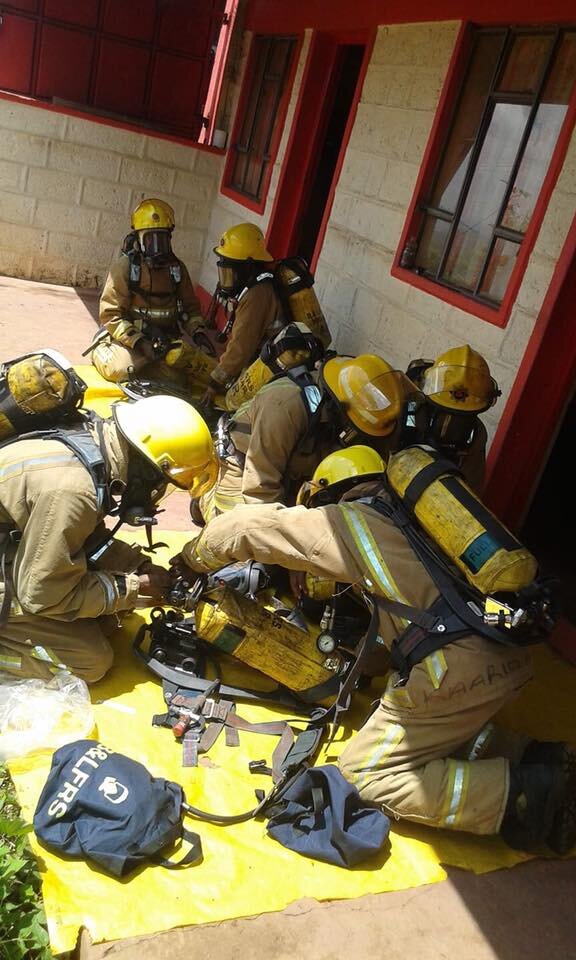
Another thing we can do is keep our PPE clean. Brush off loose debris at the scene and rinse away excessive grime on the scene. Thoroughly rinse PPE at the firehouse to remove as much debris as possible. Although many fire brigades may not have gear washing machines, for brigades which are fortunate enough to have a gear washer, launder gear according to manufacturer’s recommendations. Whether laundered or rinsed, gear should never be dried in the sun. Something that is often overlooked is our helmets, and admittedly, mine is dirty. Helmets should be cleaned with soap and water only, as other cleaners could harm the shell.
Let’s talk about some rules for storage and transport of PPE. Many firefighters like to keep PPE in sleeping quarters to have quick access during nighttime hours. This is an unsafe practice. When not responding to emergency calls, PPE should be stored in outside apparatus compartments while travelling. Passenger compartments should also be cleaned after responding to a fire to remove all products of combustion.
Cancer is an unfortunate reality of our careers in the fire service. Because of the substances we are repeatedly exposed to, we need to do whatever we can to lessen the risk. Hopefully these ideas for personal and PPE cleaning, and safe storage and transport of PPE will be valuable. Stay safe out there.