
by Rabbi Howard A Cohen, Deputy Fire Chief (ret.), AFM Virtual Training Coordinator
Moral trauma, often called moral injury, refers to the deep psychological, emotional, and spiritual distress that results from actions—or the lack of actions—that violate a person’s core moral beliefs and values. Although it is commonly discussed in relation to military veterans, moral trauma can affect anyone. First responders, healthcare workers, law enforcement officers, and even civilians may experience it when they are involved in situations that conflict with their ethical standards.
Unlike post-traumatic stress disorder (PTSD), which is primarily driven by fear-based reactions to life-threatening events, moral trauma centers on guilt, shame, and a sense of betrayal. A person may feel they have committed, witnessed, or failed to prevent acts that go against their moral code. In some cases, individuals may feel betrayed by leaders, institutions, or systems they trusted, which can deepen the emotional wound.
The symptoms of moral trauma can be intense and long-lasting. Common emotional symptoms include overwhelming guilt, shame, anger, sadness, and feelings of unworthiness. Individuals may struggle with self-forgiveness and experience persistent negative thoughts about themselves. They may withdraw from family and friends, feeling disconnected or undeserving of love and support. Spiritually, some people question their faith or sense of purpose, leading to an existential crisis.
Behavioral symptoms may include avoidance of reminders of the event, social isolation, substance misuse, or self-destructive behaviors. Physically, moral trauma can contribute to sleep disturbances, fatigue, and chronic stress. Although moral trauma is not a formal mental health diagnosis like PTSD, it often overlaps with depression, anxiety, and PTSD, making it important to address in a comprehensive way.
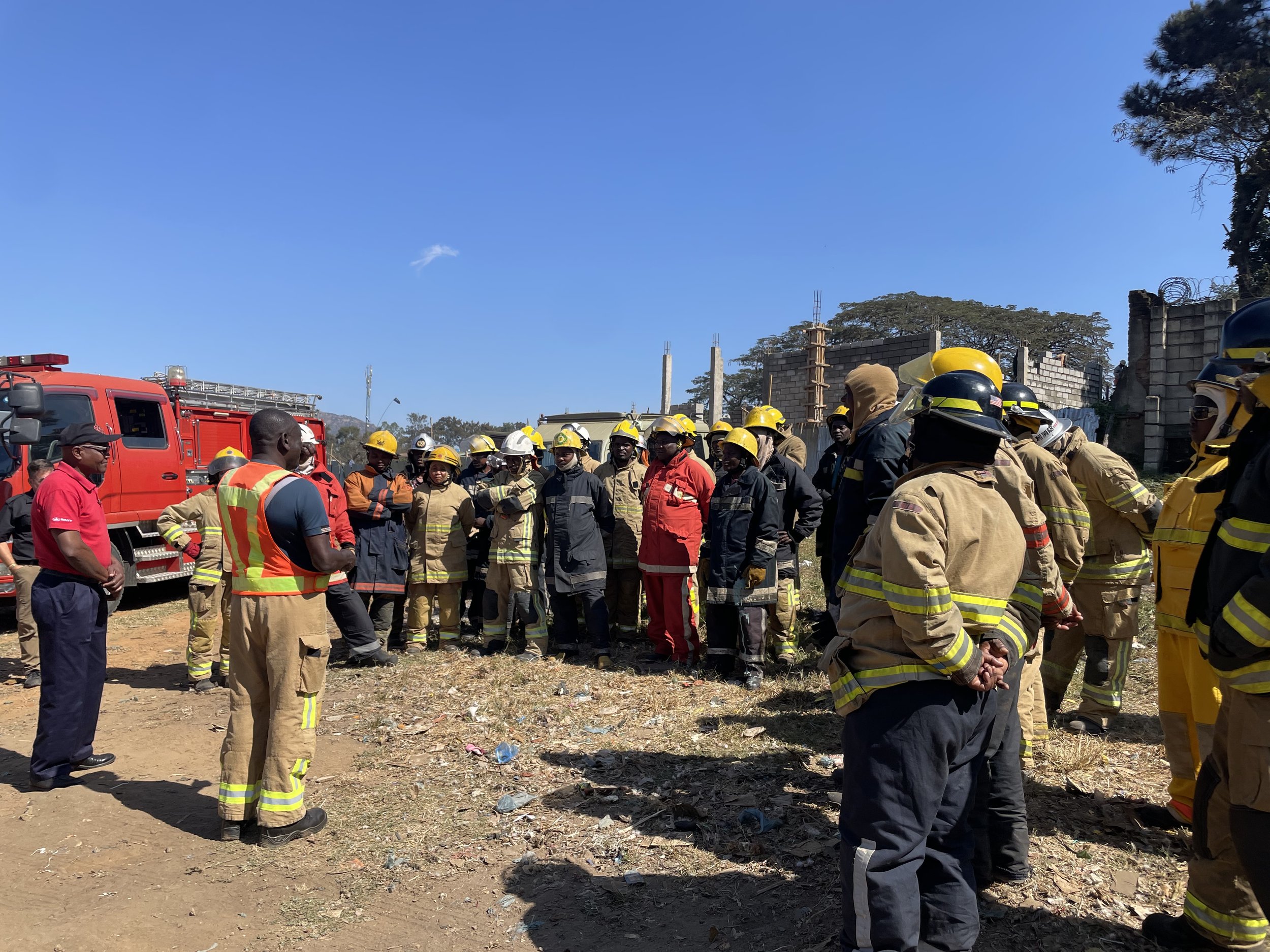
Connecting with members of your community is one focus in treatment for moral trauma.
Treatment for moral trauma focuses on restoring a sense of meaning, connection, and self-forgiveness. Therapy is often central to recovery. Trauma-informed counseling provides a safe space to explore painful memories and emotions without judgment.
Group therapy can also be powerful, especially for veterans or first responders who benefit from sharing experiences with others who understand similar challenges. Peer support reduces isolation and fosters empathy and validation. In some cases, spiritually integrated therapy or pastoral counseling can help individuals reconcile their experiences with their faith or belief system.
Self-care practices, including mindfulness, journaling, physical exercise, and community service, may also aid healing by promoting reflection and reconnection with personal values. Ultimately, recovery from moral trauma involves rebuilding one’s moral identity, learning self-compassion, and finding renewed purpose.
Moral trauma is a profound but treatable form of suffering. With understanding, support, and appropriate care, individuals can move toward healing and reclaim a sense of integrity and hope.
Howard joined the fire service in 2001 to serve as chaplain of his local fire department. Twenty years later he retired as his department's deputy chief. Howard planned to join Africa Fire Mission on a trip to Zambia but Covid interrupted those plans. He has since traveled twice to Kenya with AFM. He is regular AFM blog contributor and webinar instructor. Outside of the fire service, Howard serves as rabbi to Congregation Shirat Hayam in Duxbury MA. He also has a leadership and mental fitness coaching practice.