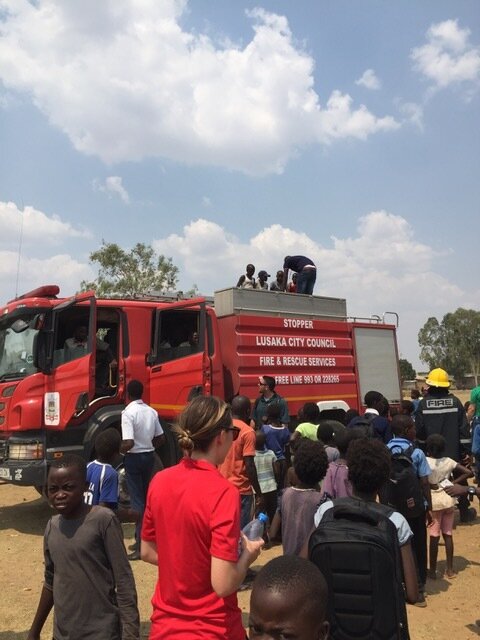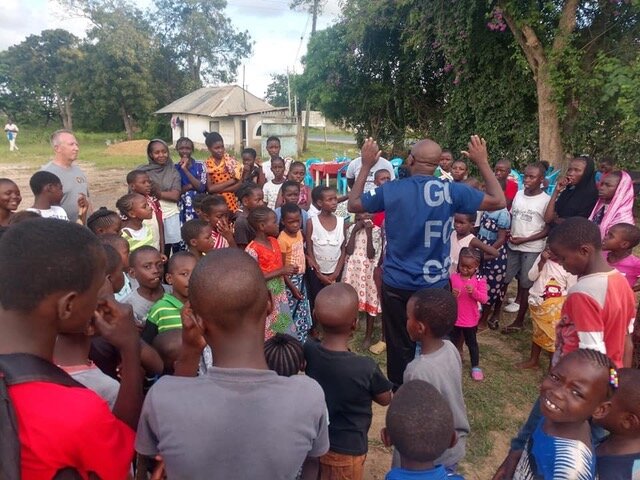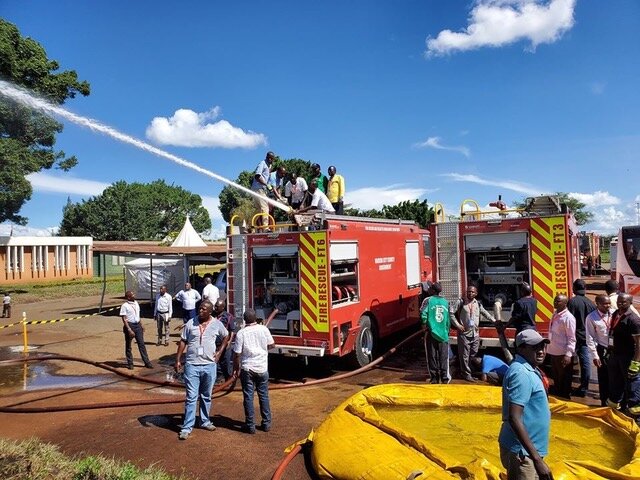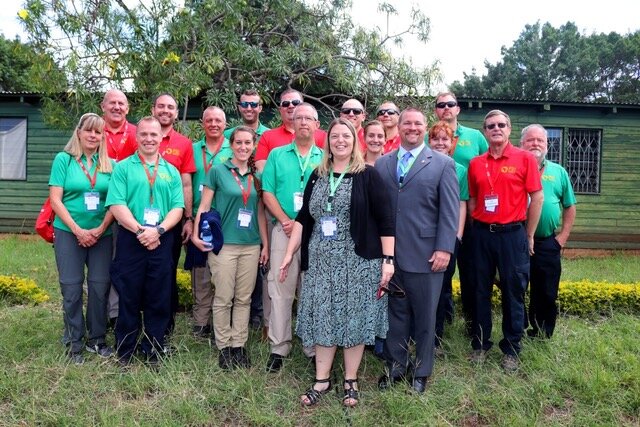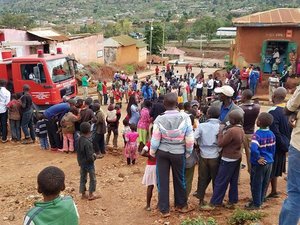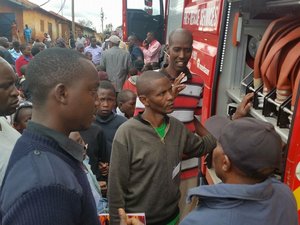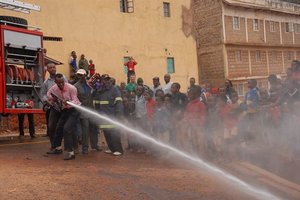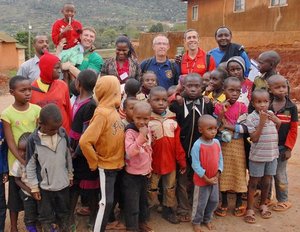
Kenya

Recommendations for First Responders Responding to the COVID-19 Pandemic in Africa and other Developing Nations

by: Brad Banz- Retired Fire Chief, Colwich Fire Dept., Retired Captain Wichita Fire Dept.

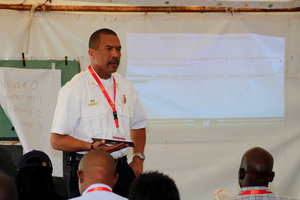
Last November when I was in Kenya with Africa Fire Mission, I delivered training on responding to mass casualty incidents and response to biological and explosives terrorism incidents.  Who knew that only a few short months later that we would be dealing with a pandemic situation that in many ways parallels what we might expect in a biological incident.  I am not an expert on COVID-19, I don’t think anyone is, it is a rapidly changing situation.  I would like to try my best to offer a few suggestions that may help deal with this crisis.    I actually have several things to discuss, so let’s get started.

SYMPTOMS: 

The first thing we need to talk about are the symptoms of COVID-19, or the Coronavirus, as some are calling it.  The most common symptoms are a high fever, dry cough and tiredness.  Severe cases will develop into difficulty breathing, usually some type of pneumonia.  There are certain groups of people that should be protected as they are at a higher risk of contracting the disease and developing more severe symptoms.  High risk groups include the elderly, those with heart conditions, high blood pressure and diabetics. Also, anyone with already weakened immune systems are at high risk.

PERSONAL PROTECTIVE EQUIPMENT (PPE):

COVID-19 can be spread very easily.  It is important that you protect yourselves.  One of the most basic things you can do is hand washing.  Use hand sanitizer often and hand washing often.  Wash your hands for 20 seconds using soap and clean water.  My other safety concern for all providers is wearing protective equipment.  I know for many of you it will be a struggle.  Even in the US there is a shortage of proper PPE.  In this regard, I have been praying for all of our responders to be provided with what they need. PPE necessary to protect you and it can help to protect in spreading COVID-19 to other patients.  Please wear disposable gloves, eye protection (a face shield would be even better) and if possible an N95 mask.  These are at the very least.  If you have a patient that is coughing and especially if you don’t have the N95 masks or adequate protection for yourself, at least try to place a regular dust mask, an oxygen mask if you have one, or have them hold something over their mouth to keep their cough contained.  If you have access to gowns, please dawn them as well.  Firefighters, if you are responding and you have a patient with COVID-19 symptoms, wear your PPE, including your breathing apparatus if you don’t have a proper mask.  Firefighter PPE should be properly decontaminated at the end of the incident.   If you do not have access to PPE as a responder, consider the risk and the ways that you can protect yourself as best as possible – for instance, change your clothes after responding to the incident, wash contaminated clothing and take a hot shower as soon as possible.

TRIAGE:

Triage is going to become an important part of managing patients as we work our way through this crisis.  You will not only be doing triage in the community on emergency scenes, but as the number of patients increase and resources become limited at the hospitals, triage will be more important there as well.  Proper patient assessment and triage in the COVID-19 crisis is also essential to help keep COVID-19 patients isolated from other patients and hopefully keep the disease from spreading.  For those workers who are assisting in the hospital setting, it is essential to establish triage on the very front end of the emergency department or hospital entrance.  This is important so as to be able to triage and isolate potential COVID-19 patients away from other patients as soon as possible.  EMS workers who are delivering patients in from the streets by ambulance, if you have a patient that is exhibiting symptoms of COVID-19, please take all safety precautions and advise the emergency department on arrival of a suspected COVID-19 patient so they can take proper precautions with PPE and isolate the patient.  

Concerning triage priorities, please use normal triage priorities for all medical patients, here is a quick review of color coded triage priorities:

·       black is obvious deceased or in a mass casualty incident a victim who is not breathing who is declared deceased because of resources. Remember in normal situations when you have the resources (manpower) you may attempt resuscitation on a non-breathing patient. If you don’t have resources they are to be triaged black.  

·       blue is pulseless and not breathing but is not used in mass casualty incidents; 

·       red is for critical patients who are suffering from potential life threatening illness or injury and is usually indicated by airway, breathing or circulatory distress; 

·       yellow patients are patients with potentially serious medical or trauma, but who are stable and can be delayed but still need care at the emergency room.  

·       green patients are non-life threatening emergencies.  

A NOTE TO EMERGENCY MANAGERS:

You are a big part in helping out with getting through this crisis.  If not, Fire or EMS managers may have to take dual roles.  Emergency managers, it is your role to make sure that everyone works together with the end goals being to stop the crisis from getting bigger and taking care of who are sick.  Emergency managers you will need to appoint a team to coordinate all that is involved.  One of the biggest concerns that you will have as the situation grows is medical professionals.  You must coordinate with the medical facilities and the government to make sure that you have proper staffing and that they are in the right places.  The same goes with ambulances.  You must work with the ambulance services to coordinate their care levels and transport destinations so hospitals aren’t overloaded.  What facilities do you have available and what is their care level?  Will you need to need to make temporary facilities for the overflow or for isolation?  Is an option to make temporary facilities near informal settlements?  Logistics is a big issue.  You have to make sure that everyone has the supplies and equipment that they need.  Consider how you will integrate with all levels of government, private industry.  Think about coordinating with agencies such as the Red Cross, the UN, local community groups, community leaders and NGOs.  

COMMUNITY SENSITIZATION: 

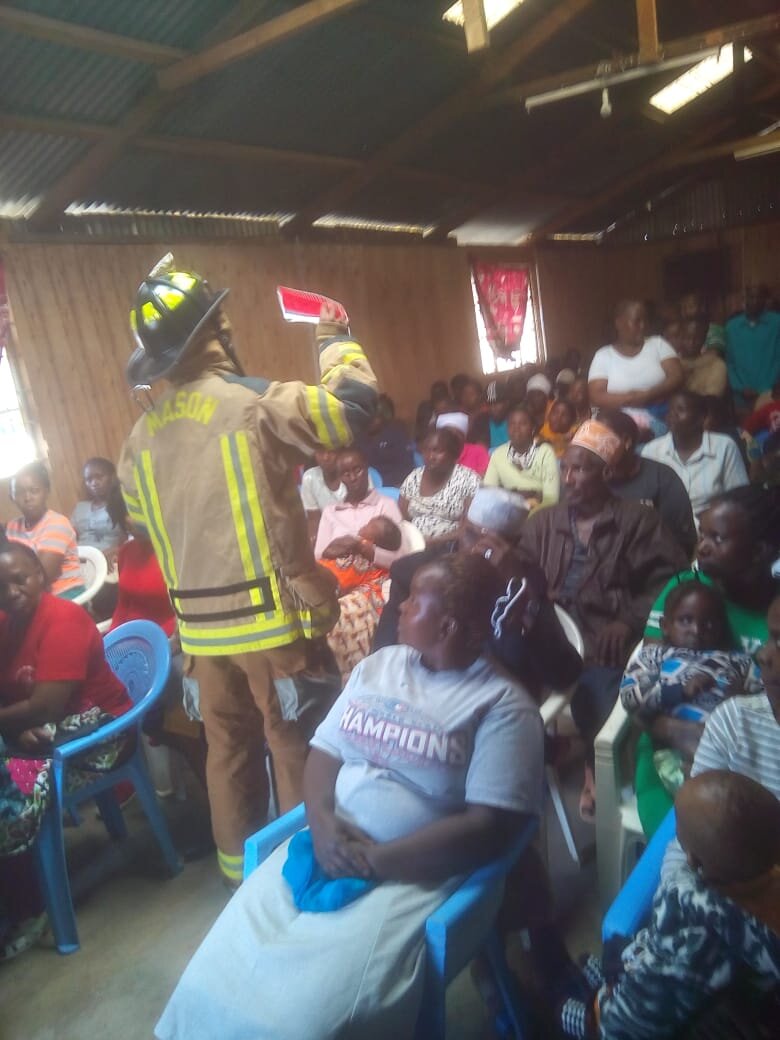
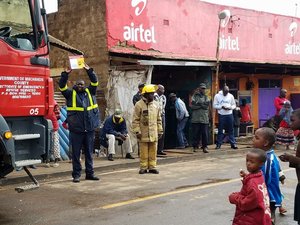
Community involvement is of utmost importance.  Africa Fire Mission has been deeply involved in promoting community sensitization through the fire service. Right now, the fire service and EMS should be in the community providing accurate information on COVID-19. While maintaining social distancing and adhering to emergency rules in place.  Provide information about symptoms, and information about how to keep the disease from spreading.  Information that can be helpful is such things as:

·       Handwashing often and for 20 seconds at a time with soap and water or using hand sanitizer.

·       Cover your cough.  

·       Social Distancing: Keeping a distance of at least 2 meters from each other whenever possible. 

·       If you have symptoms, do not go to work.  People in risk groups (mentioned above)  should stay away from others.

·       If someone in your home has been diagnosed, everyone living in the home should stay at home.

·       Avoid large groups as much as possible.  

I know that some of these things may be extremely difficult to do for many community members.  I know that water costs money.  Perhaps you can enlist community organizations to help pay for water and soap so that families can afford to wash. 

SUMMARY:

To summarize we talked about symptoms and risk groups, first responder safety, triage of both COVID-19 patients and medical patients in general, emergency management and involving the community.  

First responders, a lot of responsibility is going to be on you during this pandemic.  At Africa Fire Mission, we want to provide you will accurate and realistic information and response strategies based on what your situation might be on the ground.   Hopefully I’ve passed on some information that may be useful.  We are all still learning as we go.
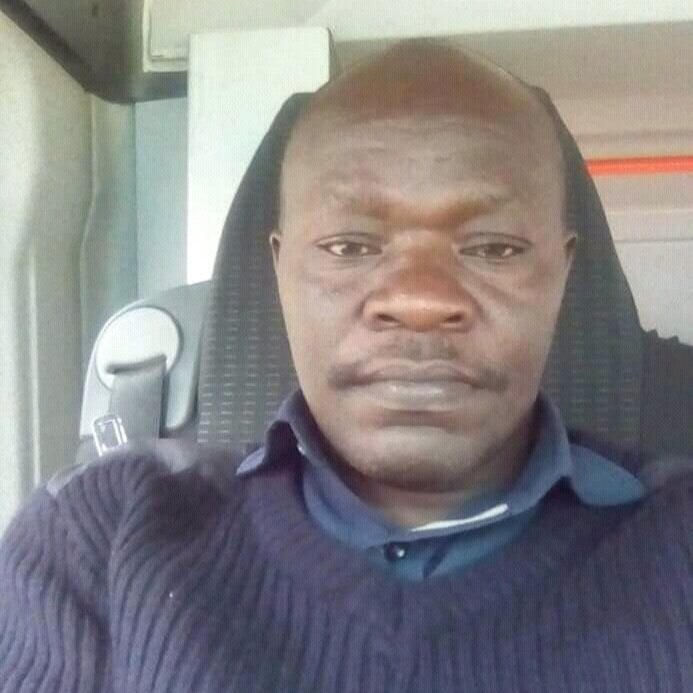
Laying down your Life for your Friends – Remembering Firefighter Obego

Laying down your Life for your Friends – Remembering Firefighter Obego, Nairobi Fire Service

By José – AFM Fire Safety Advocate, Kenya

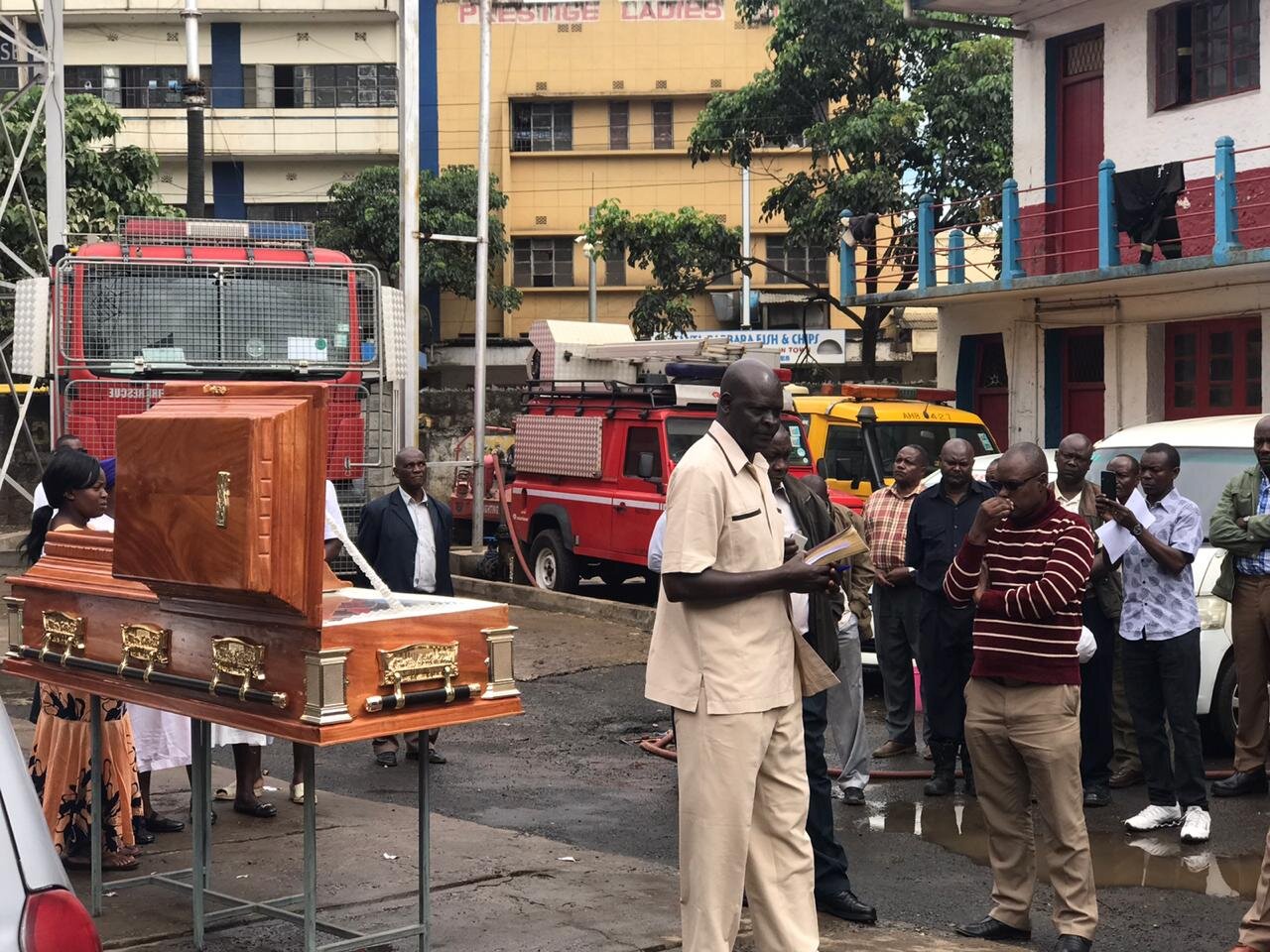
“Help me to honor firefighter Obego fire engine operator of Nairobi fire who passed on 17th February 2020 at Nairobi West Hospital after a short illness. His selfless service to Nairobians and humanity at large will never be forgotten.”

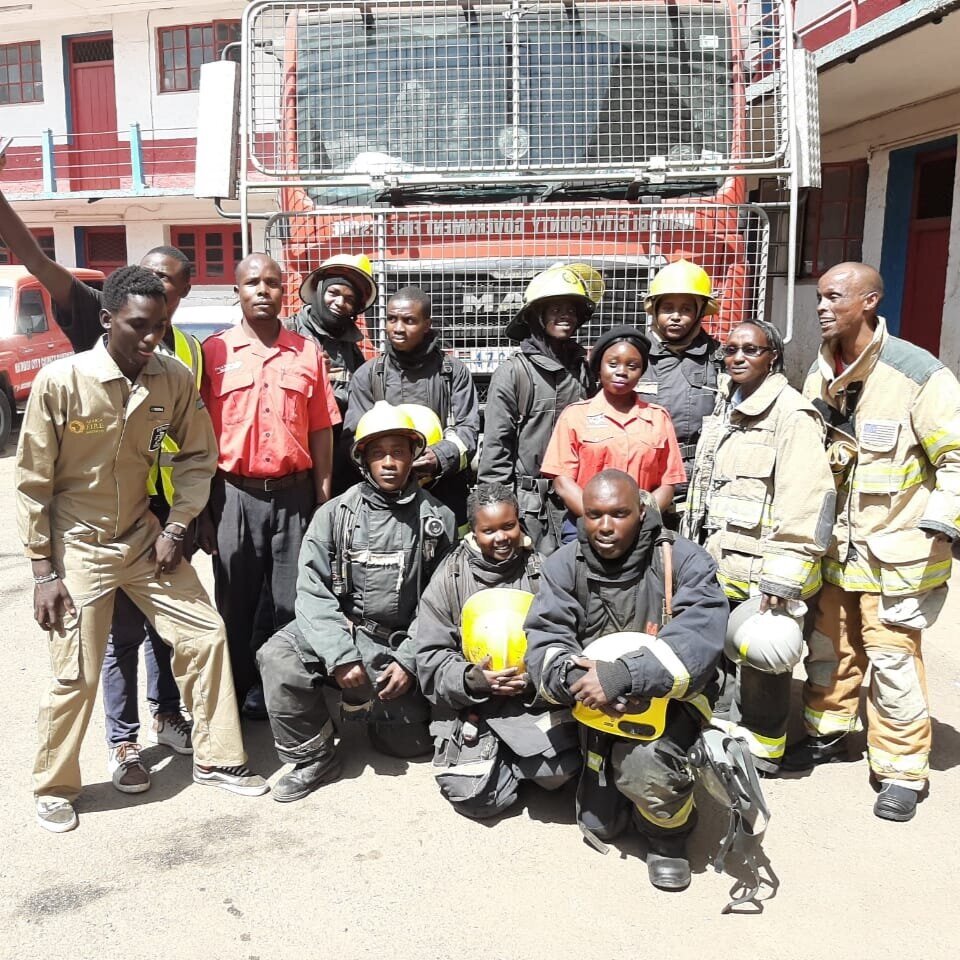
Obego, as he was fondly called by his peers in the fire house, was a highly skilled gentleman with 30 years in the fire service. He was an operator (driver) and pump operator.  He was also a certified mechanic who would fix the fire engine when it broke down and needed repairs on it. Cadet Officer Obego was a selfless man. I remember him for a cheerful gentleman who would lift up one’s spirit whenever you went visiting the firehouse. As soon as you asked him of a certain fire that happened long time ago, he narrated the story and you would fill thrill run through your spine as if you were in the scene on that day. Operator Obego attended the August 7, 2007 bomb blast at the United States Embassy. He also attended the Hazmat fire at KEMSA medical storage facility at the industrial area where about five firefighters were rushed to the Nairobi West Hospital because of inhaling Ethanol from the stored medicine. Obego was at the Sinai oil spill fire at the Kwa Ruben slums that killed 95 people.  He was on hand for many national tragedies in Kenya during his 30year tenure.

Obego succumbed to lung cancer from his many years of fire service. My big brother Obego, thank you for your service. We’ll take it from here. Rest in Peace.  

When I learned of the news of Obego’s death, I met with Chief Fire Officer, Brain Kisali and Deputy Fire Chief Mboya to know what burial arrangements they have for our hero. During the meeting I gave my heartfelt condolences and asked to be given permission to raise money to support the funeral expenses that the family would undergo. Funerals in Africa can be extremely expensive and Obego had three wives and thirteen children. 
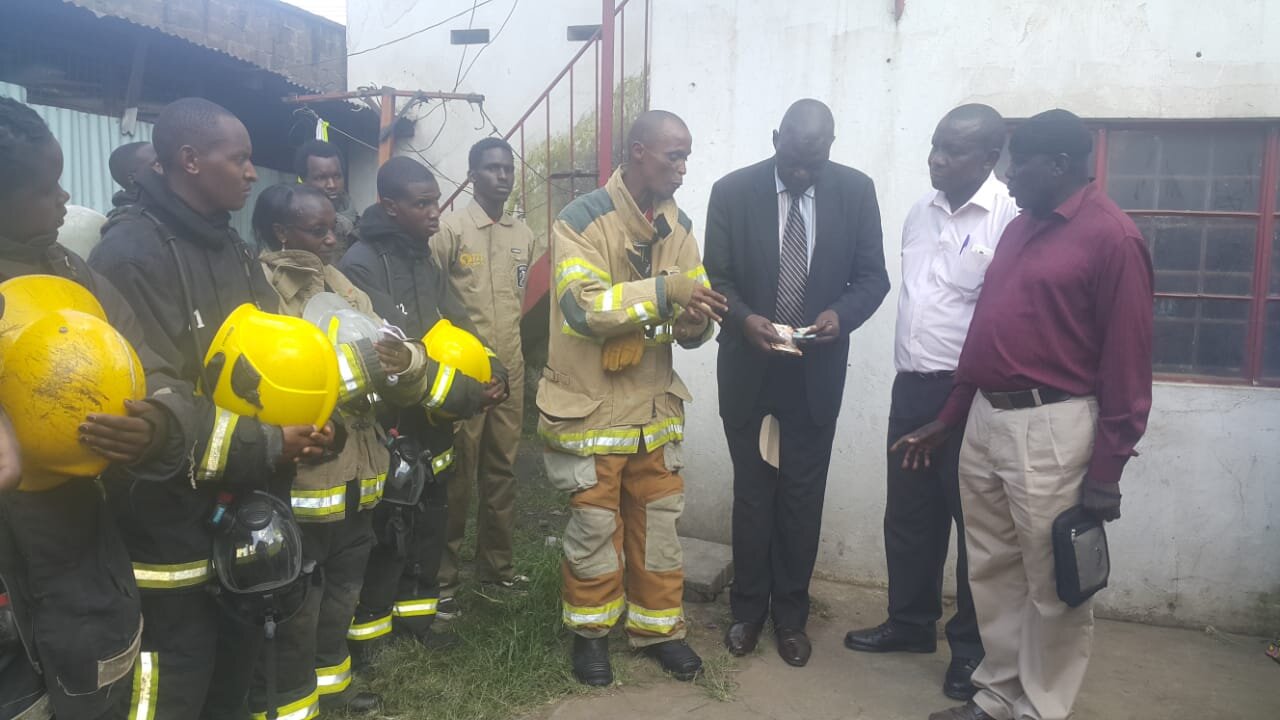
We rallied firefighters and first responders who were in the group to contribute 300 Kenya Shillings ($3) each to support the expenses. These were volunteer and career firefighters from various stations across the nation. Within a span of one week, we managed to rise up to 20,200Kenya Shillings ($202) which I got the privilege of handing over to Obego’s wives and brother in front of a guard of honor from International College Of Technology in Thika Fire Students. I was impressed by the overwhelming brotherhood that was bestowed to a firefighter who most of the firefighters had not met. The virtue of the firefighters learning that one of them was down, everyone was hands on deck to support overwhelmed me with courage. 

This was the first time the Kenyan fire service has come together to honor a fallen comrade.   I am honored to be a part of what I hope will be a new tradition in the fire service.  Honoring the firefighters that serve their communities. 

"Nothing About Us Without Us"

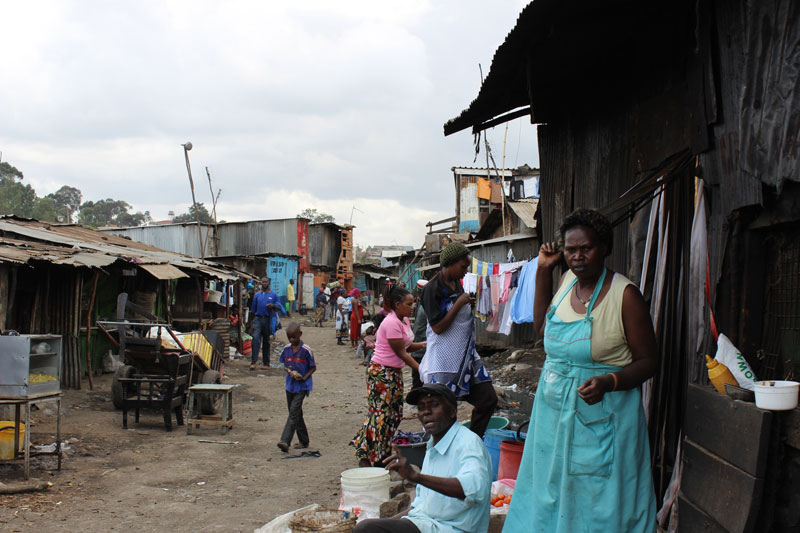
As I walked by the road side to Missions Of Hope International (MOHI), Pangani Center to my interview for the job advertised for the Fire Safety Advocacy position, I saw a big mural of a child and words written against the photo “Nothing about us without us”. That statement got me thinking which practical way will I get to work hand in hand with the Mathare community to include them? In my mind I had already been integrated into the MOHI mission statement that says “we educate, empower, restore and redeem vulnerable children, their families and communities through Christ”, even before I was confirmed for the job of Fire Safety Advocate for Africa Fire Mission, in collaboration with MOHI.

Nothing About Us Without US

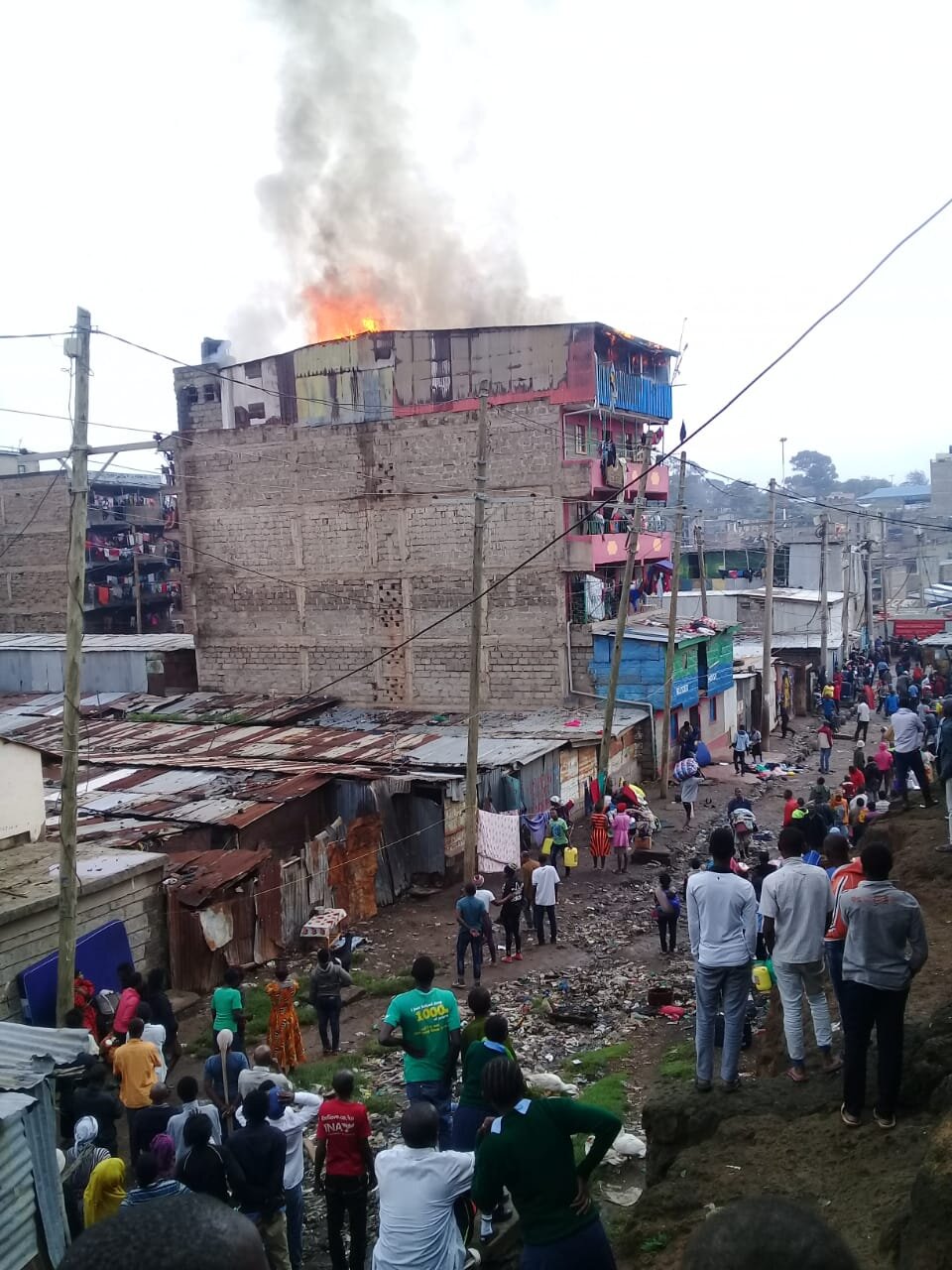
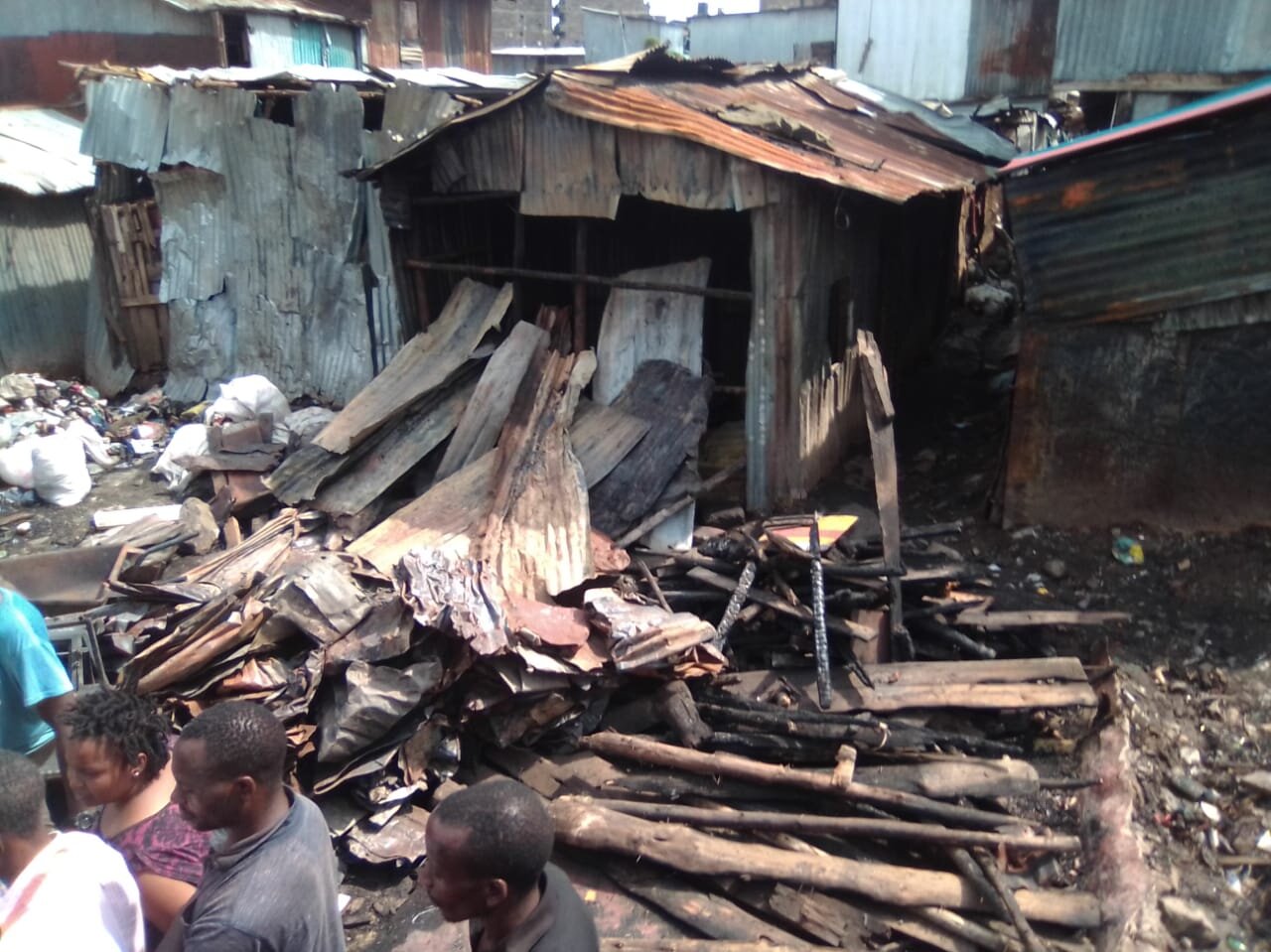
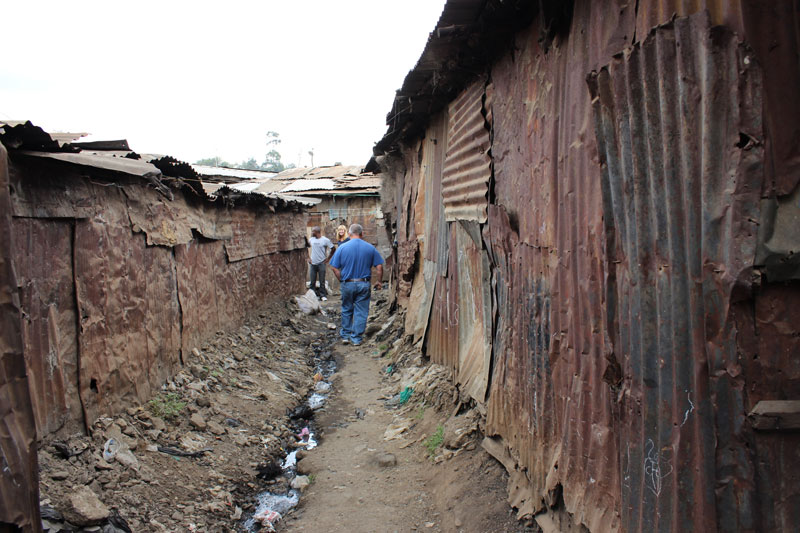
 After one month of three interview sessions, I was granted the job and shown my desk. We worked hand in hand with my supervisor who guided me through the process of penetrating into the community by including the residents in the process. Mathare slums are a community who are divided into different areas for government administration purposes that includes Polio disbursements, food distribution in times of crisis among other administration maters. My supervisor advised me to start from the Sub-county administration office and brief them what I intend to do and how it will impact positively to the Mathare community. It was one tedious and laborious uphill task that I got to encounter. From being requested to write letters to the City Hall administrator to aborted meetings that I felt wasted of my time and energy. This was short lived because as soon as I was still trying to figure out how I will be granted permission to operate with fire safety matters.  Then fire broke out inside of Mathare Bondeni area. The top most five story floor that housed fifty households caught fire. (One day before the fire, I had an opportunity to speak with the MOHI Bondeni center parents. I had shared with them the fire brigade number and also instructed them on what to say when they got the dispatcher.) I quickly put my protective attire and called the fire brigade only to be informed that someone had already activated the call from the community I had just trained a few days earlier. The Fire brigade got on the scene within a very short while and the fire was quickly extinguished. They were praised by the community for the first time in a very long time. This was the beginning of more beautiful things yet to come because out of this situation, I got to present the Bondeni Fire incident report to the sub-county administrator boss and I was automatically granted the “license” to operate inside Mathare community on condition that from time to time I will be reporting to him the findings and progress I am making towards my quest of reducing fire incidences in Mathare.

Africa Fire Mission invested more skills into my trade and taught me skills that helped me work with the community. I was put in class and studied CHE1 (Community Health Education 1) and CHE2 (Community Health Education 2). These were lessons that put into practice the slogan “Nothing about us without us”. I quickly got to identify the community champions in each area of Mathare and mapped them to get them trained in future. In our interaction, I came to know that the community champions’ children benefited directly in the MOHI programme. The community champions were also very happy to have me on board because they are affected directly with this fires and getting back to living a normal life is an uphill task.  I however worked with them by showing them the basics of putting out live fire. Before any engagement on the ground, I would call them for a morning brief and informed them of my intentions of getting to the ground and training the people in the community free of charge. In return they promised protection of my daily tools of trade that included my full PPE that I told them it assists me to put out real fires when the fire brigade shows up. Six months down the line, we have managed to work hand in hand with the community champions and we have put more than eight fires in which has seen up to four hundred homes get displaced. 

The road to victory is still far stretched.  I am seven months old in this mission. We are still working together with the sub-county office under new office bearers and we have blended well. The community champions are happy with the work we are doing and the fire brigades are feeling much safer when I am on the ground as they know that stones will not be thrown at them and that their tools are safe as they work in the fire scene. We are hopeful that one day,  fires will be history in Mathare, and all of Kenya and Fire brigades will stop having riot cages on their windows to avoid being thrown stones by the community for showing up late in the fire scene. For sure: Nothing for (about) them without the people of Mathare!

-       José, Fire Safety Advocate, Africa Fire Mission

Wrapping up 2019 and bringing in 2020

2019 was a busy year for AFM and 2020 is shaping up to be even busier!   We are seeing more and more ways that God is using AFM to advance life & prosperity in developing communities through the fire service in Africa (and Ukraine!).  The end of 2019 had us leading 4 teams to Africa with 35 trip team members!    Fire training is having an impact on saving lives and property – but most importantly on lives.   One of the fire chiefs from a rural area, that’s largely a Muslim area, made a point to let me know “You are changing our lives.”   As I looked at him I knew his meaning was changing them at the heart level.   We’ve been showing the firefighters that they are important, loved by God and that they are valued.   As a result of that – they are showing that love to their communities.   

Our fire prevention team in Mariakani, Kenya was able to provide our fire prevention VBS to about 150 children.  Here’s what they had to say: "Thank you for your visit to Mariakani, Kilifi County. It was an excellent week full of love, blessings, positive energy, friendship, learning and encouragement. We couldn't ask for more! Since then most of us have turned our lives around, we have changed the way we look at one another and created a new purpose! Because of that visit, even the community consider us as family, how great! Thank you so so much! It is making a great impact not only to us but Africa at large. May our good God always reach out to your needs, our prayer is that you may never lacking" - Mariakani Fire Brigade, Kilifi Junior Firefighters & Kilifi Fire & Rescue Department

At Missions of Hope, our social work team trained their 65 social workers with new skills for supporting the families of the 19,000+ children that MOHI is serving!  

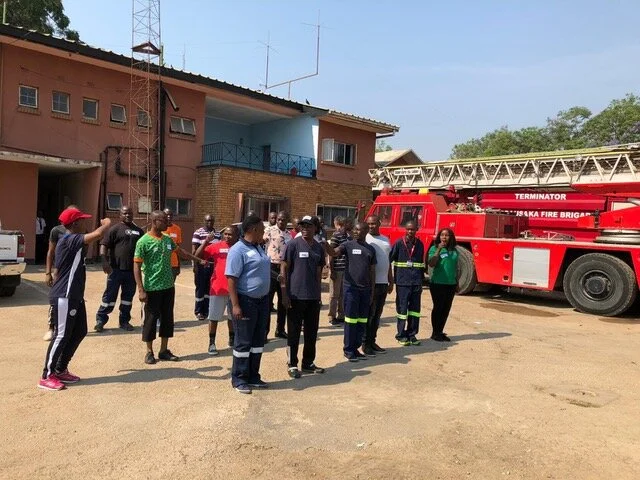
In Kenya and Zambia our fire teams trained nearly 550 firefighters, EMTs and community members in new skills that they can put into action in their communities and we launched a new Chaplaincy program in Zambia so that firefighters can minister to each other. 

So what are we up to in 2020?   Expansion – again!   We’ll continue our work in Ukraine, Kenya and Zambia – with teams going to each and we are expanding to Sierra Leone and Ghana and possibly Liberia!  Please pray for these opportunities to be kingdom rich and full of connections for the gospel.  

We are grateful to LifeSpring Christian Church for the Christmas gift of Love for our project in Ukraine!   We will be shipping the container on February 22.   We are still in need of about $4000 in financial support to make this happen and we will need your help to help load the container on February 22 at LifeSpring Christian Church so we can continue add impact to the ministries working in Kherson, Ukraine.

Thank you for all the ways YOU are changing lives in the world! Happy New Year!

Surprises at the Airport #afmkenya2019

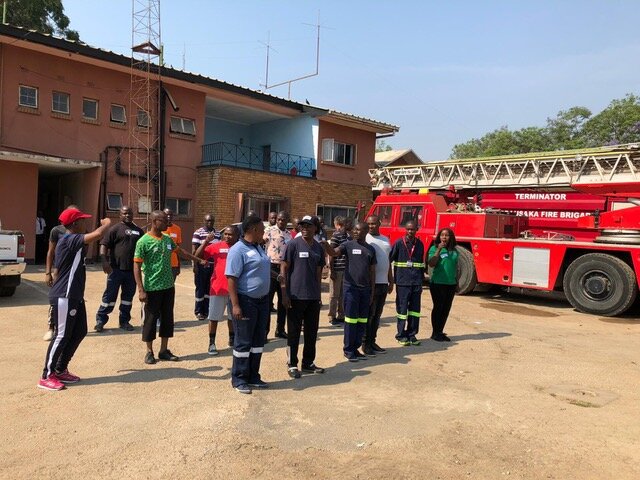
We were stationed at the airport for our All Kenya Fire EMS Symposium and Competition 2019. One of the evenings, the airport Fire Chief arranged for our team to get passes to get an impromptu tour of the firehouse after we finished teaching. We did not think this could happen due to some of the other activities going on at the airport this week. This change put a crimp in the regular scheduled evening plans but who can pass up a firehouse tour right?

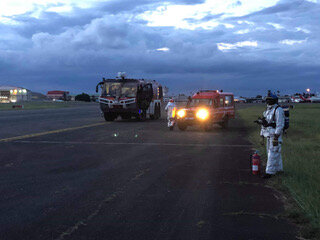
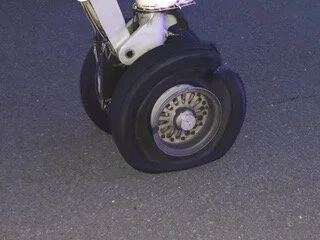
As we were pulling up to the firehouse, the siren sounded for an airport emergency. A plane was coming in from Lodwar to make an emergency landing due to a blown tire on take off. The plane decided to divert to JKIA instead of the small Wilson airport due to the crash rescue and repair services available at JKIA.

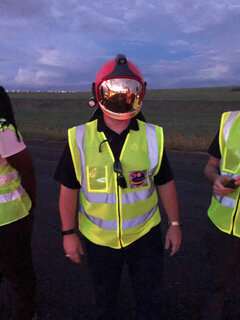
Being who we are, several of AFM team members managed to snag extra seats on the crash rescue trucks and the command car. The Chief even pulled a driver off of one of the other trucks and used 4 of our AFM guys to staff an extra crash rescue rig :)

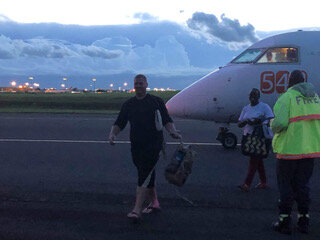
We pulled out onto the taxiways and waited for the flight to arrive. 20 minutes later the plane landed safely and we chased it down the runway. It’s a rush doing 90 mph in a firetruck down a runway I have to tell you, but I digress. The plane pulled off into a revetment and we got out of the rigs to inspect the tires and make sure it was safe to unload the passengers. As we walked to the plane my phone rang. It was Tim Stewart, CMF international missionary to Missions of Hope International and friend. Low and behold he and his dad were on the plane and he saw us walking up.

After ensuring there was not going to be a fire, we unloaded plane. Tim and his dad Dan were the first off the plane. After bigs hugs all around with Tim and Dan and our team, they were loaded onto a bus and headed off to catch an Uber home - and to share their adventures with others.

Well, the day ended way different than we expected it to. Thankfully it ended safely and with a good story to tell.

-Dave Moore

José - Fire Safety Advocate - May 2019

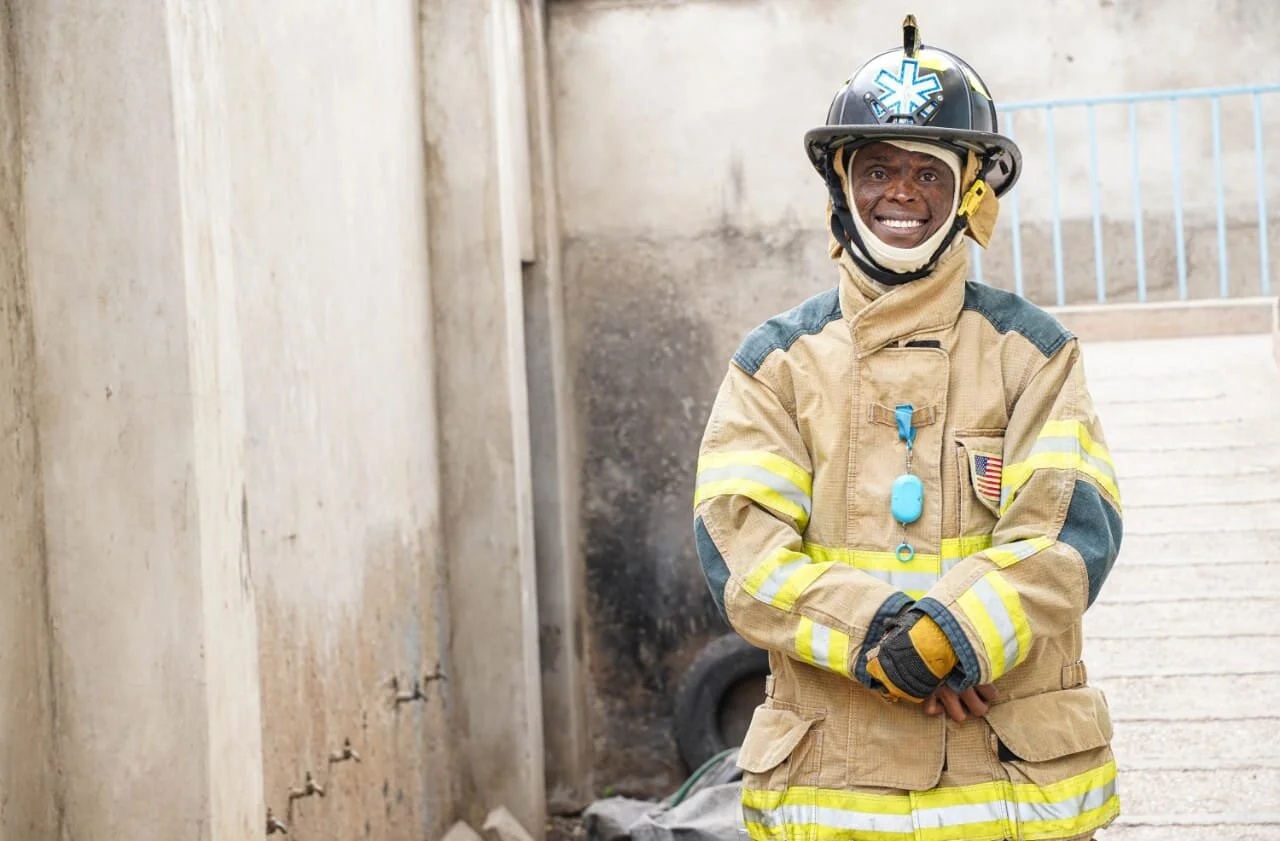
In May 2019, Africa Fire Mission was able to hire José to work as a Fire Safety Advocate in Kenya.   José is a burn survivor and a firefighter He is be working with community groups training the community members in Community Health Evangelism - Fire Safety, helping start local volunteer fire brigades and helping us coordinate trainings for fire service in Kenya.  He is ministering to the community by showing him God’s love and through practical fire safety and response.  Please keep Jose in your prayers as he works to train community members and to develop volunteer fire departments in Kenya.   He recently shared this success with us: 
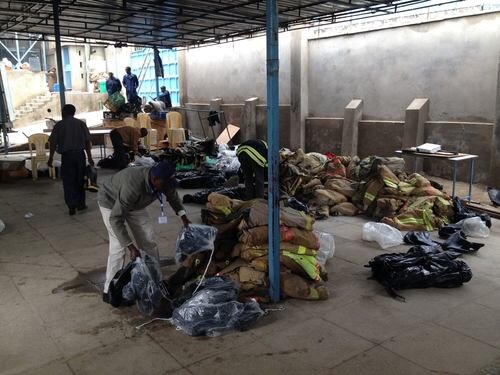
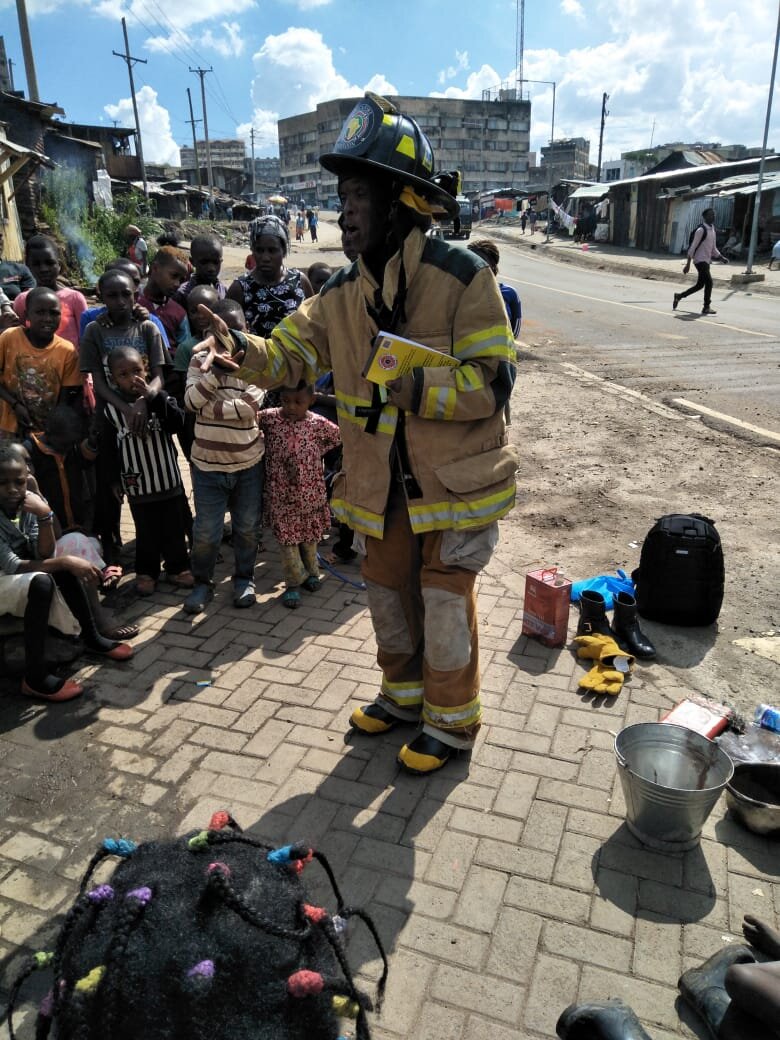
On July 13, I was headed to train staff at MOHI on how to use fire extinguishers, I had my bunker gear with me as I use it to show them how firefighters gear up. I learned that there was a fire nearby.  I diverted from my training and went to the fire scene. On scene, I unpacked my bunker gear by the footpath just near the fire engine. I could hear people say in Swahili "this is our fireman". I prepared so fast.

I then went to the fire commander and saluted and said “I'm at your service” for him to assign me to duty. He asked me to do a safety check and see if fire was at the back of the houses. I checked and reported back that all was well. He told me to go give backup to the nozzle man working on the ground. When I got to him, he was extremely exhausted. I took over and asked him to rest as he watched my back.  I needed him to watch my back because as firefighters in Kenya, we often get rocks thrown at us because community members believe that we do not come prepared (they think our trucks aren’t filled with water when we arrive because they run out of water (10,000 liters) so quickly).  A second fire engine was called and it acted like a water tanker back up. This was a relief because during my community fire prevention and response sessions, I explain to them how firefighters and fire engines operate and why water gets depleted so quickly. 

After training nearly 3,000 community members in 3 months’ time, the firefighters are now beginning to be accepted in the community.  My dream is to one day see no fire engine with riot cages on its window panes.

After putting out the fire, more community members saw me on scene and were giving me fist bumps as they identified with Africa Fire Mission – their fireman, being on the ground. It was truly humbling. Our little light has started shining.   I’m already following up to see how we can train members in this local area for early emergency response.

May all AFM’s partners know that their help is truly bearing fruit and touching lives. We shall not relent on this battle of fire.

WhatsApp Image 2019-07-03 at 2.50.32 AM.jpeg

Nairobi and Kiambu Kenya April 2019

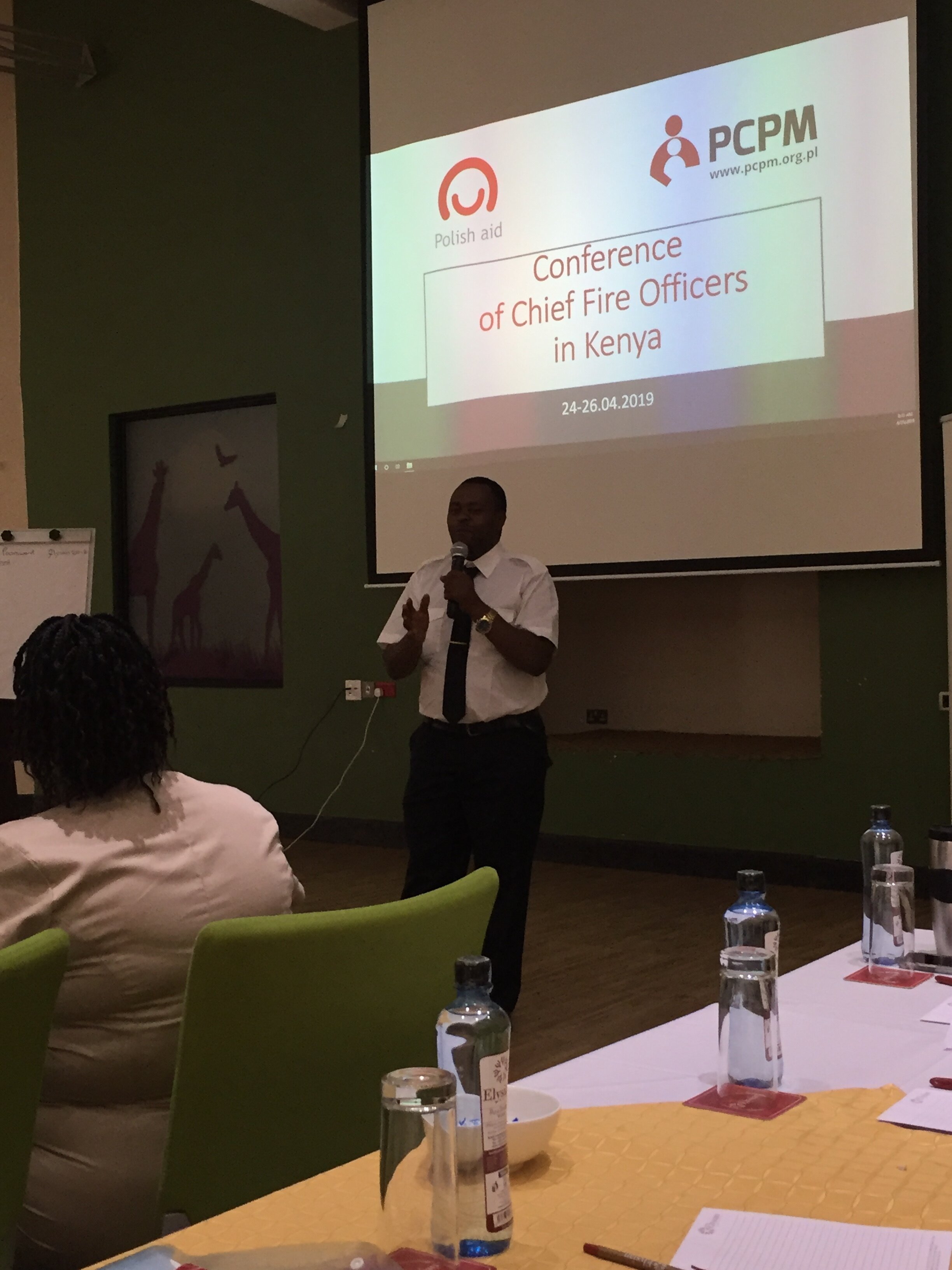
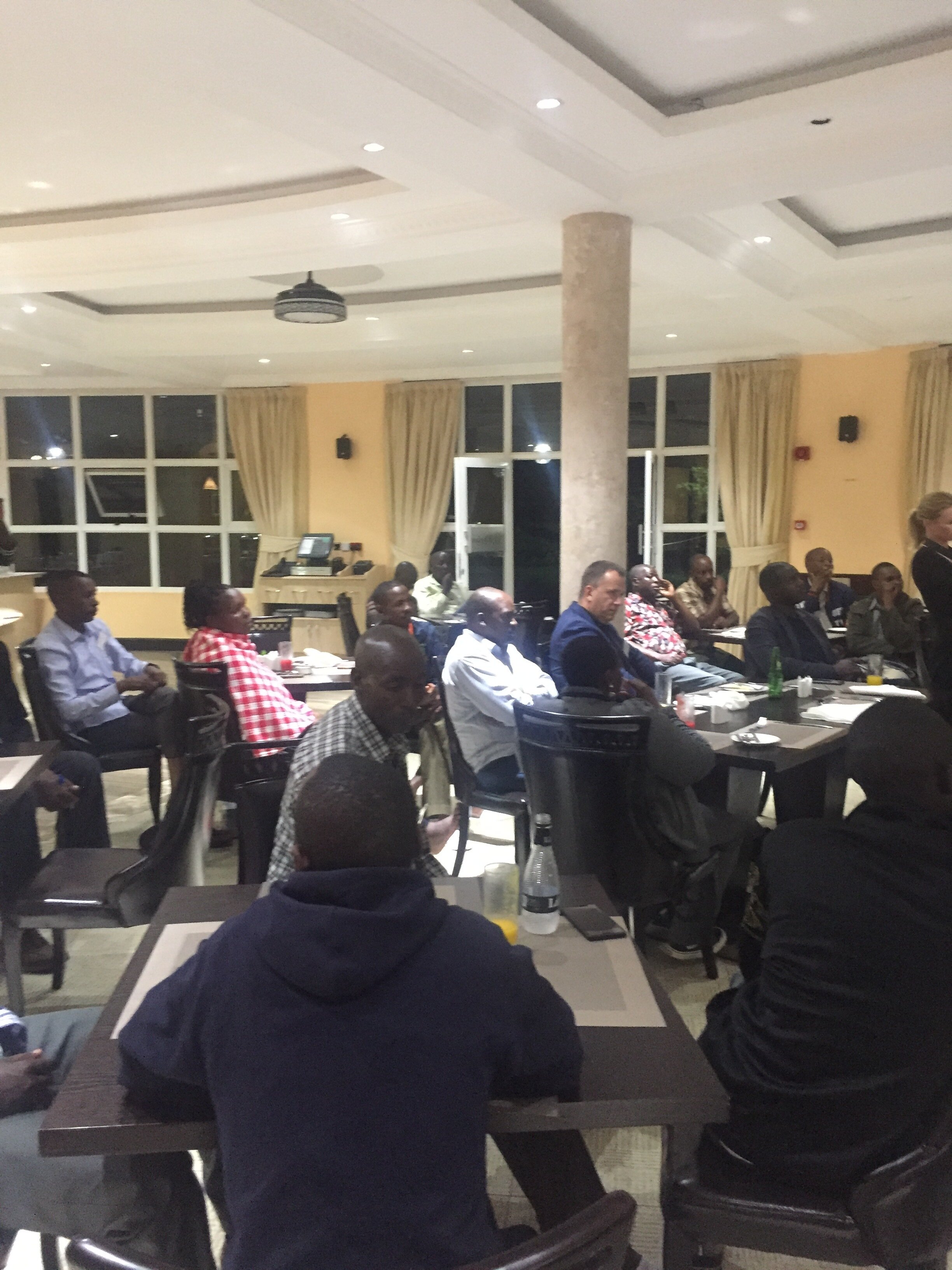
In April 2019 AFM had the privilege of participating in the first conference of the newly formed Chief Fire Officer’s Association of Kenya. Over 25 counties were represented, including about 3 counties with newly formed fire departments.

NAIROBI, MURANGA & KILIFI, KENYA DECEMBER 2018

AFM instructors provided training for the 4th year in Kenya. Our team of 13 US firefighters and 10 CHE workers from Missions of Hope International provided a week of training in Muranga, Kenya. Training topics included Community Fire Prevention, Tactical Firefighting, Leadership and Emergency Vehicle Operations. Partners from Polish Aid (PCPM) and Kenya Council of Emergency Medical Technicians provided First Aid and EMS training.

It was exciting to see the advancements of the fire service including more volunteer firefighters. The fire services is rapidly expanding their connections with communities through integration of community fire prevention and basic first aid especially with children and motorcycle drivers. Reports of over 500,000 individuals trained in community fire prevention since November 2017!

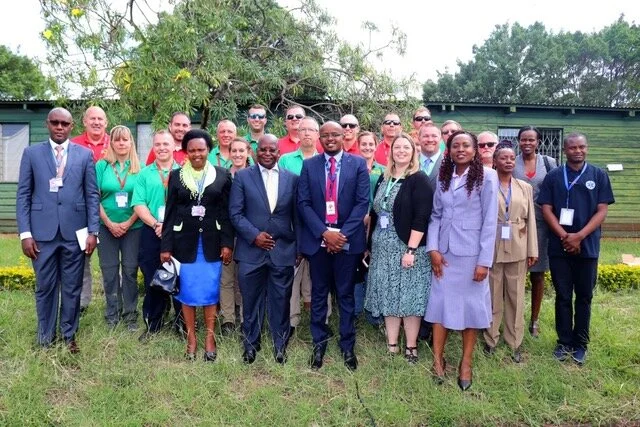
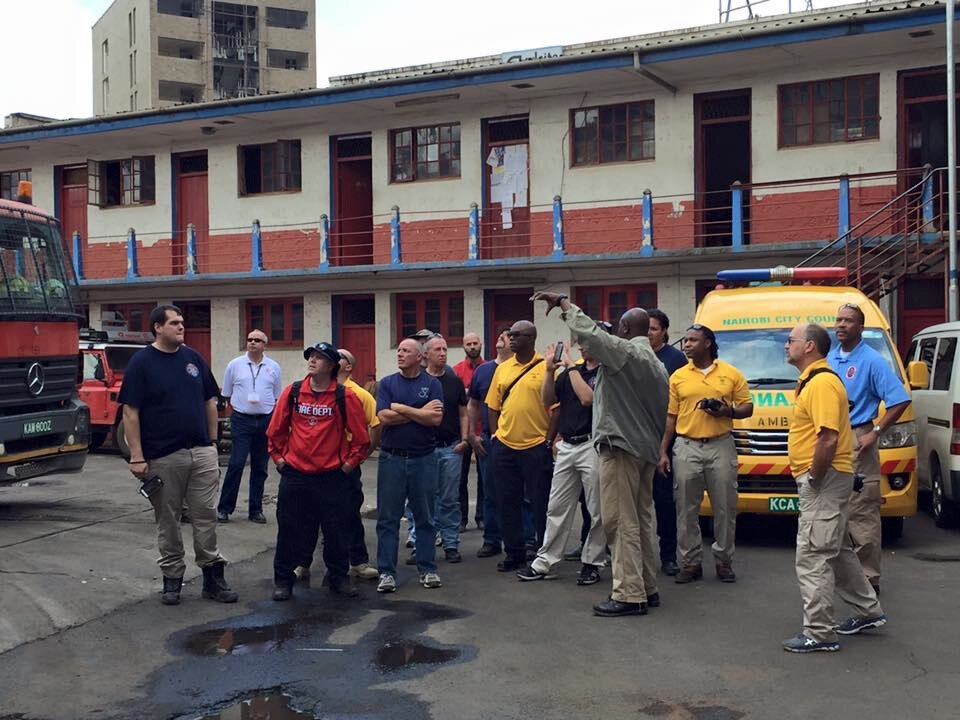
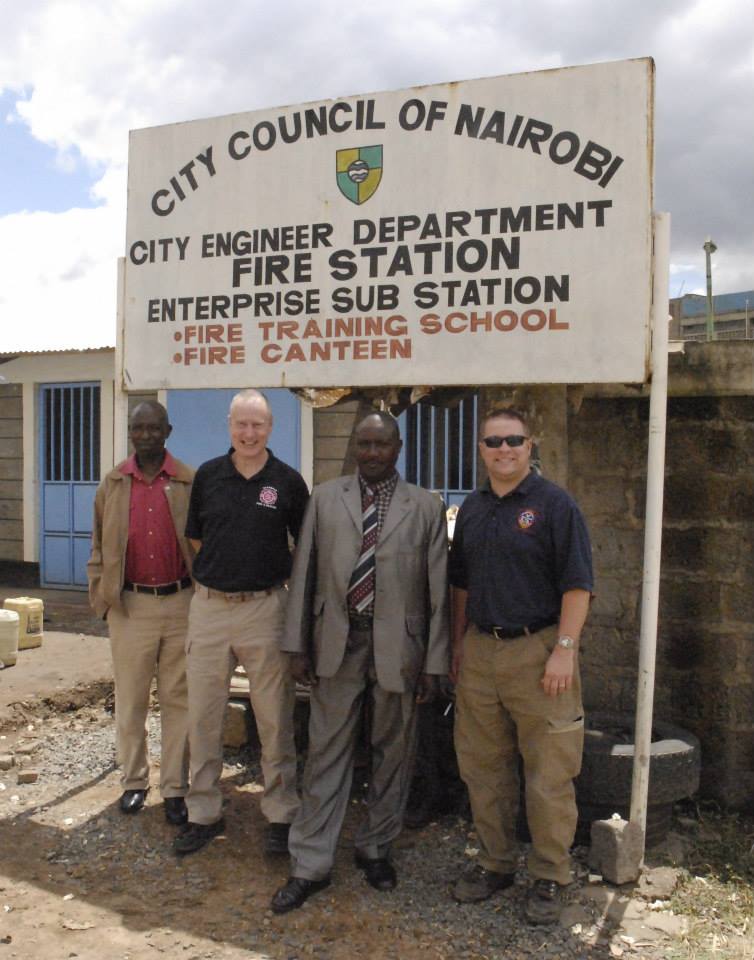
Team members were also able to visit fire stations in Nairobi, Kenya; Mariakani, Kenya as well as the firefighters at JKIA (Nairobi's international airport).

NAIROBI, KIAMBU, MURANGA & KILIFI, KENYA - JUNE/JULY 2018

In June and July, teams from Parkview Christian Church, Orland Park, Illinois and Generations Christian Church, Trinity Florida provided Fire Prevention Training at Missions of Hope International. Over 3500 children and their teachers received life-saving information about preventing and responding to fires. There had been a fire at one of the Missions of Hope schools early in 2018 and the timing of this training was critical in the Mathare Valley as well as in Turkana, Kenya. Where there is no fire brigade.

Nancy Moore, director of programs, met with fire service leadership in Kilifi, Nairobi, Muranga and Kiambu Counties to continue planning for our 2018 fire symposium and to see the progress that is occurring. Kilifi and Nairobi Counties have boreholes under construction at their fire stations; Kiambu county has started a new fire station in Kiambaa – allowing them better access to this growing community “you have to start somewhere” – the fire station is a shack. Nairobi is now able to respond to more fires thanks to a partnership with Belgium Aid which has provided new fire trucks.

Mariakani Fire Brigade in Kilifi County serves about 300,000 people. Since November 2017 they have trained over 60,000 children and adults in fire safety. They are using community development principles to do this by using locally available resources to serve their community in the best way possible. They are proud of their work. The Mariakani Fire Brigade has also started 3 Jr Firefighter programs, one for children that live near the fire station and come to the fire station for programs and 2 programs at local schools. These children have successfully suppressed one small fire that could have resulted in a much larger fire without the knowledge of these children. Mariakani has also started Friends of Firefighters Fellowship - a local church that meets at the fire station

NAIROBI AND KIAMBU, KENYA - NOVEMBER 2017

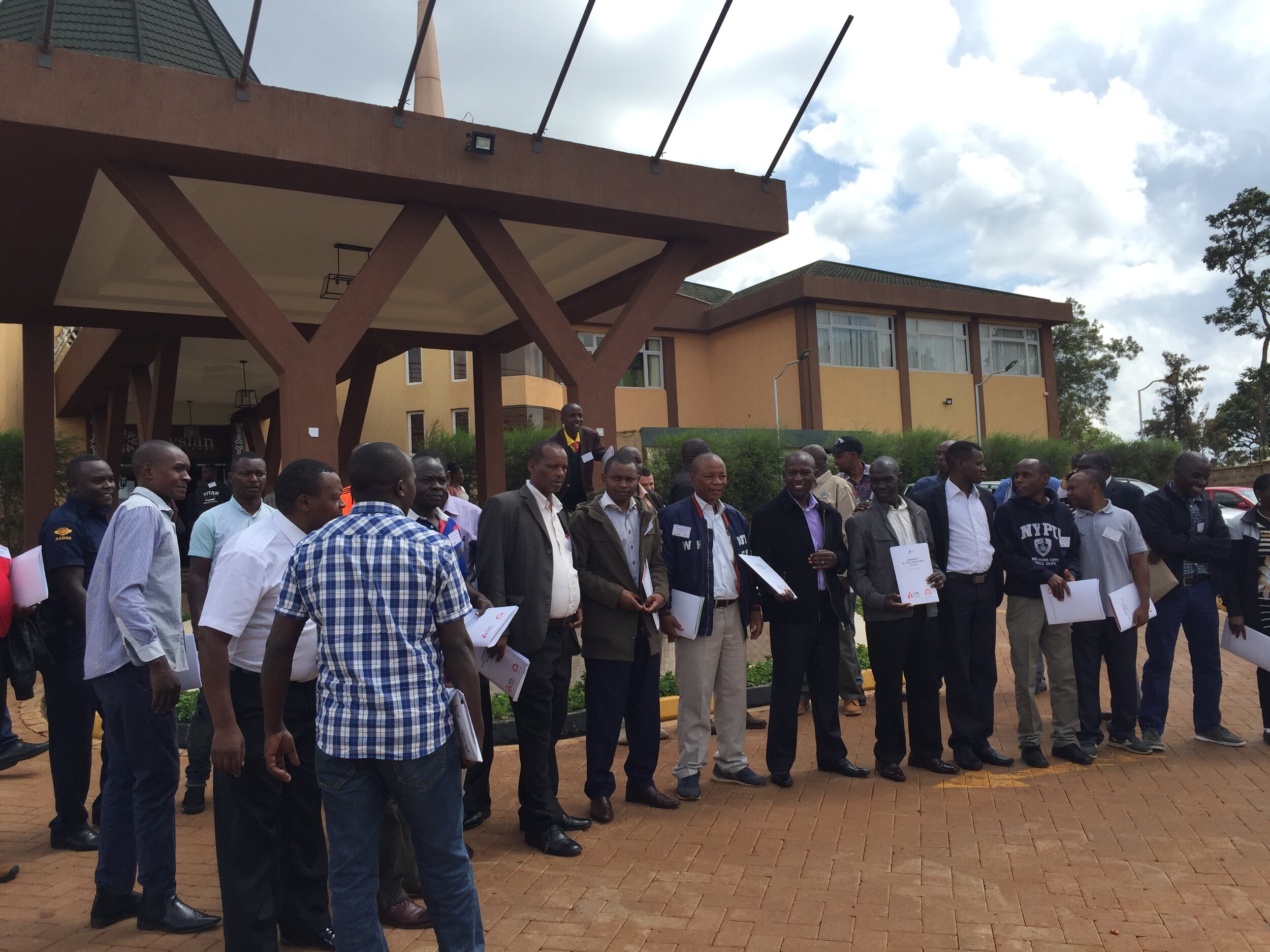
AFM instructors arrived in Kenya to conduct the 3rd All Kenya Fire Academy in Thika, Kiambu County, Kenya. The academy planning committee did an amazing job planning for the academy. Over 200 firefighters attended the academy in the immediate aftermath of a presidential election in Kenya. Firefighters from all corners of Kenya, of all different political views, tribes and faiths came together to learn and discover how to even better serve their communities.


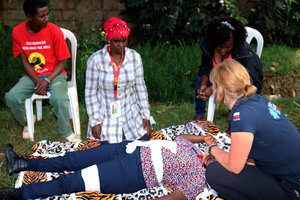
The Kenya Council of EMT's joined Africa Fire Mission to train firefighters in basic medical care, while our team taught classes on leadership, community fire prevention/ education and conducted a hands-on class for new firefighters. Daily devotions started each day and a bible study concluded the day.


The fire academy was opened with a grand opening ceremony attended by the governor of Kiambu County and the academy ended with the firefighters participating in their FIRST ever full-scale emergency drill that featured live fires, a rowdy crowd of community members (replicating the attitudes and beliefs of the communities where the firefighters serve) and victims in need of rescue. We closed the 3rd All Kenya Fire Academy with a graduation celebration full of songs, dancing, certificates, handshakes and hugs.

NAIROBI, KENYA - OCTOBER 2017 FIRE PREVENTION WEEK

What would you do if you see a fire? Yell: FIRE FIRE FIRE! What would you do if your clothes catch fire? STOP DROP and ROLL! What would you do if your house is on fire? GET LOW and GET OUT!

Those are the words to our new fire prevention song that was introduced in Kenya during this mission. In the U.S. nearly everyone knows the number for the fire department, how to exit their home safely in a fire and many more fire safety and prevention techniques.

Imagine not knowing how to call the fire department when you needed them, or not knowing what to do if your clothes caught fire. How helpless would you feel? We’ve set out to change that helpless feeling into knowledge across Africa.

A team of 22 people from fire departments, churches and communities all across the U.S. came together in Nairobi to share the message of fire safety and God's love to the children and staff at the Missions of Hope International’s Kosovo School. During this amazing week, the AFM team taught the kids fire safety, shared the Bible and played games with the students, created songs and dances with the students and showed God’s love to the kids and staff.

Now 40 teachers, 1100 school kids, their families and friends in the Mathare Valley of Kenya know what to do and who to call when fires break out and how to safely evacuate their school in case of fire.

NAIROBI, MACHAKOS & KIABMU, KENYA FEBRUARY 2017

Dave & Nancy spent two weeks in Kenya to plan for the fall, to develop new fire prevention curriculum and to work with Missions of Hope to complete a student assessment platform. We met with stakeholders from last year’s academy to review the accomplishments and to plan for this year’s academy. Topics were chosen for the 2017 academy, the location of the academy was secured, Thika Stadium, and partnerships were strengthened. We also had the opportunity to donate an air compressor that can be used to fill firefighter breathing apparatus to the Machakos County Fire Brigade thanks to our partners MSA and High Pressure Systems.

NAIROBI AND MACHAKOS, KENYA NOVEMBER 2016

Our 2016 All Kenya Fire Academy trained over 230 Kenyan and Ugandan Firefighters in Machakos County, Kenya. We offered training in Fire Service Leadership, Community Fire Prevention & Response and Emergency Medical Services (including CPR & basic first aid).

During the academy we rolled out our brand new fire prevention curriculum to the attendees and by the end of the week hundreds of community members in Machakos and Nairobi were trained in fire prevention and community fire response techniques.

Our team of 11 instructors were joined by two Polish Fire Trainers and a video crew of the Discovery Channel who recorded a day of the academy for inclusion in an upcoming Discovery Channel Documentary about the impact of global warming on disaster response. The week concluded with a formal graduation ceremony. Local officials spoke and the students were given blessings from both local pastor and Imam. All the students received certificates of accomplishment and a gift from Africa Fire Mission and the Fellowship of Christian Firefighters.

Additionally, we trained nearly 50 CHE trainers and Community members in the Mathare Valley in our Community Health Evangelism Fire Prevention Curriculum Missions of Hope International is facilitating a community fire prevention team with CHE community members that will continue to train others in the community.

Nairobi, Kenya - November 2015

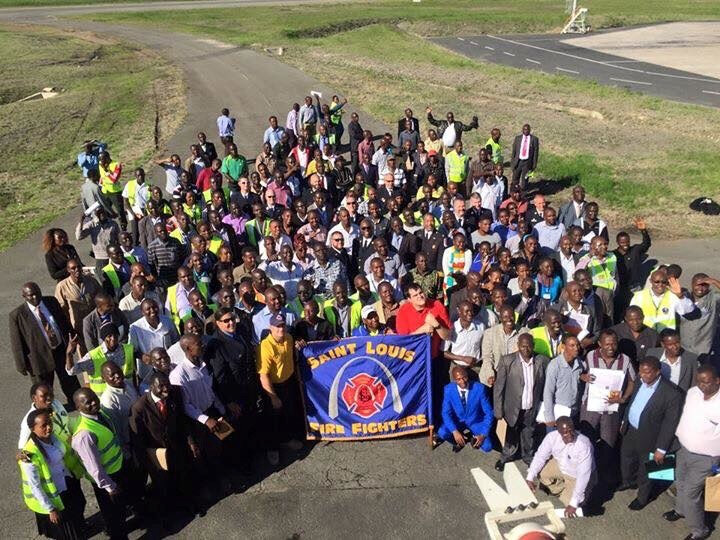
In November, 21 Africa Fire Mission team members traveled to Kenya to facilitate the first ever All Kenya Fire Academy. Africa Fire Mission partnered with Missions of Hope International, Kenya Airport Authority and the Kenya National Fire Brigades Association to train nearly 250 Kenyan firefighters, chief officers and disaster responders.
Our team of 21 came together from all across the United States and was made up of career and volunteers firefighters, company officers and chiefs. Together we taught courses in Community Fire Prevention and Response, Senior Leadership Development, Fire Investigation and Urban Search and Rescue. Classes were held at the Jomo Kenyatta International Airport and Mission of Hope International's Kosovo School in the Mathare Valley of Nairobi. Attendees of the training come from all across Kenya including 22 of the 47 counties; several national organizations, NGO's and 1 person joined us from the Country of Uganda.

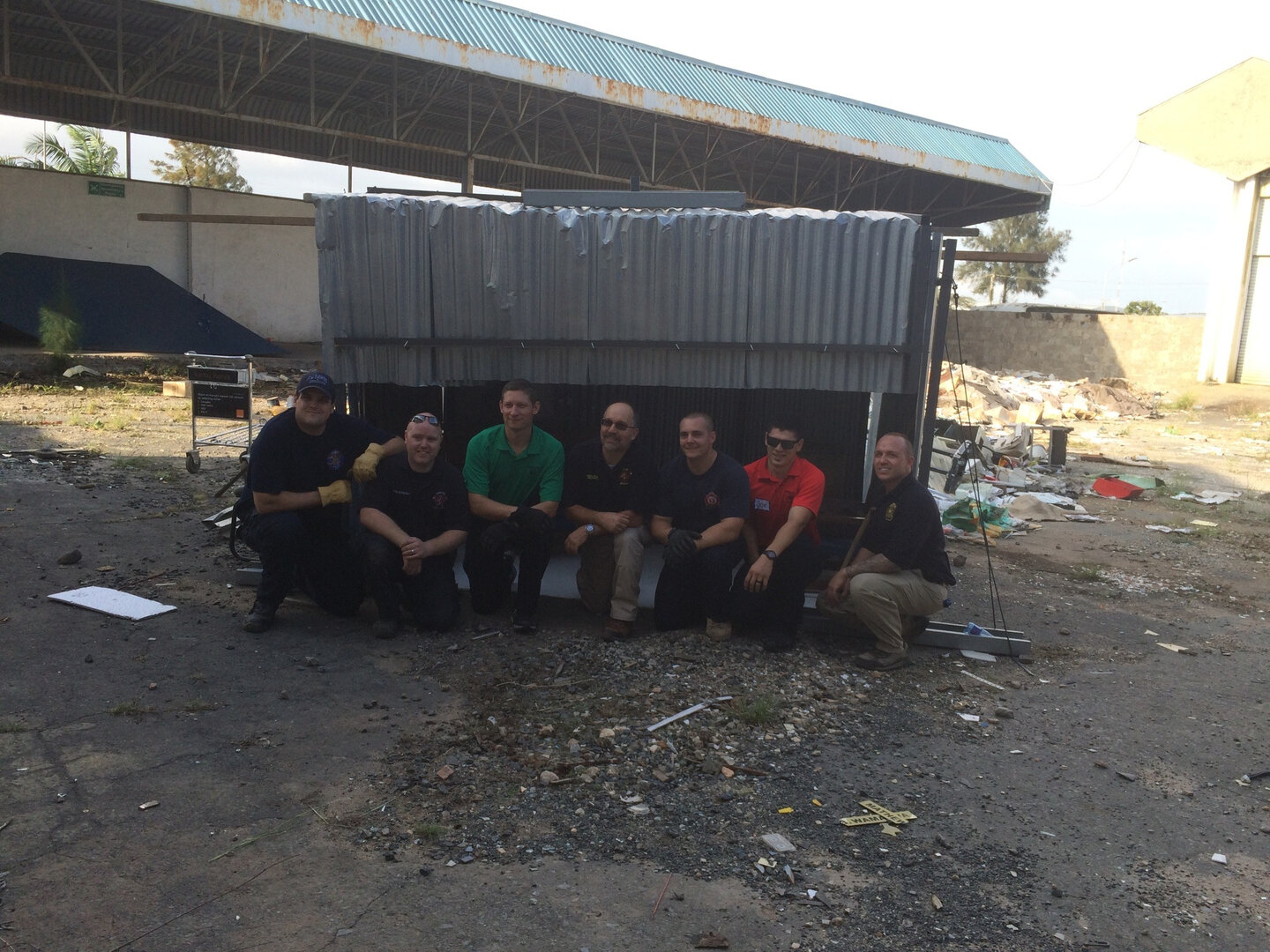
Throughout the week, our instructor cadre was able to share their knowledge and experiences to help the Kenyan students take what they learned during the week back to their homes and share it with those firefighters who could not attend the academy. Our instructors teaching hands on portions of the training used tools that were already in use in Kenya to accomplish many of the tasks while also introducing new tools and techniques that could be useful as well. We had use of a building that was being deconstructed and a rubble pile at the airport. Our classes were able to use these areas to build a burn cell for the fire investigation class so that they could study burn patters and to simulate rescuing victims from collapsed buildings. Our senior leadership class shared strategies for leadership success and spent time working in small groups to address real life issues facing the Kenyan leaders.

Our community prevention and response class spent the week training at the Missions of Hope Kosovo Center in the Mathare Valley. They shared prevention strategies as well as basic fire suppression skills with the fire department and community members. On Thursday morning, local community members brought a man who had been stabbed in the neck to our team for help. One of the fire departments taking the training had driven an ambulance. As our team members began rendering aid to the injured man, the ambulance was able to find directions to a hospital. Our team was able to render life saving aid and rush the man to the hospital where he was able to receive treatment for his injuries that he never could have received in the slums. Later that same afternoon a fire broke out in the community near the Kosovo School. The area where the fire was burning was to dangerous for our instructors to go to but Kenyan students were able to rush to the scene where they began fighting the fire until the fire department could arrive. The Kenyan students were able to pull a mom and a baby from a burning home. This quick action saved lives and limited the damage to only about 10 homes when often fires like this regularly damage 100 homes or more.

Using our CHE based training approach we were able to meet both the physical and spiritual needs of the students and community members we taught. We are already developing plans for our return trip to Kenya in November of 2016 to continue building the capacity of the Kenyan fire brigades and the relationships between the governments and Missions of Hope International.

Nairobi, Kenya - May 2015

In May 2015, Dave and Nancy more traveled once again to Nairobi, Kenya to continue planning, preparing and raising support for the first ever All Kenya Fire Academy. During this trip, they had the opportunity to travel to the coastal area of Kenya to better understand the challenges facing emergency responders across Kenya. Upon returning to Nairobi, they once again met with the Kenyan Stakeholders to continue preparations for the training that would be conducted in November 2015.

Meetings were held at both Missions of Hope International's Pangani Center and the Jomo Kenyatta International Airport. The Kenya National Fire Brigade Association coordinated a meeting of many of the senior chief fire officers from across the country at the Pangani Center. During this meeting, AFM lead a collaboration exercise among the officers to determine what were the greatest training needs for emergency responders in Kenya. As a result of these meetings, it was determined those topics were: Fire Prevention and Community Response, Fire Investigation, Urban Search and Rescue and Senior Leadership Development.

Together with the Kenyan Stakeholders, AFM continued to work with governmental agencies to raise the support and awareness needed to allow the emergency responders across Kenya to increase their capabilities to prevent and mitigate emergencies. Additionally, a new draft of the fire prevention curriculum was presented for review and feedback. This vital information was again incorporated into the program as it continues its process to acceptance, printing and distribution.

Nairobi, Kenya - January 2015

During Africa Fire Mission’s 2014 training endeavor to Nairobi, the Kenyan Stakeholders asked AFM to help them establish a country wide fire training academy and training curriculum. In January 2015, our Executive Director Dave Moore traveled back to Nairobi to continue development of this proposal. During the week, AFM met with emergency and disaster responders from across Kenya to gain their perspective and insight into creating such an academy. In partnership with the Kenyan Stakeholders, we also met with governmental agencies to gauge their input and potential levels of support for such an endeavor.

Stakeholders included municipal fire departments, the Kenya National Fire Brigades Association, St. John Ambulance, The Kenyan Red Cross, Kenya Airport Authority, Legend Impact Communications, National Disaster Management Unit, National Disaster Operations Center, Association of Fire Industry of Kenya, Missions of Hope International, local media and community members.

As a result of these meetings, it was mutually agreed that a weeklong training academy would be held in November of 2015 as a beginning to the longer process establishing a physical fire academy and curriculum. The Kenya Airports Authority agreed to host the training sessions at the Jomo Kenyatta International Airport in Nairobi, Kenya. Africa Fire Mission would coordinate instructors for 4 topics areas that were to be chosen by the consensus of the Kenya emergency responders. KENFIBA would coordinate with the response agencies across the entire country of Kenya to ensure they were all aware of this training opportunity and to manage registration for the 200 students this academy would train.

At the conclusion of these meetings, AFM presented a draft of a fire prevention curriculum aimed at reducing fire risk in the slum communities of Kenya to Missions of Hope International and the Nairobi City/County Fire Brigade for their review and feedback. Their input was recorded and presented back to the curriculum developers so that the program could be changed to better meet the needs of those who will receive the training.

Machakos County , Kenya - November 2014

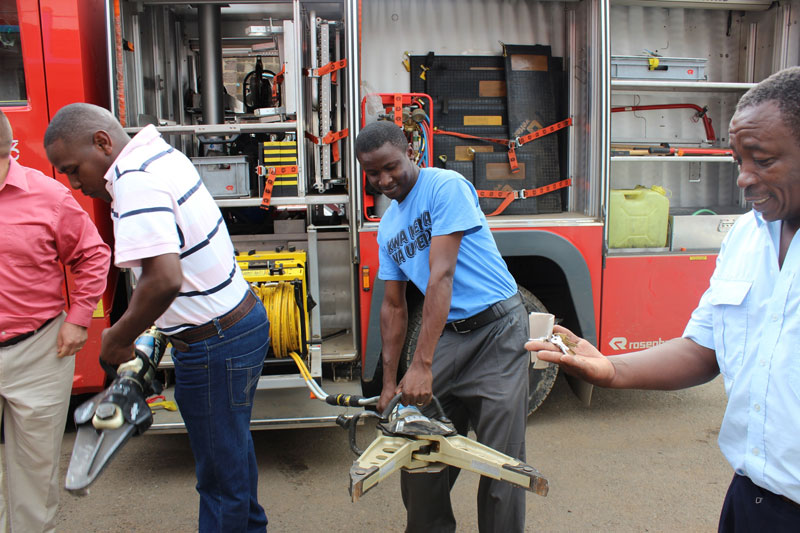
On Friday, November 7th, Dave Moore and Wallace Kamau (MOHI) met with the Emergency Management Staff of Machakos County. We toured the only working 911 center in Kenya and facilitated a question and answer session with their staff. Africa Fire Mission was able to donate PPE to the fire department and began planning for a regional fire academy. We were impressed with the emphasis that Machakos County is placing on emergency management and look forward to partnering with them in the future.

Lodwar, Turkana County, Kenya - November 2014

While the AFM team was training in Nairobi, Dave and Nancy Moore traveled to Lodwar to meet with county officials and begin assessing how AFM can assist in developing a fire service for Turkana County. We had a productive trip meeting with various County officials, a member of Parliament, and members of the Business Community. Plans are in development for how AFM can serve the people of Turkana.

Nairobi, Kenya - November 2014

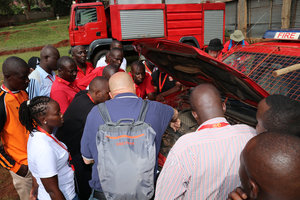
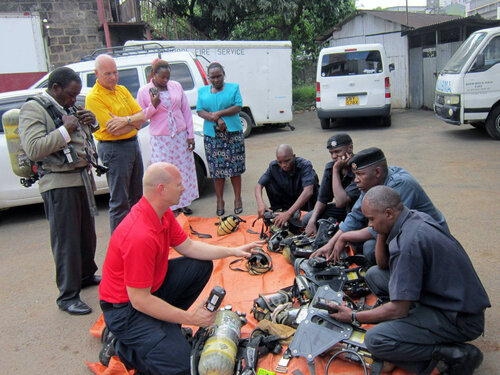
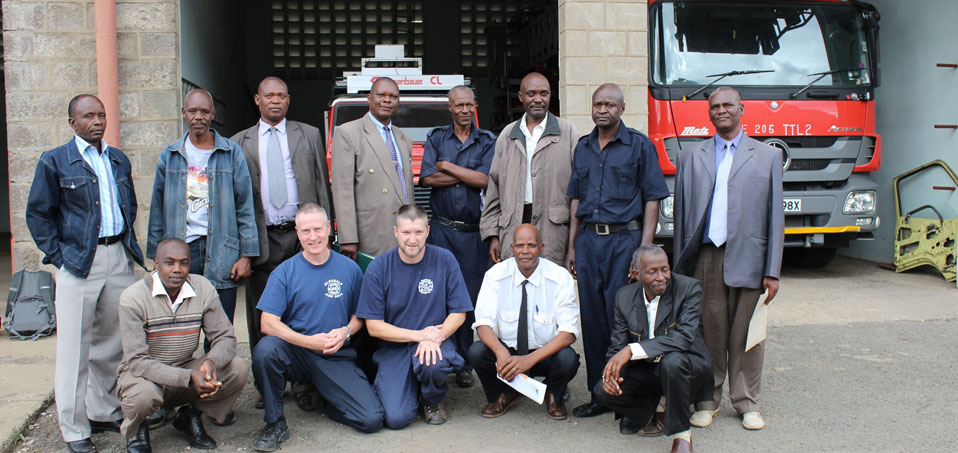
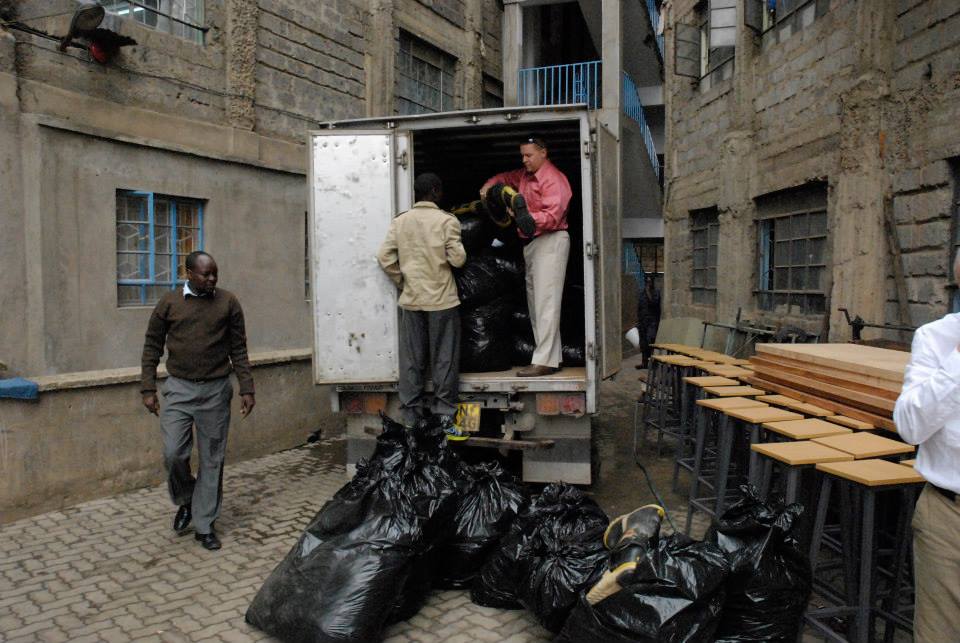
Our mission started with collecting gear and raising funds to send a 40 foot container of personal protective equipment (PPE) and other mission supplies. The container shipped in July. The container arrived to Missions Of Hope International (MOHI) in October. Our team arrived in Nairobi on November 1st. Our team of trainers (Matt Flagler, Bob Rielage, Todd Rielage), spent most of the week training all of the shifts of the Nairobi Fire Service (NFS) in the use and maintenance of SCBA's (Self-Contained Breathing Apparatus).

On Friday, November 7th, Bob Rielage, Nancy Moore and Matt Flager worked with the CHE (Community Health Evangelism) trainers from MOHI to begin development of a Fire Prevention program that meets the needs of the Urban Slum communities in Africa. Nairobi Fire Service sent one of their Fire Prevention Specialists and a partnership is being developed for NFS, MOHI and AFM to complete the development of the program to include training for CHE trainers and tools for them to use with community members.

Saturday, November 8th the AFM and NFS worked with the larger team from Lifespring Christian Church to have a community "Fun Day." NFS demonstrated the use of their trucks to put out fire and helped to change the image of the fire department in the slum communities. Community education is key to prevention and intervention in the slum areas.

Nairobi, Kenya - November 2013

In November, 2013 Africa Fire Mission delivered fire fighting equipment and gear to the Nairobi Fire Department. Three Africa Fire Mission team members traveled to Nairobi to participating in training with their Fire Department.