Join a Mission

Collaborating During the COVID-19 Pandemic

Kevin Milan, Assistant Fire Chief, South Metro Fire Rescue Authority, Colorado, USA

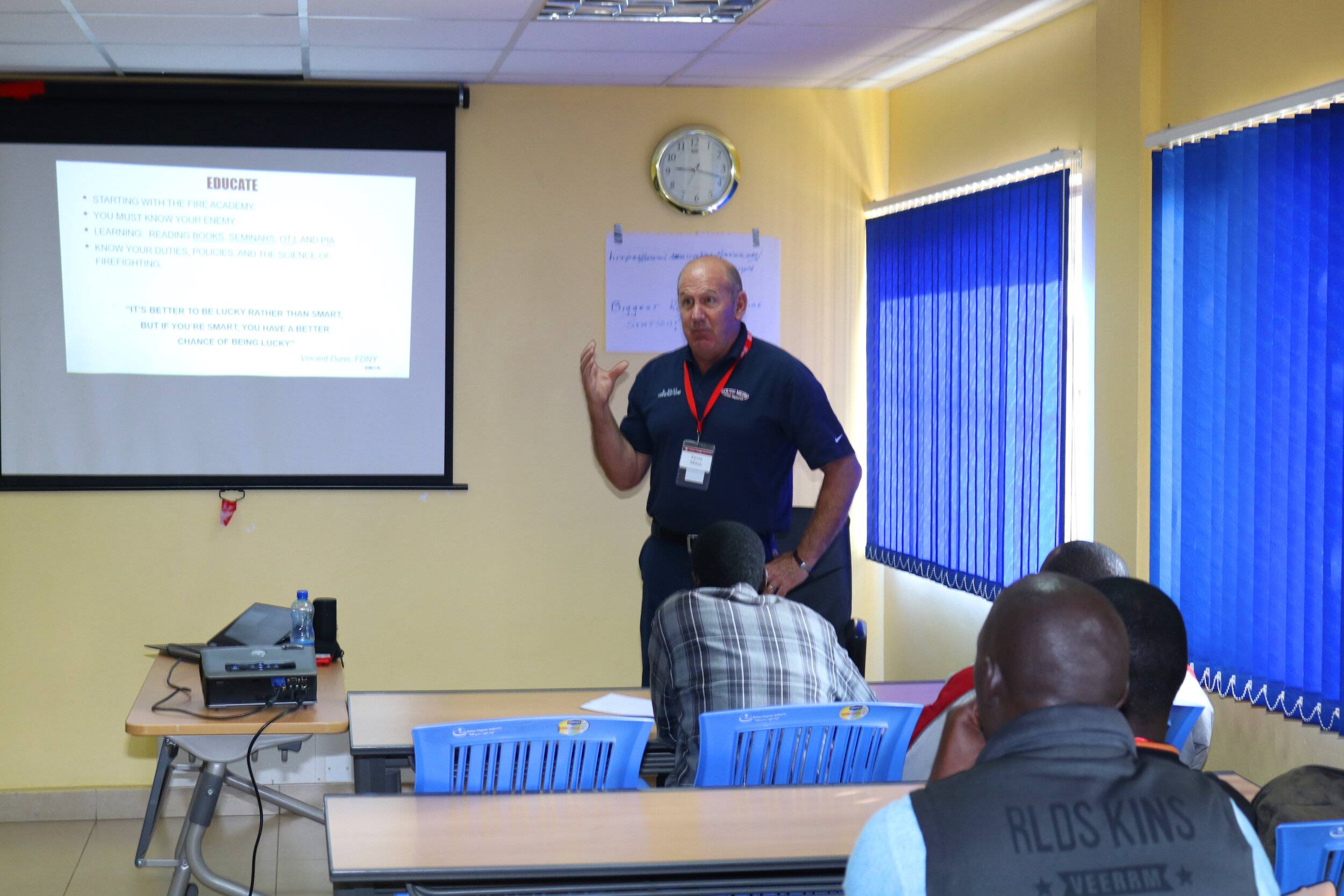
The lessons learned as an Africa Fire Mission instructor are many. Arguably, I learned much more from the Kenyan fire chiefs attending leadership training in November of 2019 than they possibly could have learned from me. I also learned a great deal teaching alongside Chief Hank Clemmensen who essentially wrote the book on emergency service leadership. What I didn’t realize while immersed in the Kenyan experience was the lessons learned were preparing me to deal with the COVID-19 virus as a leader in my fire department. Establishing common goals, aligning vison, and increasing respect are lessons from a leadership ‘game’ in Kenya that applied directly to managing our pandemic response. 

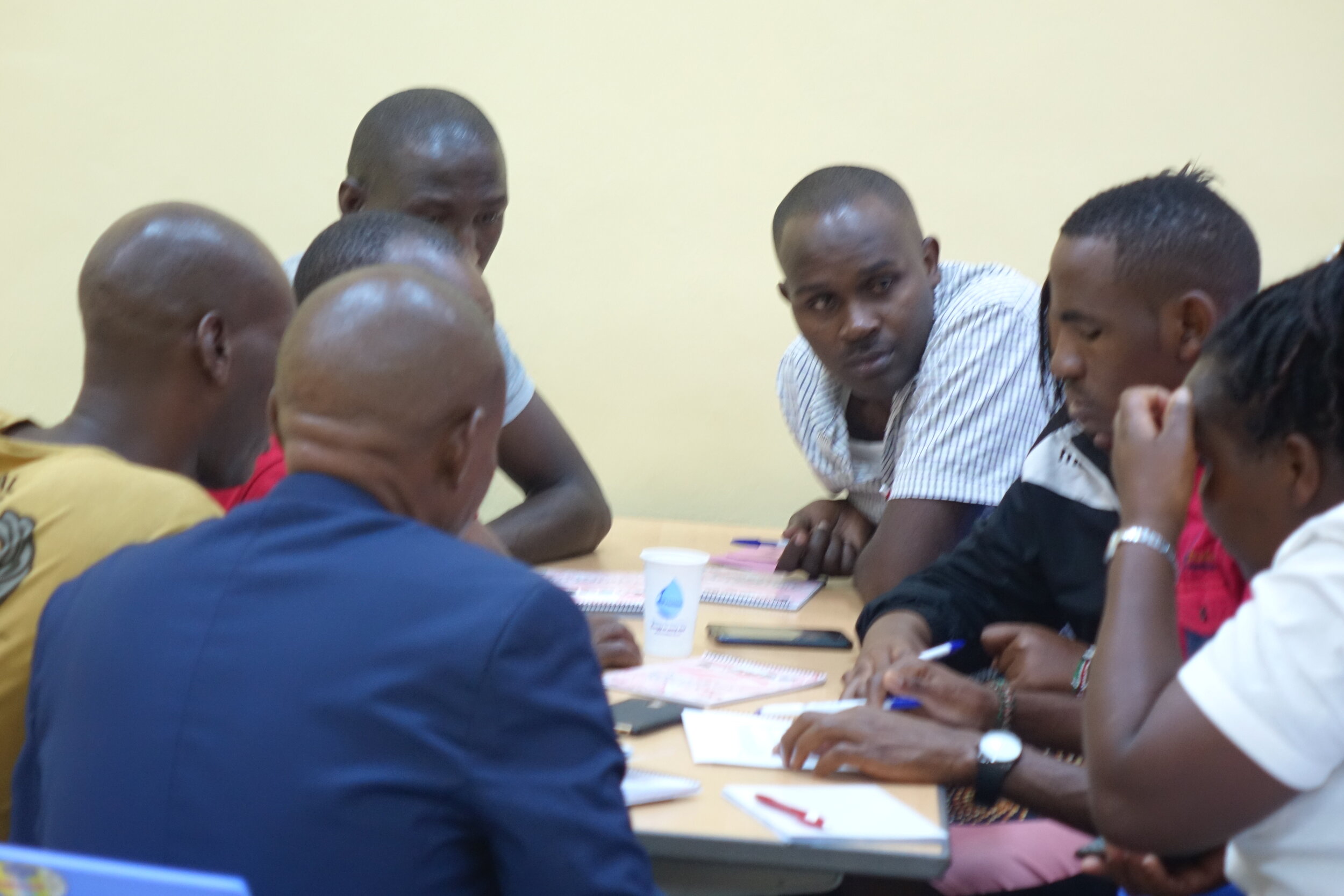
Through a leadership exercise Hank lead, the Kenyan Fire Chiefs tried to Win All You Can. Small groups worked together to choose options and negotiate with other teams to maximize their returns. The short-term gains and losses in the first rounds showed the Chiefs they could anticipate, but not guarantee success by looking out for their own best interest. One simple change of heart or decision by an individual dramatically altered the ‘plan’ and often ended in disaster for several groups. The final round brought the realization that only through cooperation and collaboration can everyone benefit. An attitude of winning collectively paid far greater benefits than winning for your team. 
Fast forward 90 days from Kenya, and I attended the first planning meeting for my agency’s response to COVID in the United States. The Win All You Can game was replaying before my eyes. The attitude in the meeting was we had to win; win N-95 masks, gowns, personal protective equipment, even toilet paper. The group schemed ways to end run systems, triple order, and even considered paying 800% mark ups for hard to get resources. The short-term losses and disappointments showed us very quickly that winning as a department was not going to benefit the collective response to the pandemic.  

I was able to share the lessons I learned in Kenya in a non-threatening manner. I explained how the Kenyan Chiefs learned to work together for the common good. We even ran an abbreviated version of Win All You Can with our incident support team. This ultimately led us to looking across disciplines, industries, and borders to take care of all responders.  

We were able to share the supplies we had in excess and accept alternatives proven out in private industry. We shared our strategies with hospitals and came to a common understanding: We are all in this together. This collaborative attitude with goals, vision, and respect is a recipe for success. I am forever in debt to my Kenyan sisters and brothers for teaching me a lesson of a lifetime. Thank you, AFM, for all you do – you are making a difference every day.   
Improving Water Supply for the Fire Service in Africa

Edward Collet, Jackson Township Fire Department Firefighter/EMT, Ohio; Ohio Fire Chiefs Association Water Supply Technical Advisory Committee Co-Chair

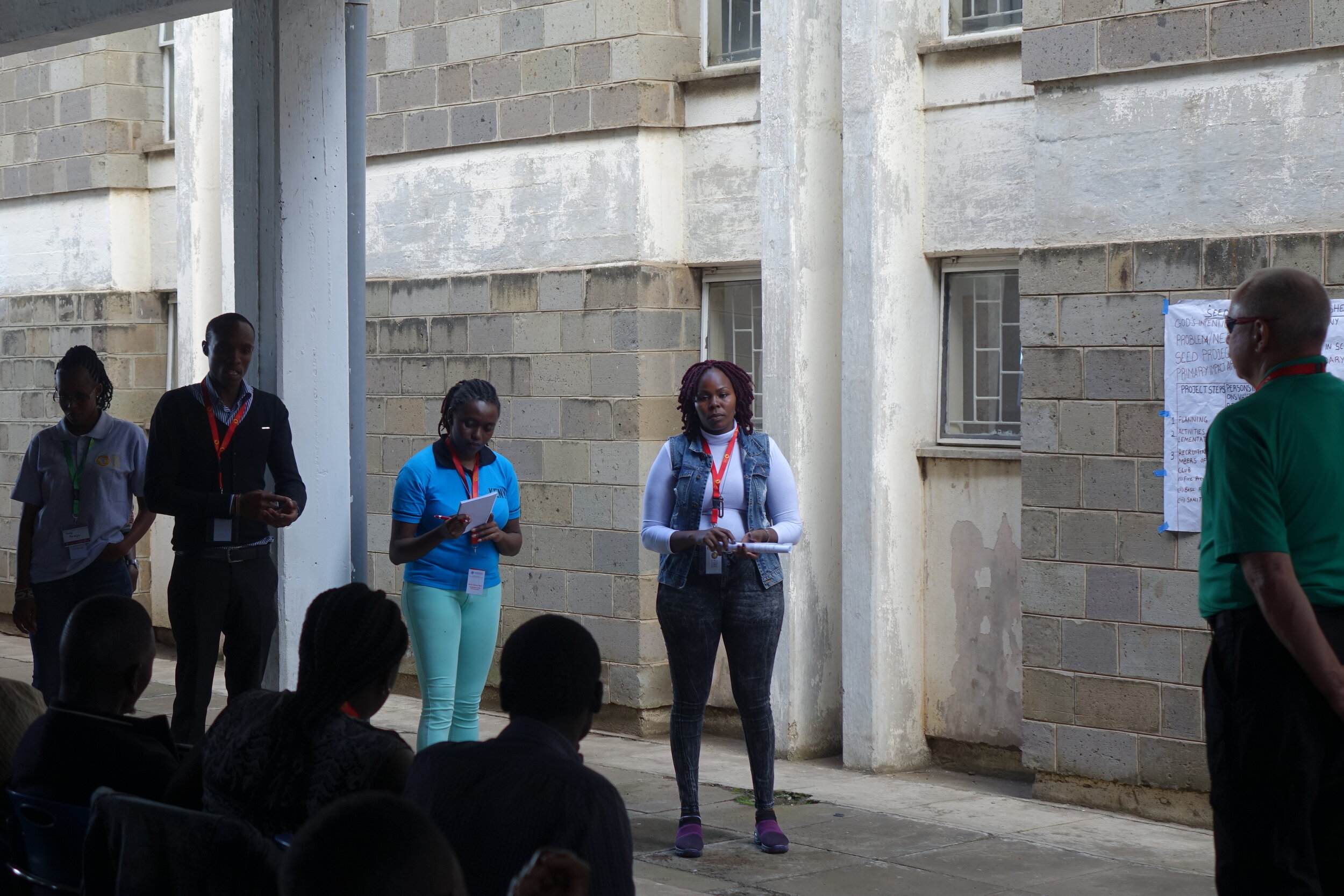
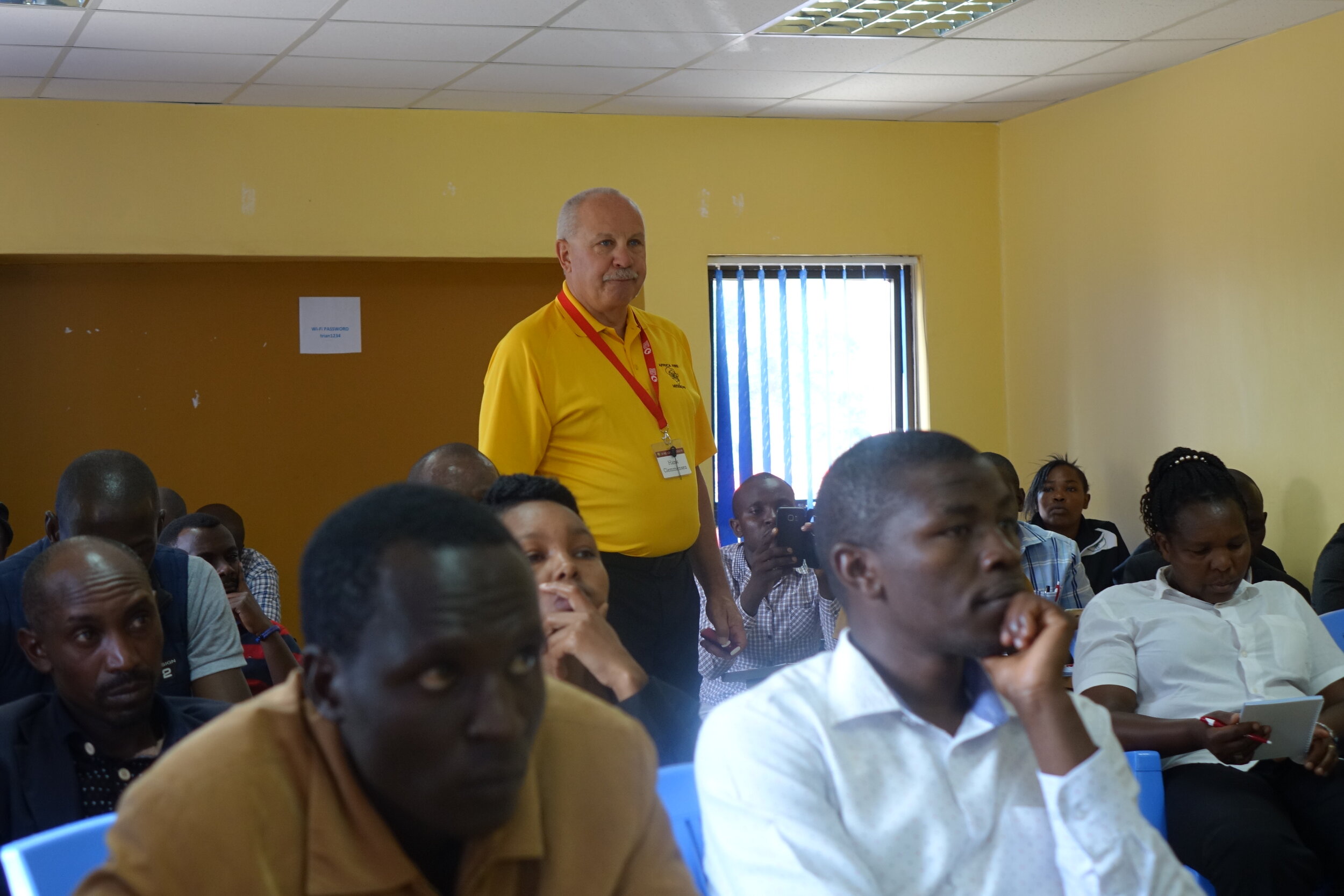
I spent a week in November 2019 as part of the Africa Fire Mission’s training cadre teaching at the 2019 Kenya Fire and EMS Symposium.  Brian Burkhardt from Greenville, Indiana Fire Department and I taught water supply and pump operations.  Wow, what an experience!  It definitely made me appreciate all we have available to us both as firefighters and in everyday life.  Unfortunately, the fire service in Kenya does not have the level of respect and support from the community we enjoy.  People will throw rocks and cut lines when they feel the fire department takes too long to respond or runs out of water.  But the firefighters I met are not deterred by this.  Just like us, in the United States, the job is a calling to serve the community.   This was a driving force for the level of participation at the training symposium put on by Africa Fire Mission and its local partners.  There were over 300 participants for fire and EMS classes and roughly 30 in the pump operations and water supply class wanting to learn how to better service their communities.  It was an awesome week of training and learning for the students and the instructors. 

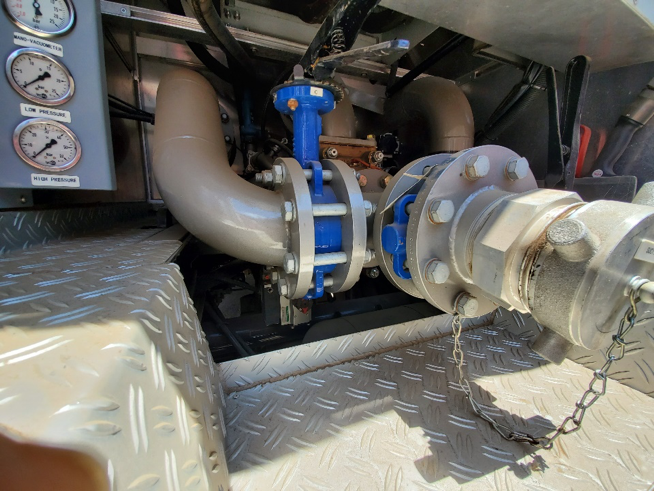
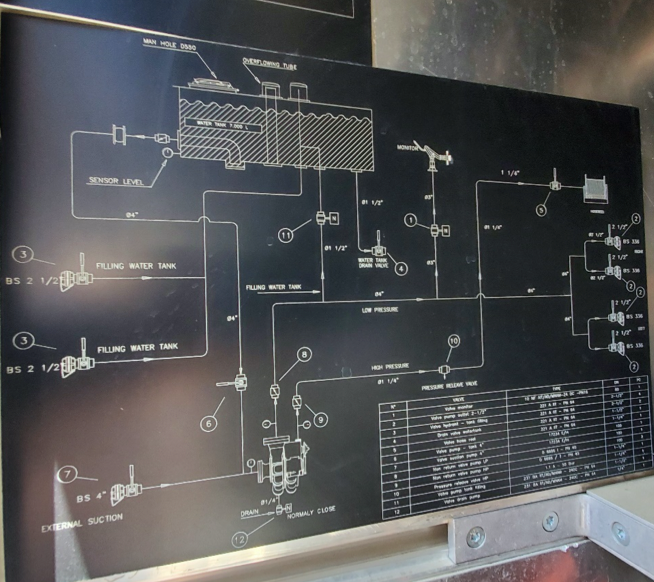
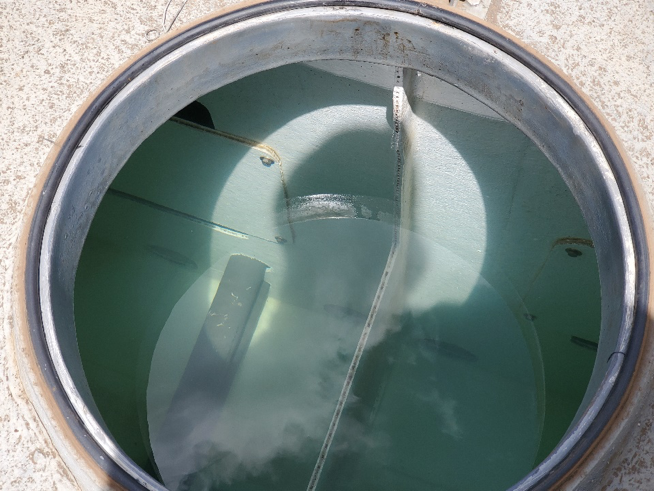
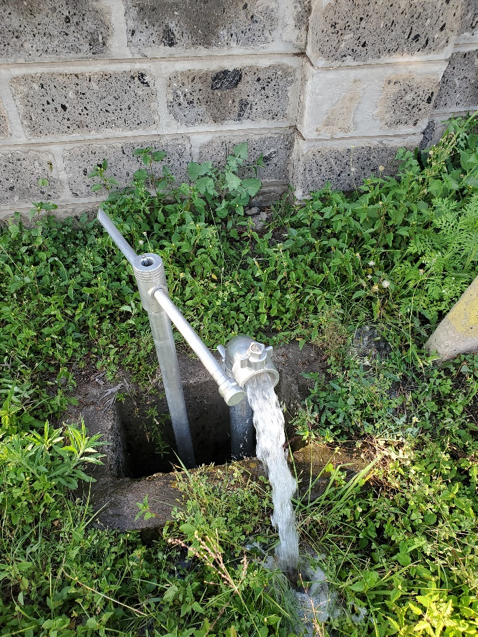
The Kenyan firefighters were eager to learn how water supply is managed in the US.   Few departments have hydrants and rely on wells and storage tanks for water.  They are very reluctant to use lakes and rivers as water sources to avoid contaminating the tanks on the fire apparatus.  Many students were drinking from the tanks, so this probably a reason they only want to use clean water.   Tanks on engines are normally 3000 liters, about 800 gallons, and tenders carry 11,000 liters, 2,900 gallons.  Pumping operations are done mainly from the tank, fortunately the tank to pump plumbing is roughly 4” which allows full pump capacity to be supplied form the tank.  When the engine’s tank runs dry, tenders fill the attack engine’s tank through one of two direct tank fills.  Unfortunately, engines have larger pumps than tenders meaning the tenders were the limitation in flow.  Due to this difference in pump capacity, I broke the cardinal rule of offloading one tender at a time during our high flow scenario.  To keep the engine’s tank level over a quarter full while flowing roughly 750-1000gpm we had to fill the engine’s tank with two tenders at once.  This is not a tactic normally used in the US, but it worked well to maintain a high flow with these apparatus.   This emphasized a key concept of the class, know your apparatus, how to optimize what it can do to minimize the impact of things it cannot.

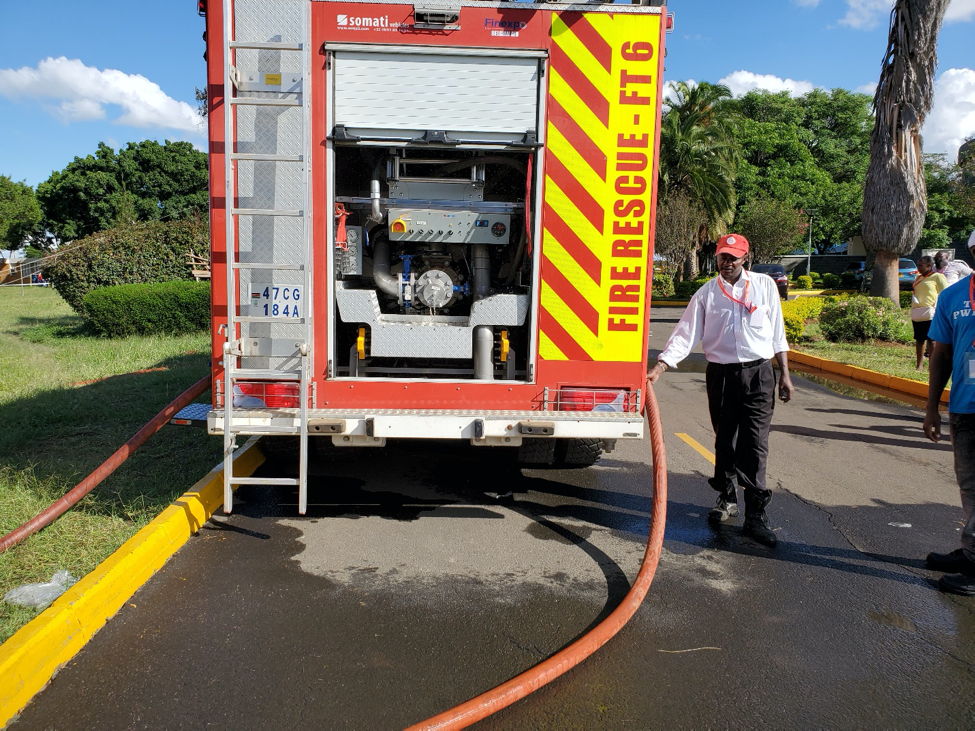
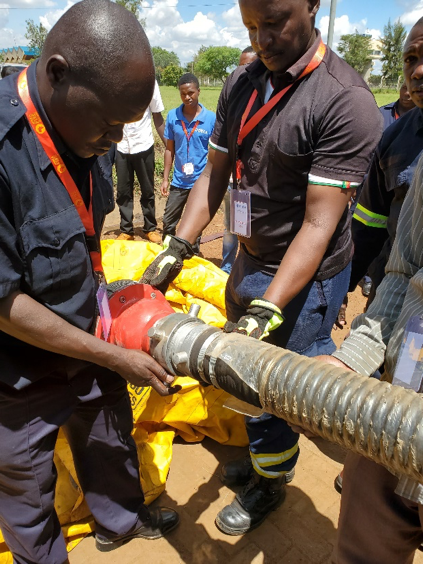
Relay pumping was something new to most students.  None of the apparatus at the training had an adapter to go from the large threaded pump inlet to the quick release style 65mm (2 ½”) supply line.  The students said their departments did not have these adapters.  Most apparatus do not carry any adapters since both 65mm and 35mm hose use the same 65mm couplings.  I was fortunate to find the proper adapter in the airport training facility.  The students were intrigued by relay pumping as it demonstrated the additive potential of centrifugal pumps.  While it is not a tactic they will normally use, it was a good learning experience.  Several students even said they were going to get the adapter for their fire brigade in the future. 

 We had access to a self-supporting dump tank for drafting practice.  This was the first time many students drafted from an external source.  Self-supporting tanks are not something I normally work with so there was a bit of a learning curve for everyone.  It would definitely be difficult to fill with a rapid dump chute like US tenders have.  The tank had a connection for a fill line at the bottom.  We used this connection to fill the tank using the tender’s pump.  This limited the flow rate to that of tender’s pump.  This tactic will suffer from the same issue caused by the difference in tender and engine pump capacity seen when nurse the engine.  Equipment configuration definitely requires rethinking tactics we tend to take for granted. 

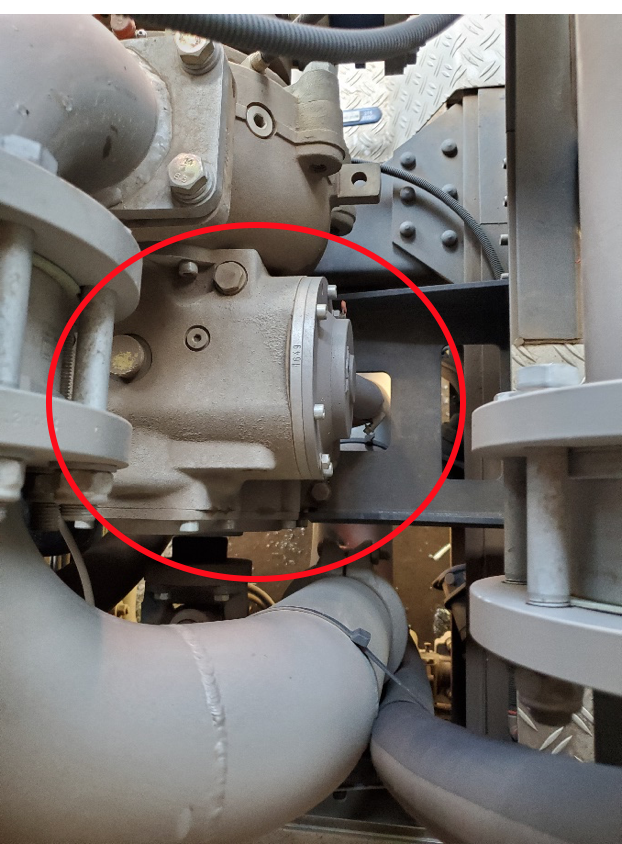
The closest thing to a low-level strainer available was a river strainer with a check valve.  These are made to hang vertically in a river or pond from a bridge.  Without a swivel it was difficult to keep the strainer upright.  Once it tipped over, it drew air if the water level was not over 12” high.  Without a means to support the suction hose it crushed down the side of the tank limiting the fill level. Priming the pumps was different from priming American style pumps.  These pumps have an automatic priming system using two diaphragm pumps connected to the fire pump.  The priming pumps engage when air entered the fire pump.  Since the operators had never drafted before, getting a prime was a learning experience for all.  Back filling the pump and suction hose from the tank, increasing RPMs, and feathering the tank to pump valve till the prime took ended up being the best method we found to get a prime.  

We integrated drafting, nursing, and relay pumping into one drill to allow students a better understanding of how all the elements of water supply fit together.  They learned a water supply evolution does not come together quickly.  But with teamwork they were able to put everything together very few issues.   

The students took a lot away from this class.  Many said they would use things they learned to improve the water supply for their fire brigade.  I am grateful for this opportunity to join Africa Fire Mission and to represent the Ohio Fire Chiefs Association Water Supply Technical Advisory Committee and pass knowledge of water supply to the firefighters of Kenya.  I learned and grew as a firefighter, instructor, and person from this experience.  It is hard to describe the impact of seeing students gravitate to a subject and start teaching others in the group.  The work AFM is doing in Kenya and other countries is having a positive impact on empowering firefighters to improve their ability to serve their communities. 

Drafting and relay evolution setup

Drafting and relay evolution setup

Thinking of Joining a AFM mission trip? Here's what you can expect

Submitted by: Lukas Watcher, volunteer firefighter, Ettenkirch, Friedrichshafen, Germany

What was your experience like?

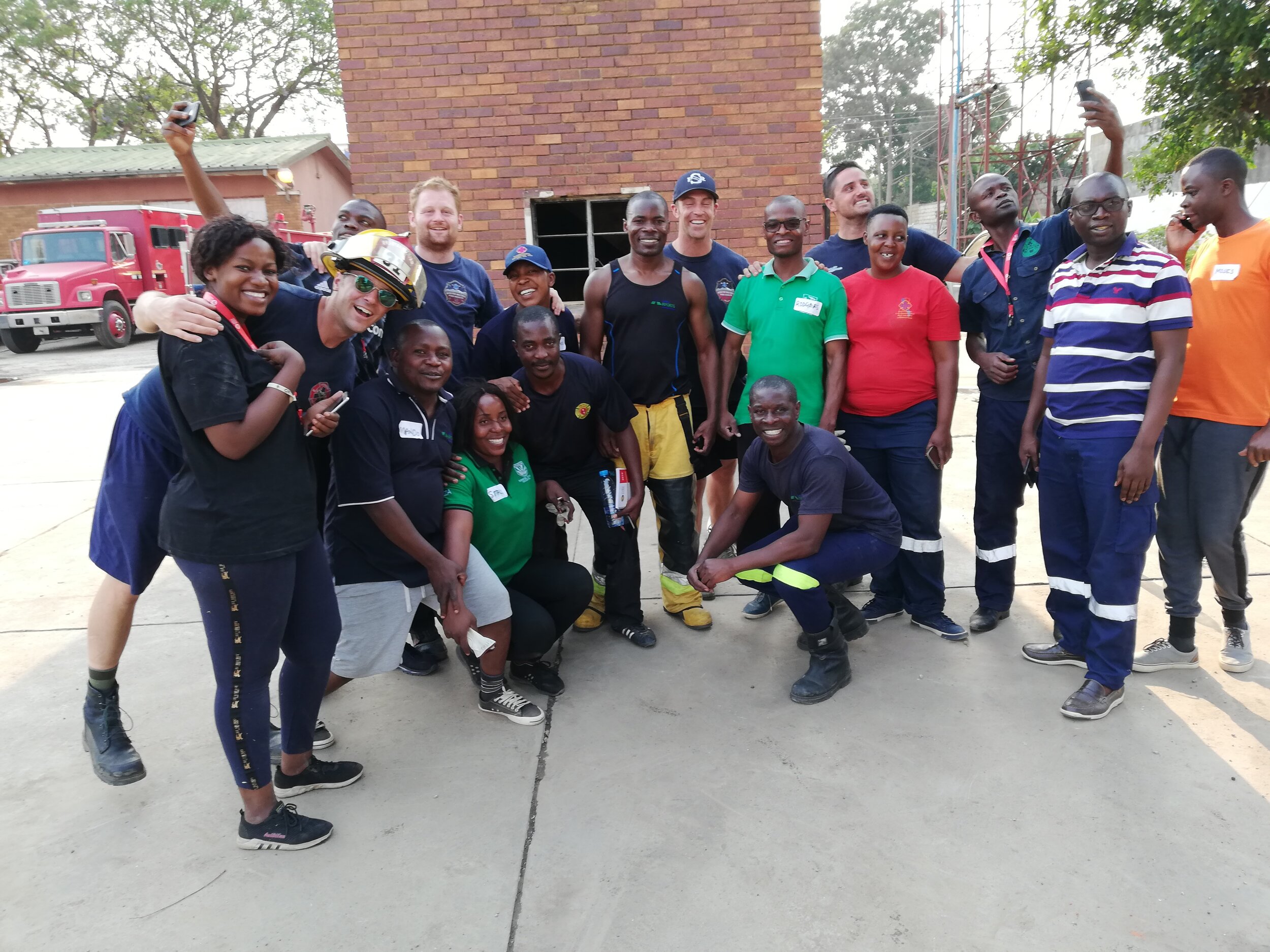
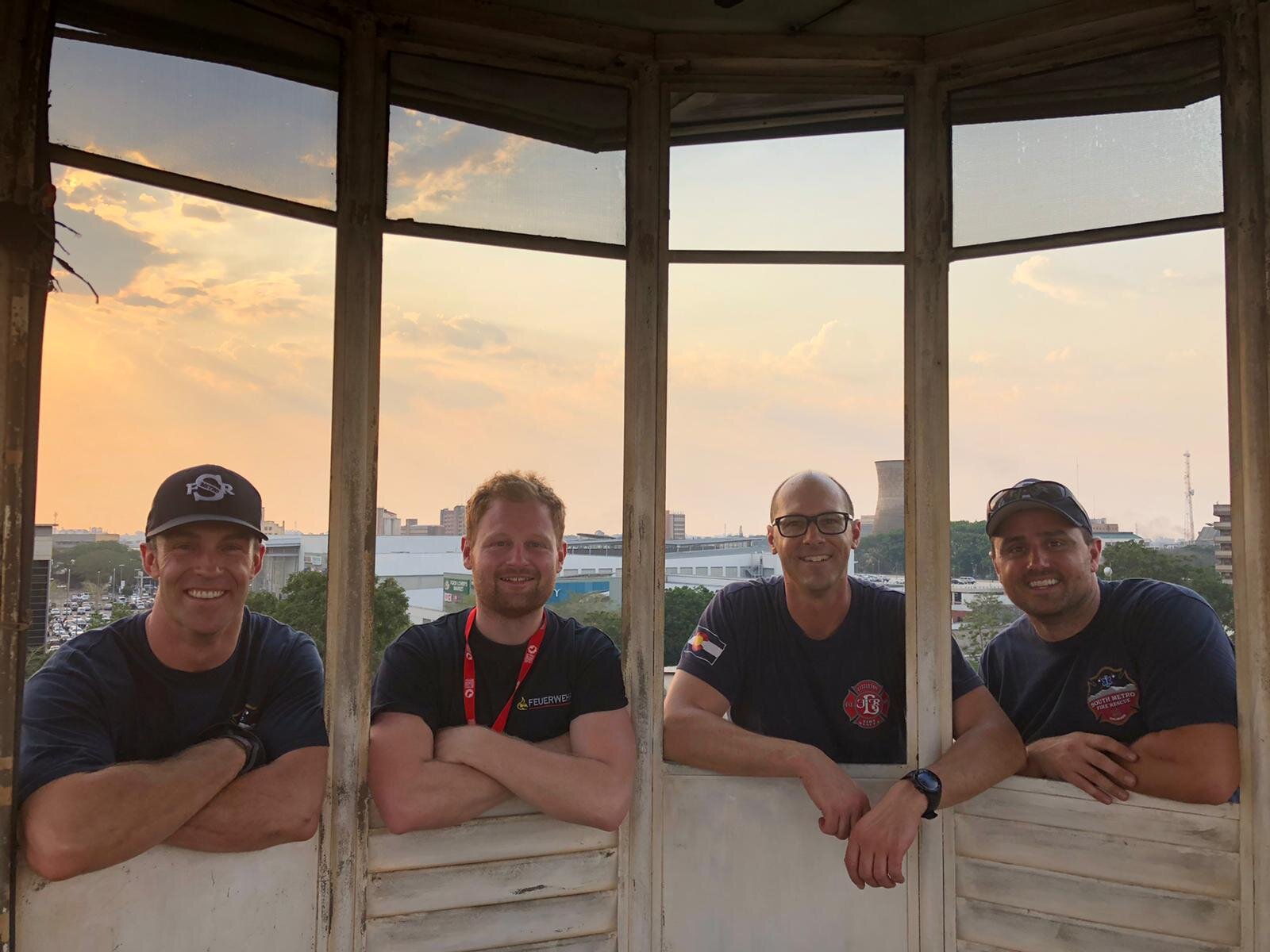
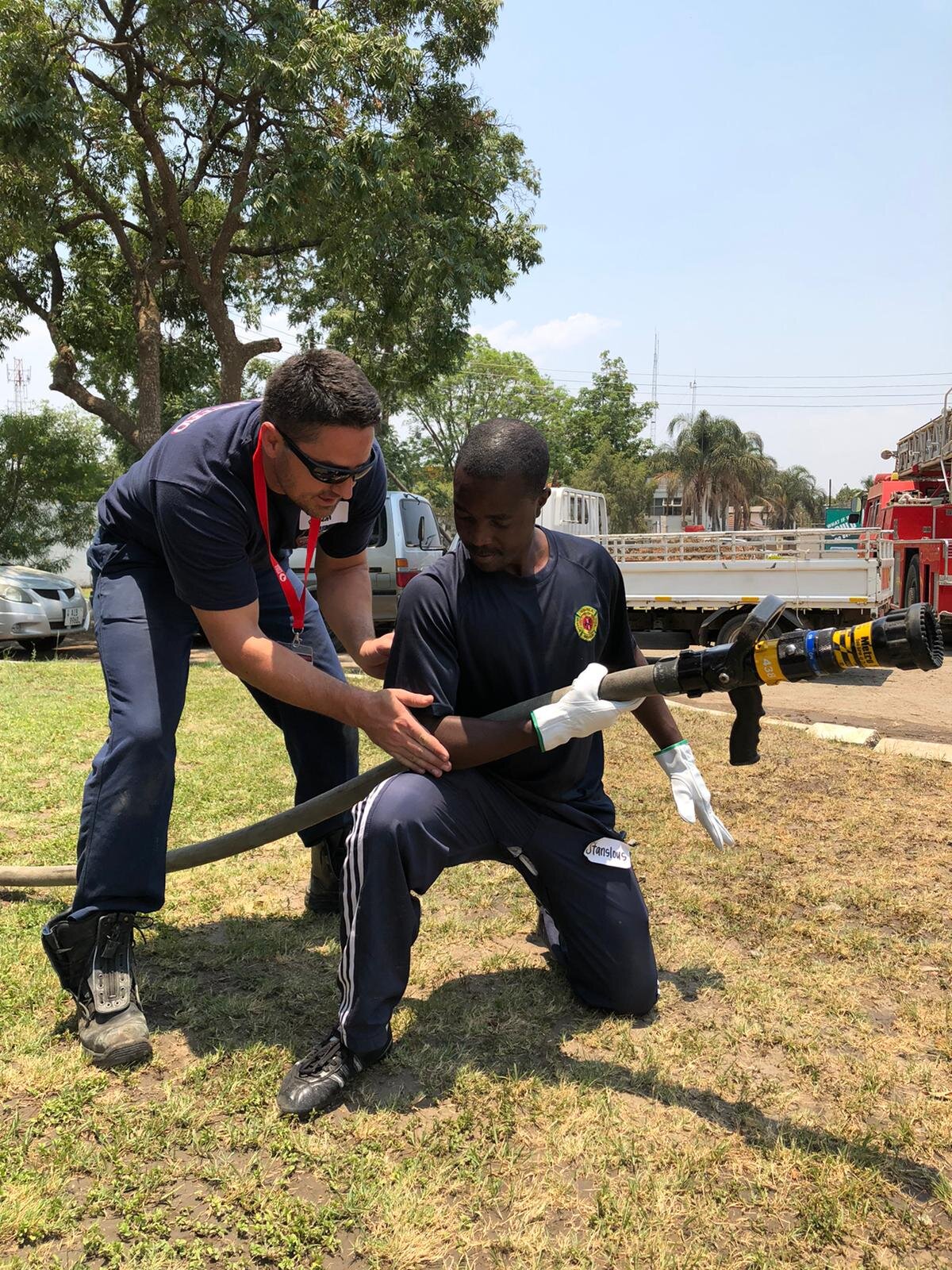
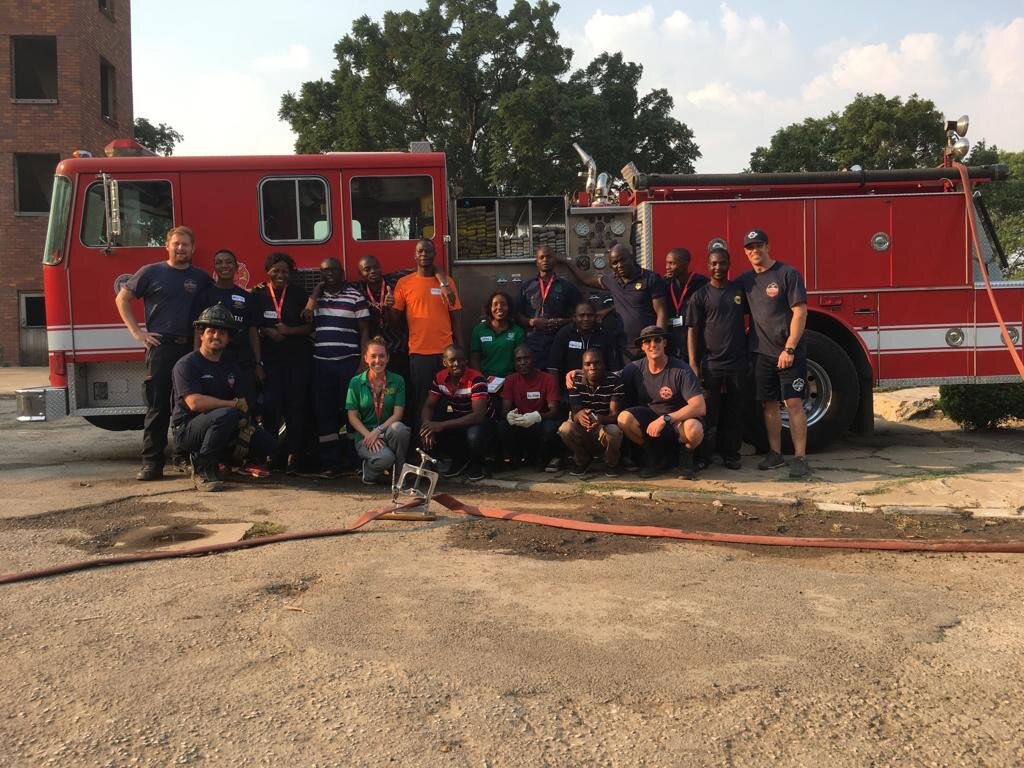
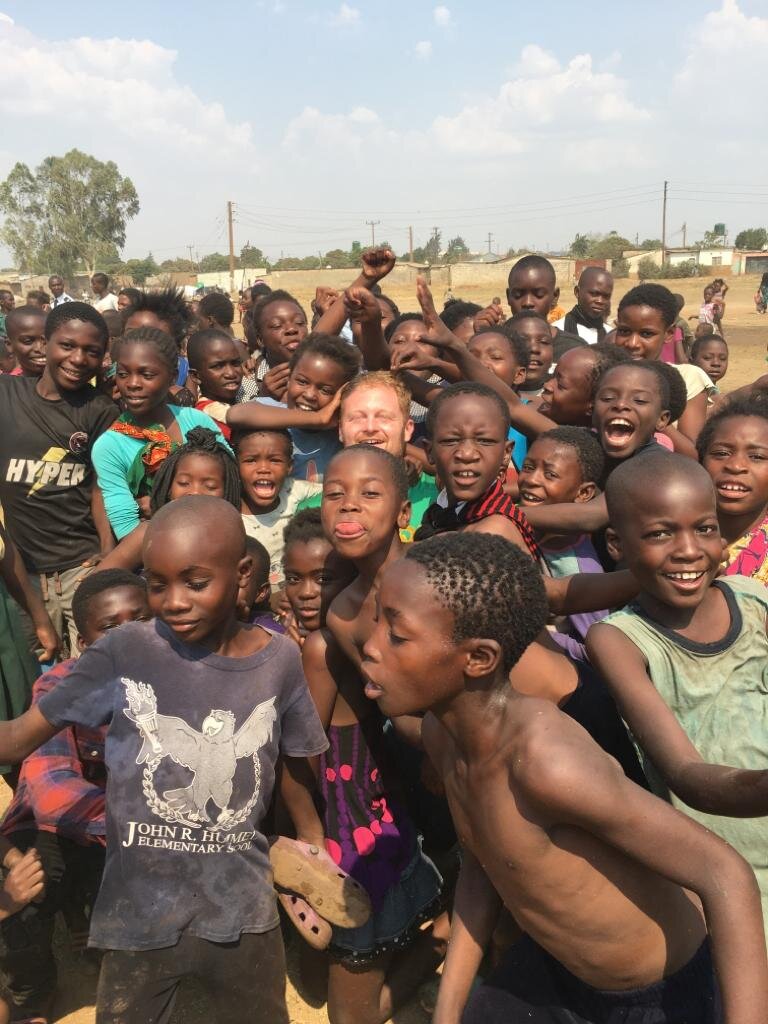
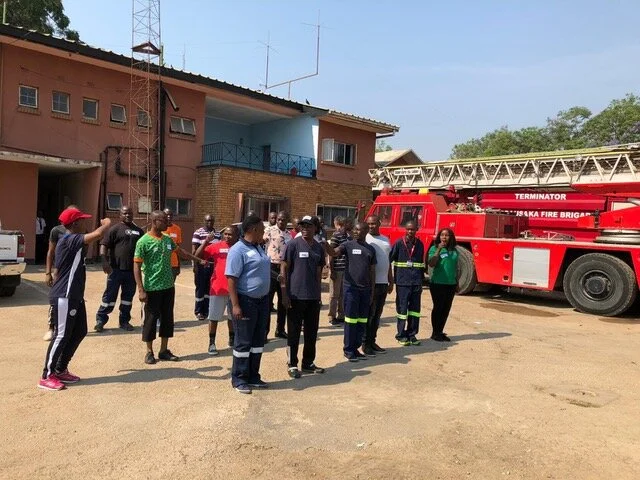
I joined  Africa Fire Mission at the end of October 2019 for a trip to Zambia and in hindsight I am happy to say that it was the expected opportunity to develop myself while I could to really meaningful work.  On the one hand there is a big lack of knowledge, good training and equipment which is sad to see but on the other hand there is a good thing, an important thing: There is motivation in the eyes of every Zambian firefighter we trained and there is a huge desire of improving in the fire service in Zambia. They need to be taught and most important they want to be taught – by us, by you! 

How did the trip impact you?

The trip had a huge impact on me because everyone of us believes to know about life in Africa and their needs, you can see that on TV whenever you want. But you don´t really KNOW when you haven´t been there. When I returned home I started to appreciate all these little things, like drinking water out of your water tap. I don´t want to say you need to go there to help, but you can support someone who does. I have been to different projects in Africa and I realized it is not done by donating money. You have to make sure that you know how the organization works. Africa Fire Mission is not just about supporting and raising funds which are afterwards wasted for non-sustainable goods. AFM is about training, empowering and encouraging. I am glad that I got the opportunity to experience how that works! 

What could others expect if they were to come on a AFM trip?

If you join an AFM trip you can expect a great time full of meaningful work, nice people and a new sight on fire service. You can improve while helping others to improve and you will be able to experience a very exemplary way of development aid. An AFM trip is a role model of encouraging, empowering, supporting and training and you will be hammered by the dedication and kindness of your team members – so was I! Somehow it is unique how people who are associated to the fire service work together – it is a big family and with AFM your on a family trip!   

Learn more about upcoming mission trips with AFM at: https://www.africafiremission.org/join-a-mission