

Firefighting is among the most physically and mentally demanding professions. Across Africa, firefighters routinely operate in extreme heat, resource constrained settings, and prolonged emergency conditions. In this context, nutrition should not be viewed as a personal lifestyle choice, but as a strategic component of operational readiness, safety, and workforce resilience.
Nutrition as a Performance Enabler
Firefighters depend on sustained strength, endurance, and mental clarity to perform critical tasks, including equipment handling, rescue operations, and rapid decision‑making under pressure. Diets that provide adequate energy, protein, and micronutrients are essential to maintaining physical capacity and reducing fatigue during long or repeated deployments.
Poor nutrition, by contrast, contributes to reduced stamina, slower reaction times, and impaired judgment factors that directly increase operational risk. Ensuring access to balanced meals is therefore a matter of performance management, not convenience.
Cognitive Readiness and Decision‑Making.
Emergency response environments demand precision, focus, and sound judgment. Nutritional deficiencies are known to affect concentration, mood stability, and stress tolerance. For firefighters working in high‑risk scenarios, even minor lapses in attention can have dire consequences.
Consistent access to nutrient‑dense foods supports cognitive function, helping firefighters remain alert, decisive, and emotionally regulated throughout extended operations.
Health Protection in High‑Exposure Environments
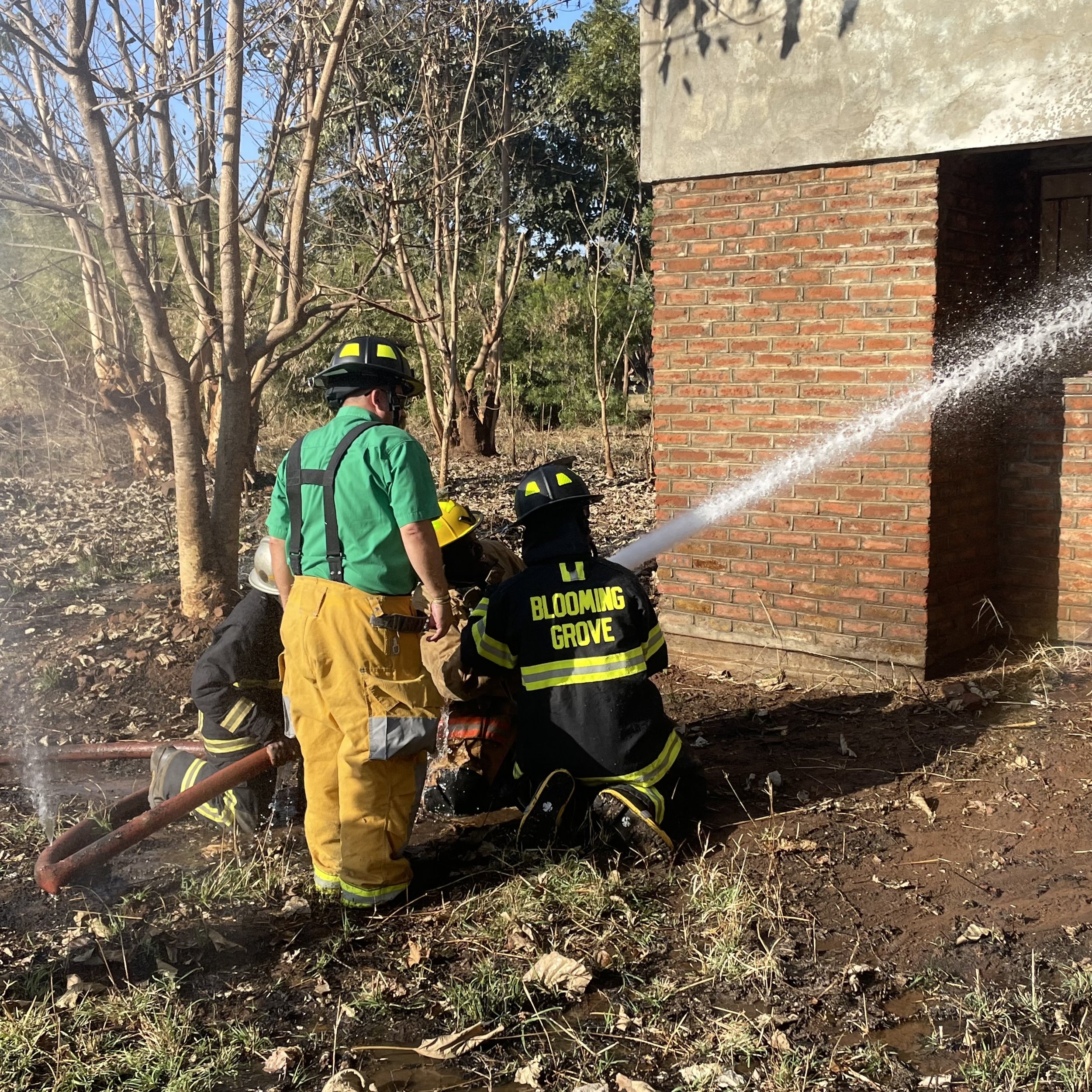
Firefighters are routinely exposed to smoke, toxins, extreme heat, and infectious agents. Nutrition plays a critical role in supporting immune function, reducing susceptibility to illness, and accelerating recovery after exposure.
Hydration and electrolyte balance are particularly vital in hot climates, where dehydration and heat stress pose ongoing threats to health and performance. Integrating hydration strategies into daily routines is a practical and cost‑effective risk‑reduction measure.
Long‑Term Workforce Sustainability
Beyond immediate operational demands, nutrition contributes to long‑term health outcomes. Balanced diets help manage body weight, support bone strength, and reduce the risk of chronic conditions such as hypertension and diabetes ailments that disproportionately affect emergency responders over time.
By prioritizing nutrition, fire services can reduce injury rates, improve career longevity, and limit the long‑term health costs associated with the profession.
Team Cohesion and Operational Safety
Well-nourished teams are safer and more effective. Fatigue‑related errors decline, coordination improves, and morale is strengthened. In many fire stations, shared meals also serve as a mechanism for reinforcing teamwork, communication, and mutual accountability critical elements during high‑pressure emergency responses.
Conclusion
Nutrition is one of the most underutilized yet impactful tools available to fire services. For African firefighters operating under demanding conditions, investing in balanced meals, hydration, and nutritional education is not a luxury, it is an operational necessity.
Fueling the frontline begins with recognizing that firefighter performance, safety, and resilience are inseparable from what fuels the body.

James Nyadwe is a Water Survival/Safety Expert and Trainer, Open Water Scuba Diver, and a Fire Advocate. James is passionate about sharing knowledge on safety issues on land and water that impact first responders. Additionally, James has served as an instructor for AFM’s virtual firefighter training.